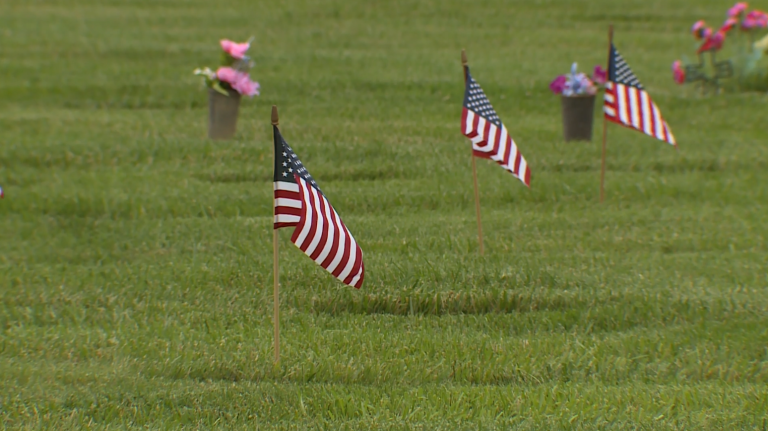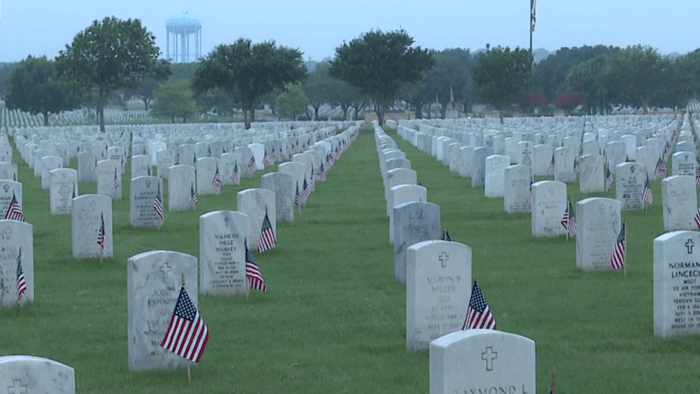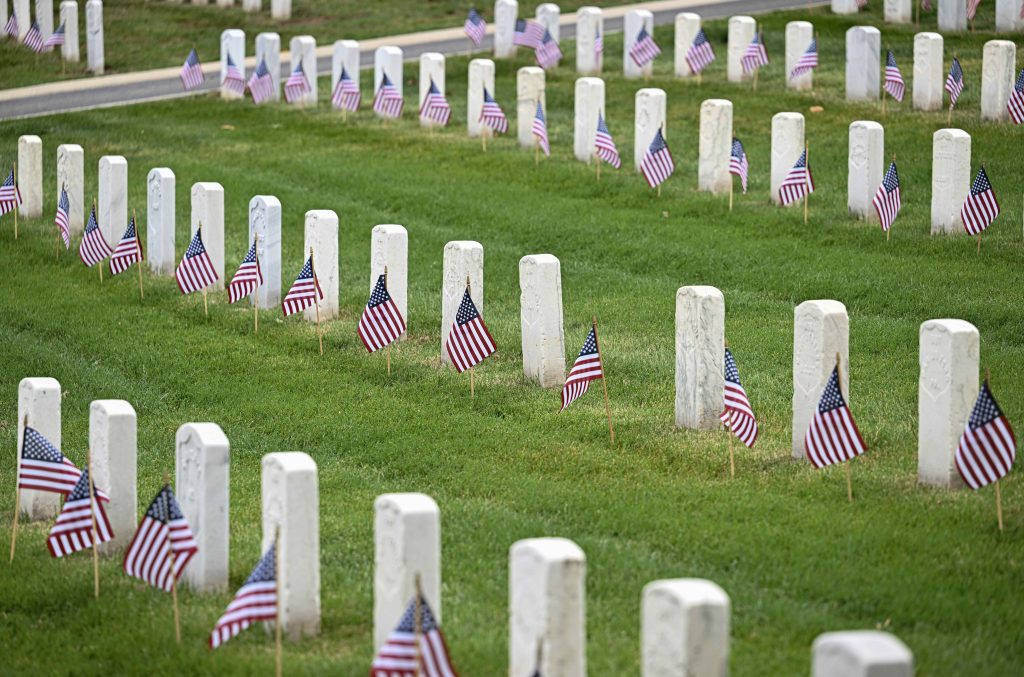
Memorial Day is a solemn U.S. holiday dedicated to honoring the brave men and women who sacrificed their lives while serving in the military. Observed on the last Monday of May, this year falling on May 25, it marks a time of reflection and remembrance for the nation’s fallen heroes. Traditionally, Americans are encouraged to pause for a National Moment of Remembrance at 3 p.m. to honor those who have served.
Origins and Historical Significance
The roots of Memorial Day trace back to the aftermath of the American Civil War, a conflict that claimed the lives of over 600,000 service members from both the Union and Confederate sides. Initially known as Decoration Day, the first national observance took place on May 30, 1868, when Union veterans called for the decoration of war graves with blooming flowers. This practice was already common in various communities, with Waterloo, New York, recognized as the holiday’s birthplace due to its formal observance beginning on May 5, 1866.
However, other claims to the holiday’s origins exist. Boalsburg, Pennsylvania, traces its first observance to October 1864, while women in Confederate states decorated graves even before the Civil War ended. Notably, on May 1, 1865, a significant event occurred in Charleston, South Carolina, where approximately 10,000 people, many of them Black, held a parade and dedicated the graves of Union soldiers who had died in a Confederate prison.
Evolution and Modern Observance
Over time, Memorial Day has evolved, reflecting changes in American society. By the late 19th century, concerns arose about the holiday losing its sacred nature, as noted by The New York Times in 1869. Abolitionist Frederick Douglass, in an 1871 speech, emphasized the importance of remembering the Civil War’s cause, particularly the fight against enslavement.
Despite these concerns, Memorial Day gradually became associated with leisure activities. The Indianapolis 500 held its inaugural race on May 30, 1911, without mention of the holiday, signaling a shift in public perception. In 1971, Congress officially moved Memorial Day to the last Monday in May, creating a three-day weekend that further transformed the holiday into a time for both remembrance and relaxation.
Today, Memorial Day is marked by ceremonies, parades, and family gatherings, often accompanied by sales and travel. While the holiday’s original purpose remains vital, its evolution reflects broader societal changes and the enduring importance of honoring those who served the nation.
Original reporting: NBC Connecticut — read the source article.