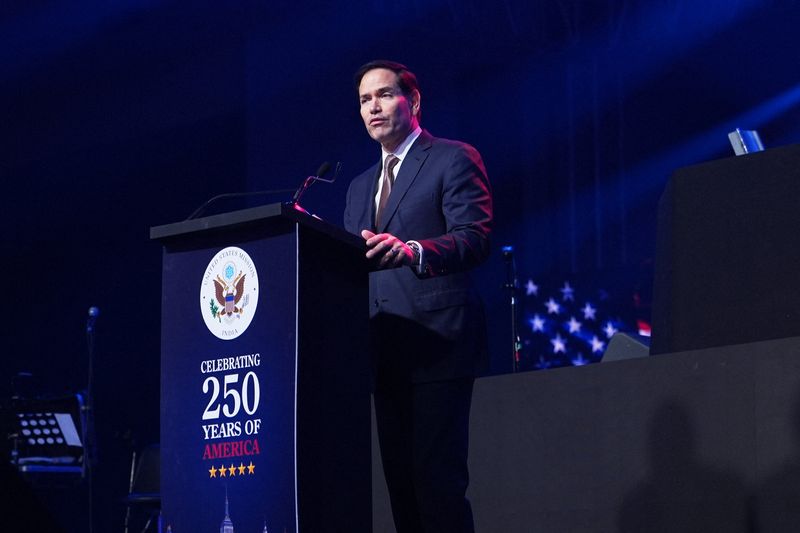
In a recent statement from New Delhi, Secretary of State Marco Rubio highlighted the United States’ commitment to pursuing a diplomatic resolution with Iran concerning its nuclear program. Rubio stressed the importance of reaching a ‘good agreement’ with Iran, while also acknowledging that other measures might be necessary if diplomacy does not yield the desired results.
Diplomacy as a Priority
Rubio assured reporters that the U.S. is giving diplomacy every opportunity to succeed. He mentioned that there is a substantial proposal on the table that involves Iran’s cooperation in opening the Strait of Hormuz and engaging in significant, time-limited negotiations regarding its nuclear activities. This approach aims to ensure regional stability and prevent the escalation of nuclear threats.
Rubio’s comments come at a time when tensions surrounding Iran’s nuclear ambitions have been a focal point of international concern. The U.S. government is keen on ensuring that any agreement with Iran effectively addresses these issues while maintaining peace and security in the region.
Alternatives Considered
While diplomacy remains the preferred path, Rubio did not rule out the possibility of exploring other options should negotiations fail to produce a satisfactory outcome. This stance reflects a broader strategy of balancing diplomatic efforts with preparedness for alternative actions, ensuring that the U.S. is equipped to handle various scenarios.
The ongoing discussions with Iran are critical not only for the U.S. but also for its allies and partners in the region. The outcome of these negotiations could have significant implications for international relations and global security.
Original reporting: Appleton, WI News Feed (HLL/CB) — read the source article.