President Donald Trump announced on Tuesday that his administration has ceased all direct negotiations with the Islamic Republic of Iran. In a social‑media post, he wrote, “There are no talks or conversations going on, or scheduled, with the Islamic Republic of Iran. The Naval Blockade remains in full force and effect.” The statement marked a clear shift from earlier claims that a new deal was near.
Change in diplomatic posture
According to a senior U.S. official, Trump instructed top envoys—including Vice President JD Vance, senior advisers Steve Witkoff and Jared Kushner—to stop engaging with Tehran. The move follows a period of “positive discussions” that did not meet Trump’s demands. Officials said the president wants to wait until Iranian leaders demonstrate a willingness to accept the terms he seeks before re‑engaging.
Blockade and Hormuz Strait focus
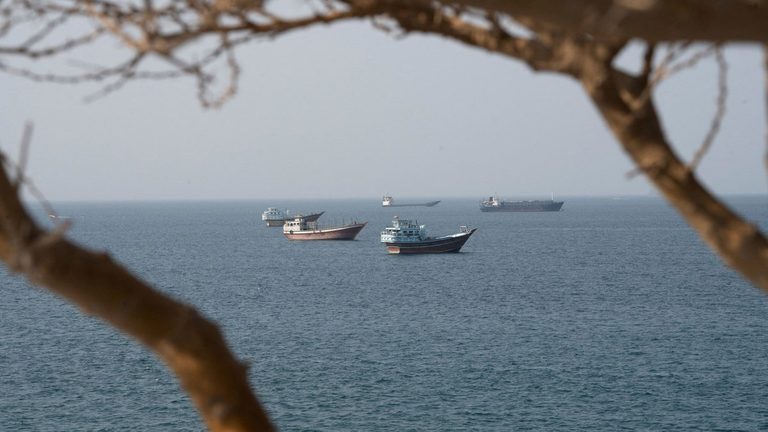
Trump reaffirmed that the naval blockade of Iranian ports remains in effect and that the Strait of Hormuz is open but operating at a reduced level. While traffic through the strait has dwindled, ships continue to face fire from Iranian projectiles. The administration opposes any proposal that would allow Iran or neighboring Oman to collect fees from vessels transiting the waterway, arguing that such arrangements would set a dangerous precedent.
Oman negotiations and regional concerns
Behind the scenes, Trump expressed frustration with Oman’s role in a proposed traffic‑management deal. He warned the Gulf nation that the United States could respond forcefully if Oman were to aid Iran’s control of the strait. Some White House officials worry that the pending agreement could increase Iranian influence over the vital waterway.
Economic pressure and potential sanctions
The White House signaled that new, “crushing” sanctions on Iran could be announced as early as this week. Defense Secretary Pete Hegseth confirmed that U.S. forces are prepared to enforce the blockade indefinitely. Trump’s strategy relies on sustained economic pressure to compel Iran to abandon its nuclear ambitions and to restore unrestricted traffic through the strait.
Military and political backdrop
The six‑month conflict has placed a strain on U.S. forces deployed in the region, including the USS Abraham Lincoln carrier strike group. While Republican lawmakers have urged an exit strategy, Trump has resisted calls for a rapid withdrawal, emphasizing that the United States must maintain a strong posture until Iran’s demands are met.
What’s next?
Trump’s latest directive underscores a hardening of U.S. policy toward Iran, moving away from the “hammer Iran ASAP” rhetoric to a longer‑term “strangle them” approach. The administration’s next steps will likely involve tightening sanctions, maintaining the naval blockade, and waiting for a clear signal from Tehran that it is ready to negotiate on terms acceptable to the United States.
Original reporting: KTVZ (Central Oregon) — read the source article.