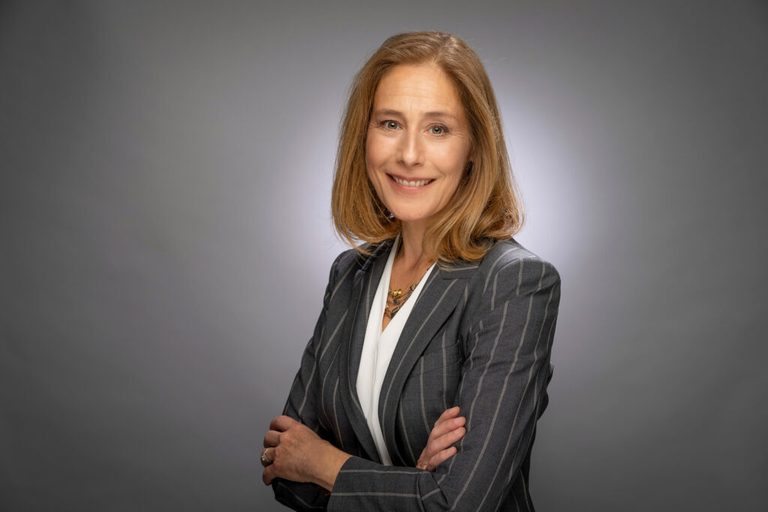
The University of Michigan Board of Regents confirmed Tuesday that C. Cybele Raver will become the institution’s 17th president, with her formal appointment slated for December 1. Raver, a seasoned academic administrator, arrives from Vanderbilt University where she served as provost and vice chancellor for academic affairs.
Raver’s academic and leadership background
Before joining Vanderbilt in 2021, Raver held faculty and research positions at New York University, the University of Chicago, and Cornell University, building a reputation in the social sciences. At Vanderbilt, she oversaw a period of rapid growth, helping the university surpass the $1 billion mark in annual research expenditures. She also recruited several new deans, expanded Vanderbilt’s footprint into New York and Florida, and launched the university’s first new college in four decades—a computing college.
Board and university reaction
Michael Behm, chair of the U‑M Board of Regents, praised Raver’s record, saying she “understands what it takes to lead a complex, world‑class university” and shares the board’s belief that Michigan must remain the nation’s top university. Current president Domenico Grasso will continue to lead the campus until Raver assumes office, and he expressed confidence that the transition will be smooth.
Raver’s selection follows a national search conducted by executive‑search firm Spencer Stuart. The board will hold a special meeting on Sept. 1 at 11 a.m. to cast a formal vote, after which she will take over leadership duties.
Context of leadership change
The appointment comes as the university navigates ongoing strategic initiatives, including research expansion, enrollment management, and the development of new academic programs. Raver’s experience with multi‑state expansion and interdisciplinary college creation aligns with Michigan’s goals to broaden its academic reach and strengthen its research portfolio.
Former president Santa Ono, who left Michigan in 2025 to become president of the University of Florida, faced a contentious confirmation process in Florida after Republican opposition, highlighting the increasingly political nature of university leadership appointments.
What’s next for Michigan
With Raver’s arrival, the university anticipates continued investment in research infrastructure, increased collaboration with industry partners, and a focus on student success across its 30‑plus schools and colleges. Stakeholders, including faculty, alumni, and the broader Michigan community, will watch closely as the new president implements her vision for the next chapter of the university’s storied history.
Original reporting: Warren | FOX 2 Detroit — read the source article.