The Pentagon announced Monday that thirty American universities must complete audits of their financial and research relationships with foreign entities by Aug. 31. The audits are intended to identify any exposure of “sensitive or export‑controlled research” and to ensure compliance with national‑security protocols.
Who is affected
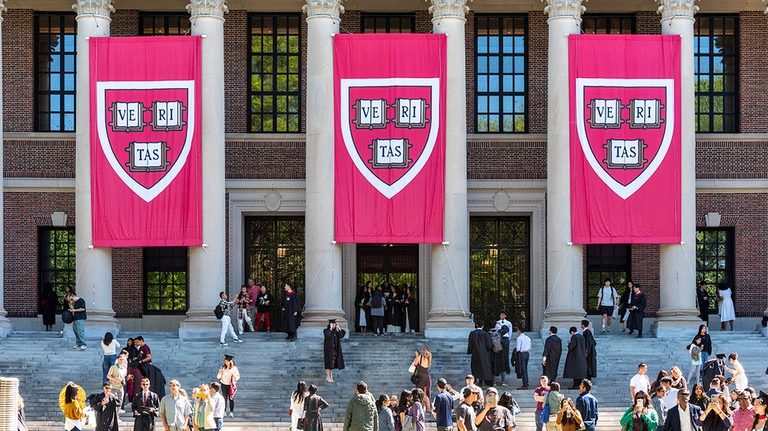
The schools named in the directive include major research institutions such as Harvard University, New York University, the Massachusetts Institute of Technology, the University of California system (Berkeley, San Diego, Los Angeles), the University of Texas at Austin, and Johns Hopkins University. Smaller schools on the list include Oklahoma State University, Bryant University, Drake University, and Northeastern State University in Tahlequah, Oklahoma.
What the audit requires
Each university must review all identified foreign collaborations, assess whether any projects involve “sensitive or export‑controlled research,” and develop mitigation plans. If a partnership is deemed problematic, the institution may be required to terminate the relationship. Findings must be reported to the Department of War’s research office by the Aug. 31 deadline.
Official rationale
Emil Michael, the Under Secretary of War for Research and Engineering, said the department has “zero tolerance for academic partnerships that compromise our national security.” He added that universities receiving taxpayer funding must uphold the highest standards of research security.
Dr. Joseph Jewell, Assistant Secretary of War for Science and Technology, echoed the sentiment, noting that universities are critical partners in Department of War research programs and that protecting those investments from foreign exploitation is essential.
Background on foreign‑entity concerns
The audits target entities identified under Section 1286 of the Fiscal Year 2019 National Defense Authorization Act. The law flags academic and research institutions in China, Russia and Iran that engage in activities increasing the risk of U.S. government‑funded research being misappropriated.
A recent congressional report highlighted Harvard University’s extensive collaborations with Chinese institutions, noting more than 140 co‑authored publications and over $600 million in disclosed foreign gifts from China—the highest amount reported by any U.S. university.
Implications for higher education
Universities will need to balance open academic exchange with the Department of Defense’s security requirements. The audits could lead to the termination of some partnerships, especially those involving Confucius Institutes or other programs perceived as conduits for foreign influence.
Lawmakers have previously expressed concern about foreign‑funded research and the potential for Chinese Communist Party propaganda networks to operate on U.S. campuses. The current audit directive reinforces those concerns and signals a broader federal effort to safeguard research integrity.
Next steps
All thirty institutions have been asked to submit detailed reports to the War Department by the end of August. The Pentagon has indicated that failure to comply could result in the loss of federal research funding, a significant financial risk for many of the schools involved.
Original reporting: Fox News (HLL/CB) — read the source article.