This piece looks at how NFL teams weigh outside consensus boards versus their own internal evaluations, featuring voices like Jacksonville Jaguars general manager James Gladstone, San Francisco 49ers GM John Lynch, Baltimore Ravens GM Eric DeCosta, and Carolina Panthers analytics lead Eric Eager. It visits draft rooms and decisions in Jacksonville, San Francisco, Baltimore and Charlotte, and it touches on the role of models, relationships and risk when teams pick players like Nate Boerkircher, De’Zhaun Stribling, Kaelon Black and Adam Randall.
There’s a comfort in following a crowd that agrees on the same Top 300, and that comfort has real value when jobs and reputations are on the line. Follow the consensus and you get a defensive shield: if a pick flops at least you weren’t an outlier. But leaning exclusively on external boards risks blinding a front office to unique fits, intangibles or medical intel that scouts in the building see every day.
The Jaguars felt that pressure after taking Texas A&M tight end Nate Boerkircher with the 56th pick and other selections like Albert Regis and Emmanuel Pregnon that didn’t line up neatly with the public consensus. James Gladstone made it clear Jacksonville builds internal agreement around scheme and culture, saying, “I listen to what’s being said about players in a very real way. I care about it. I listen to those in this building, and the people that we invited into this building, and what their perspective is on these players.”
Gladstone continued with a long view of internal process: “We build consensus internally, and that is leveraged at every pick point. Our wisdom of the collective is how we phrase it, and it is what guides our decision-making. And I can tell you that when we get up on the clock, we’re looking at the draft board and we see on it our sentiment and Duval DNA, and those are the two north stars, so to speak, and that is a collective output.”
He defended the gap between internal boards and outside mock drafts by pointing out situational nuance: many public rankings don’t factor in scheme fit, medical detail or interviews. That’s a fair counter; outside evaluators can miss when a player was misused in college or when a team’s environment could unlock talent. Still, internal echo chambers can calcify into repeated mistakes if they ignore clear warning signs.
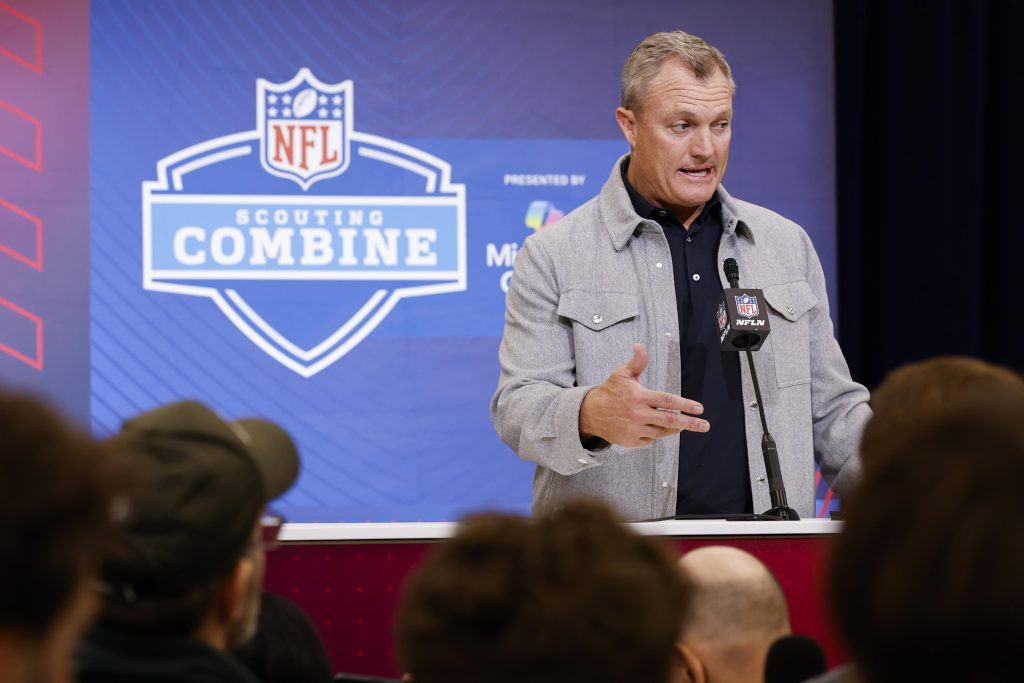
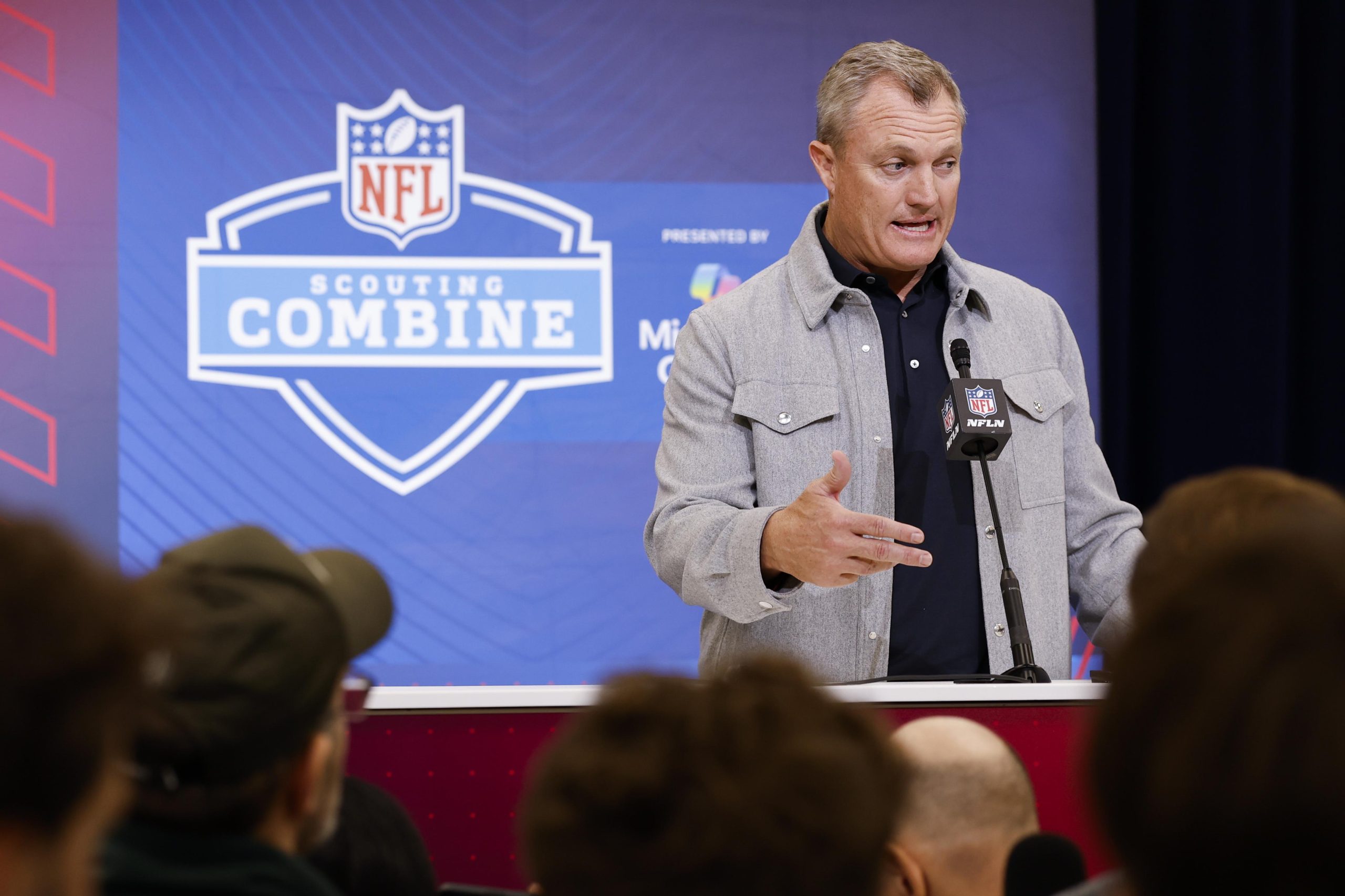
San Francisco has faced similar questions about approach and results under John Lynch and Kyle Shanahan, with a draft history that has yielded few standout picks in recent years. Lynch shrugged off outside critique bluntly: “We’ve got consensus in this building. That’s the consensus I care about.” The 49ers’ choice of Ole Miss receiver De’Zhaun Stribling at 33, a player the public had far lower on its board, shows a team willing to trade perceived value to avoid missing a target.
Stribling’s selection illustrates the tension between patience and panic. Shanahan explained the choice plainly: “You’ve got to decide whether you want to risk (leaving Stribling on the board) or not. We’re not going to wait and watch him go at 38 and be pissed. Let’s just take that dude at 33 and live with it.” That kind of conviction is a double-edged sword: it can win you a coveted player or expose you when the hit rate falls.
#Jaguars GM James Gladstone on the consensus board debate:
“We build consensus internally, and that is leveraged at every pick point.”
He added that consensus doesn’t always align because they don’t take into account scheme or the situation a player is coming into.
(🎥… pic.twitter.com/ozxn85jWoZ
— Ari Meirov (@MySportsUpdate) April 28, 2026
The 49ers also surprised by taking Indiana running back Kaelon Black in the third despite low consensus ranks, and Shanahan admitted he’s often comfortable reaching: “Maybe it means he’s going in the sixth round. But then you evaluate him and you’re like, man, I think this is a third-round running back… By the time the draft came, we felt everyone’s looking at this guy as a fourth-round pick. If everyone’s looking at him as a fourth-round pick and we want him, I’ll take him at 90 in the third.”
Baltimore provides a different example: the Ravens have built trust through steady drafting, so when Eric DeCosta diverges from public boards he tends to get the benefit of the doubt. DeCosta noted the rise of consensus boards as a relatively new phenomenon and the weird result: “I think over the last three years or so, more teams seem to be drafting the same as the Ravens. There seems to be an alignment in some ways of boards.” That alignment can eliminate easy bargains and make the draft a more crowded marketplace.
The Ravens largely tracked consensus with early picks, then made a few interesting swings like selecting Matthew Hibner and Adam Randall later. DeCosta even admitted owner Steve Bisciotti pushed for a pick, describing how the owner’s conviction and relationships influenced the selection of Randall. Even in those moments, Baltimore stayed close enough to its internal logic that the deviations didn’t feel reckless.
Then there’s the Carolina model, where analytics and scouting work together rather than fight. The Panthers let Eric Eager run models that literally simulated a million mock drafts to measure probabilities and guide trade decisions, and his collaboration with GM Dan Morgan is the reason the approach works. Eager said Morgan’s curiosity and evaluation chops force better questions and better models, which reduces panic and guesswork on Day 3.
When analytics are treated as another voice at the table instead of a separate religion, teams can build an internal consensus that’s informed by data and by people. That makes the external Top 300 less of a script to follow and more of a backdrop: noise you can filter once you trust your own work. As many teams learn, the trick is balancing boldness with humility so internal conviction doesn’t become stubbornness.