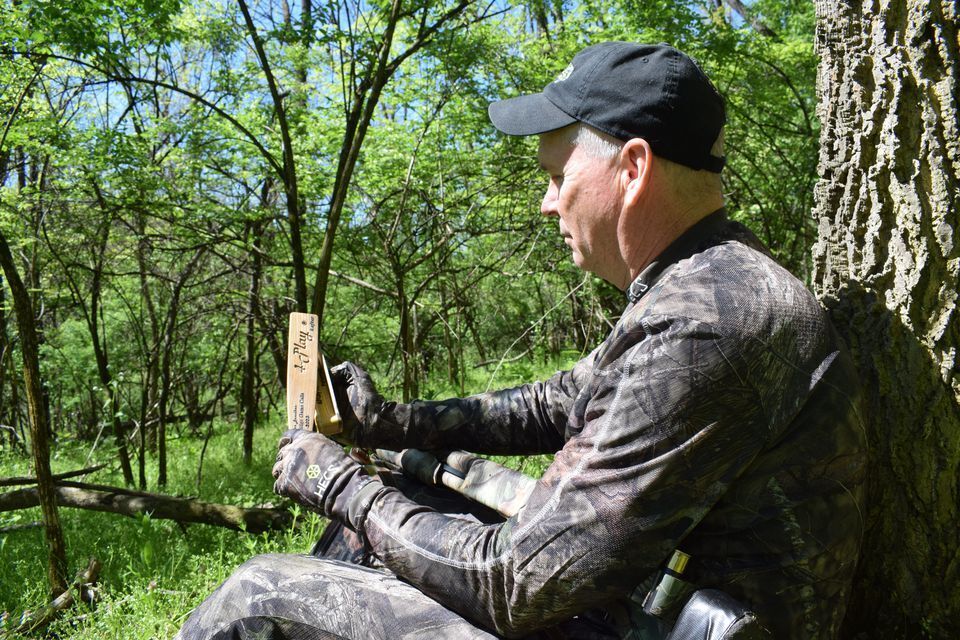
I spend spring mornings in the woods listening as the forest wakes — songbirds trading notes, leaf litter settling, and the sudden, booming gobble of a tom echoing across valleys and ridges. This piece follows those dawn moments, the patience and tradecraft in turkey hunting, and why those sounds matter in the field. You’ll read about the sensory details that shape a hunt, practical habits that help you move quietly, and the respect the birds demand when you’re trying to pattern a gobbler.
The first light is when the woods speak up, and songbirds often set the soundtrack before anything else. Their chatter clues you into wind direction, spaces where animals are active, and where the forest is still holding warmth. When a gobbler answers the morning, it cuts through that background noise and immediately focuses every sense you have on a point in the distance.
Hearing a gobble from the top of a ridge changes the hunt’s math: distance, slope, and where your calls will carry. Understanding topography is huge — sound moves differently through hollows than across open fields, and a bird on a knoll sounds closer than it is. That’s why you map the ridgelines in your head and think about how echoes will fool you if you move without plan.
Movement is a lesson in restraint. Walk slowly, pause more than you think you need to, and keep your steps soft so the leaves don’t announce you. The easiest mistake is rushing toward a perceived sound; you end up bumping birds or pushing a gobbler into thick cover. Patience gets you into range; noise gets you a story about the one that got away.
Calling is not a magic trick; it’s part psychology and part timing. A soft yelp or purr can coax a curious tom if you match the rhythm of sounds he expects from hens and the woods. But overcalling or blasting the calls will teach him to ignore you — or worse, to run away — so listen first and then match the mood of the morning.
Scent and wind direction are as important as calls. Turkeys have a surprisingly good nose and will pick up human scent carried on a steady breeze long before you see them. Set up where the wind favors you, and move only when you can do it without broadcasting your position downwind of a strutting bird.
Scouting is a continuous, quiet checklist. Look for scratchings in the leaf litter, small patches where hens have fed, and droppings that show recent use. Those details tell a true story about where birds spend their daylight hours and where a tom will return after the morning serenade dies down.
There’s a wild respect that grows when you spend hours listening to a place. A gobbler’s gobble isn’t just a sound — it’s a behavior shaped by survival and dominance that you’re trying to read without interrupting. That mindset keeps you honest in the field: you’re a student more than a conqueror when you hunt by ear and footprint.
Gear matters, but the best investments are simple: quiet boots, a lightweight pack, and a reliable call you can trust with your eyes closed. Outfit the basics and spend the time learning the landscape and the birds instead of buying every gadget that promises a miracle. Time in the woods teaches you more than gear ever will.
When you get that gobbler to commit and see the bird materialize through the trees, everything else falls away — the planning, the wind checks, the silent hours. Those moments make you want to be back before dawn again, listening for the next chorus of songbirds and the echo that follows. You learn to respect the rhythm of mornings in the woods and to leave the place as quiet as you found it.