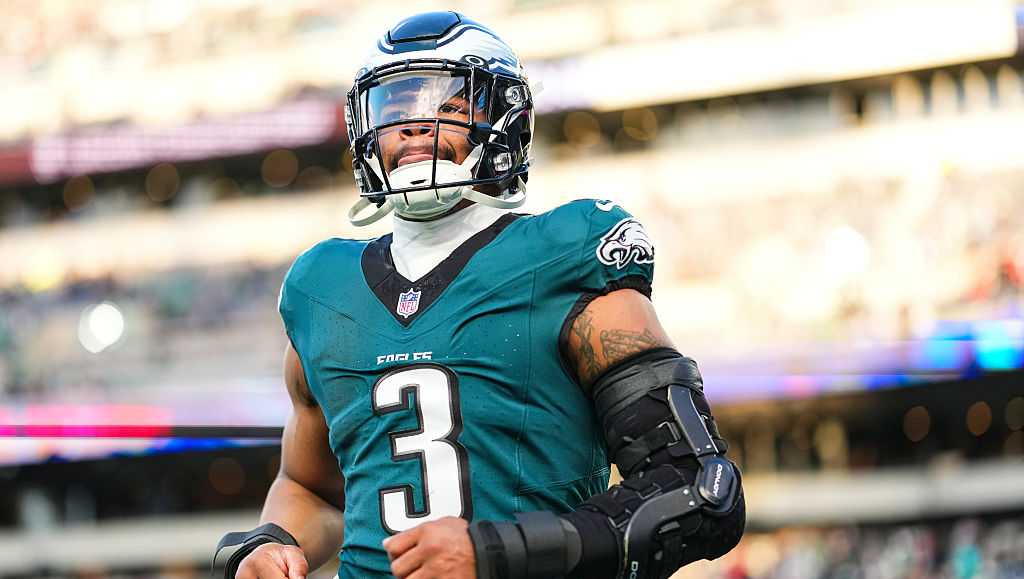
Nolan Smith Jr., a linebacker for the Philadelphia Eagles, was arrested in Georgia after an officer alleged he was driving 136 mph in a 70 mph zone. The arrest, which took place in Georgia, has already generated attention because of Smith’s profile with the Eagles and the extreme speed reported by officials. This piece lays out what happened, why it matters, and what could come next for the player and those around him.
The facts reported so far are straightforward: Nolan Smith Jr. was taken into custody in Georgia after an officer cited him for driving at an alleged 136 mph in a posted 70 mph area. Beyond the booking itself, details remain limited; official reports list the alleged speed and the location in Georgia but do not yet provide a narrative of events leading up to the stop. That lack of detail leaves room for questions about context, from whether traffic conditions played a role to what other factors may have been involved.
When a public figure like a professional athlete is involved in an arrest, the story rarely stays just about law enforcement paperwork. For Smith, the arrest intersects with his work as an Eagle and the expectations that come with being in the NFL spotlight. Teams and leagues pay attention not only for legal reasons but because off-field conduct can affect locker-room dynamics, public perception, and even sponsorships tied to a player’s image.
On the legal side, an arrest for driving at that speed raises obvious safety concerns. Law enforcement typically treats extreme speeding seriously because it increases the risk of severe collisions for the driver and anyone else on the road. While the immediate record notes the alleged speed, pending steps usually include arraignment, potential traffic court proceedings, and the chance for the defendant to challenge measurements or circumstances in court.
From the team’s perspective, responses vary depending on the situation and timing. Clubs often wait for official reports before issuing statements, balancing the presumption of innocence with public scrutiny and internal discipline policies. The Philadelphia Eagles, like other NFL organizations, have protocols for player conduct that can involve fines, counseling, or other measures depending on the outcome of any legal process and the team’s own review.
Public reaction plays its own role. Fans and media tend to amplify incidents involving high-profile athletes, turning a traffic stop into a weekend news cycle. Social media will push speculation, analysis, and opinion into the spotlight quickly, which can complicate the story for everyone involved. That’s why clear, factual updates from law enforcement and the team matter more than ever to keep misinformation from spreading.
There are practical consequences beyond the legal system, too. Insurance issues, potential travel restrictions, and personal reputational damage can follow an arrest like this. Even if charges are reduced or dismissed, the incident becomes part of a public record that can affect endorsements and community standing. For a young player trying to build a career, those ripple effects can be significant.
For now, the case is in its early stages with the central fact being Nolan Smith Jr.’s arrest in Georgia for allegedly driving 136 mph in a 70 mph zone. Observers will watch for court filings and any statements from the Eagles or Smith’s representatives, but until those appear it’s sensible to treat the reported speed as an allegation rather than a proven fact. The next steps will tell us whether this becomes a brief headline or a longer legal and professional challenge for the player.