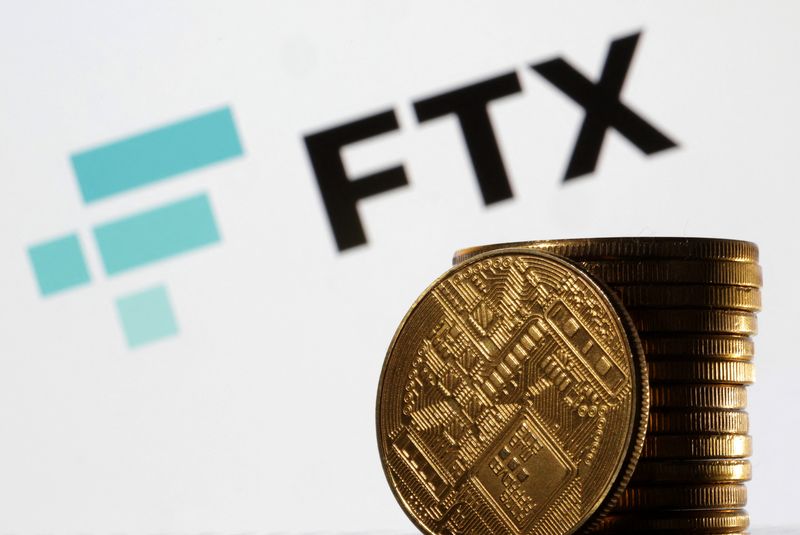
Fenwick & West agreed to pay $54 million to resolve claims tied to the collapse of FTX, with a preliminary settlement filed in federal court in Miami, Florida. The deal, which plaintiffs say addresses the firm’s role as outside counsel while FTX grew into a global crypto giant, was presented to the court as a way to avoid drawn-out litigation. Lead plaintiff attorneys, including David Boies, argued the settlement is reasonable, while Fenwick insisted it “was not aware of the fraud at FTX, stands by the integrity of its legal work, and disputes wrongdoing of any kind, as we have consistently stated throughout this matter.” The case sits alongside other agreements connected to the FTX fallout and comes after Sam Bankman-Fried received a lengthy prison sentence for his role in the collapse.
The settlement filing in Miami marks a major development in the continuing legal fallout from FTX’s 2022 implosion. Plaintiffs accuse Fenwick of helping craft strategies that, in their view, facilitated the fraud at the exchange. Fenwick was a prominent Silicon Valley law firm with a roster of tech clients and had acted as lead outside counsel as FTX expanded. The allegations focus on the firm’s legal advice and how it was applied as FTX grew into one of the industry’s biggest players.
Attorneys for FTX customers argued the Fenwick payment resolves a complicated set of claims that could otherwise drag on for years. David Boies and other lead counsel told the court the settlement spares victims and defendants the time and expense of protracted litigation. The plaintiffs’ lawyers emphasized that a clear, enforceable resolution now could speed distributions to harmed customers and reduce uncertainty tied to appellate fights and multifaceted discovery. Their motion asks the judge in Miami to sign off on the preliminary agreement and move the case toward final approval.
Fenwick responded publicly, reiterating its long-held position about the matter. The firm said it “was not aware of the fraud at FTX, stands by the integrity of its legal work, and disputes wrongdoing of any kind, as we have consistently stated throughout this matter.” That statement underscores Fenwick’s insistence it did not know about the fraud as it later unfolded and that it maintains the professionalism of its legal services. The firm also said it hopes to put the episode behind it and return focus to serving clients.
On that point Fenwick added, “we look forward to putting this matter behind us” and to concentrating on its broader practice. The firm employs more than 500 lawyers and has been well known for its work with technology companies. For a firm with Silicon Valley roots, the association with FTX’s failure was reputationally painful. The settlement seeks to close a chapter that included intense scrutiny from bankruptcy trustees, regulators, and private litigants alike.
The Fenwick deal arrives amid a second wave of settlements related to FTX’s collapse. Earlier accords resolved claims against two former FTX executives, and other defendants have reached separate deals with plaintiffs and trustees. Those parallel agreements suggest creditors and customers are pursuing pragmatic resolutions rather than counting on lengthy court victories. At the same time, some parties continue to contest responsibility and push for accountability in different corners of the sprawling litigation.
Sam Bankman-Fried’s criminal case remains a central piece of the larger story. Bankman-Fried was convicted and sentenced in 2024 to 25 years in prison after a jury concluded he orchestrated the theft of roughly $8 billion from customers. He pleaded not guilty and has appealed his conviction, a process that could take years and produce more legal fights and public attention. His prosecution set the tone for civil actions and recovery efforts tied to the exchange’s collapse.
Behind the headlines, complex legal and practical questions drove negotiations in Miami. Plaintiffs pushed to show that outside advisers exercised influence over corporate actions that contributed to losses. Defendants pushed back, arguing they lacked knowledge of the fraud and that their work was standard legal practice for a fast-growing client. Judges and mediators had to weigh the costs of proof against the value of certainty, deciding whether settlements like Fenwick’s serve victims and the public interest.
Names from the reporting thread appear across filings and public statements, including references to reporting by Mike Scarcella and editing credits listing Sergio Non and Kim Coghill. Regardless of credits and coverage, the central facts are stark: a major firm agreed to a seven-figure settlement, a Miami federal court must approve it, and the FTX saga keeps producing legal repercussions long after the exchange failed. Courts will now decide whether the preliminary deal becomes final and how it fits with other recovery efforts for FTX customers.