The Dallas Zoo teamed up with Momentous Institute in Dallas, Texas for Mental Health Awareness Month to teach kids easy, practical mental health habits through outdoor activities and playful prompts. The “Squeeze the Day” campaign places signs and short exercises around the zoo, and Momentous School students are regular visitors who test the techniques. This local push mixes animal observation, simple movement and breathing to help families build small, repeatable mental health routines.
Throughout the zoo, colorful signs invite visitors to pause, notice their surroundings and try brief activities that nudge attention back to the present. The idea is straightforward: make mental health practices feel reachable and even fun for children and their grown-ups. By placing prompts where families are already exploring, the program lowers the barrier to trying something new.
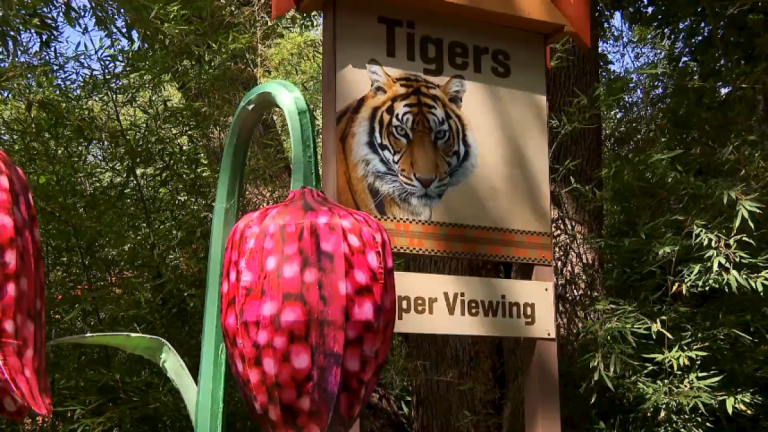
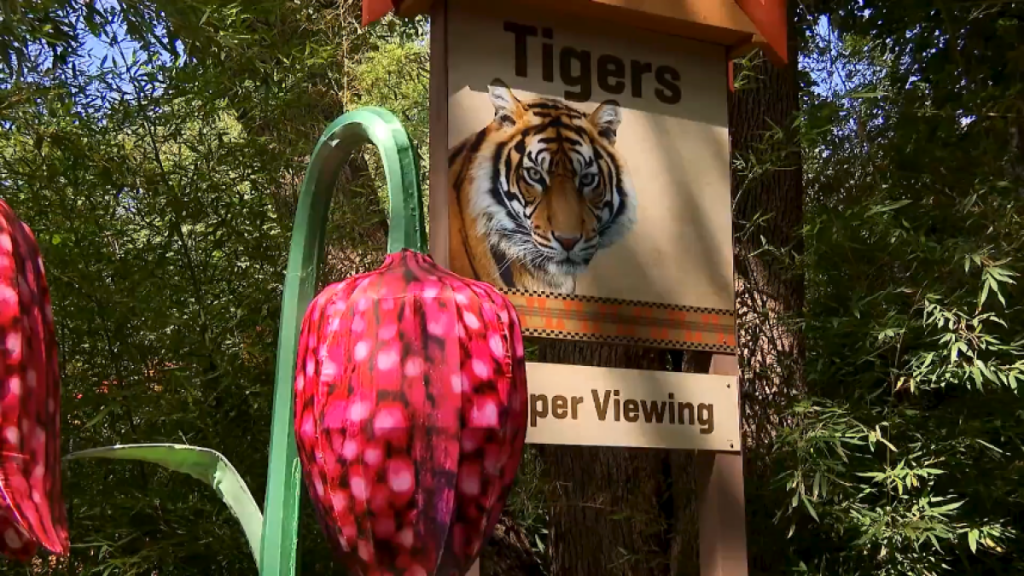
“You can learn a lot about animals by observing them at the Dallas Zoo,” the story narration explains, and those observations become springboards for mindfulness lessons tied to animals like flamingos and tigers. Kids are encouraged to watch how an animal moves or rests and then mirror a tiny action to bring their minds back. That gentle linking of curiosity about wildlife to self-care makes the concepts concrete instead of abstract.
One of the simplest exercises invites children to stand on one foot like a flamingo to sharpen their focus and balance. A student reads the instruction aloud as they try the move and then feel the shift in attention. “This activates your brain, which helps you focus,” a student reads from a sign during the exercise.
Kari Streiber, vice president of marketing and communications for the Dallas Zoo, described the signs as devices to slow visitors down and reconnect them with nature. “These signs are reminders throughout the zoo to just stop for a moment, either reset, reconnect, listen, look balance, do some different things to really engage the brain and connect with nature,” Streiber said. The placement is intentional: near exhibits, pathways and benches where a tiny pause can be embraced.
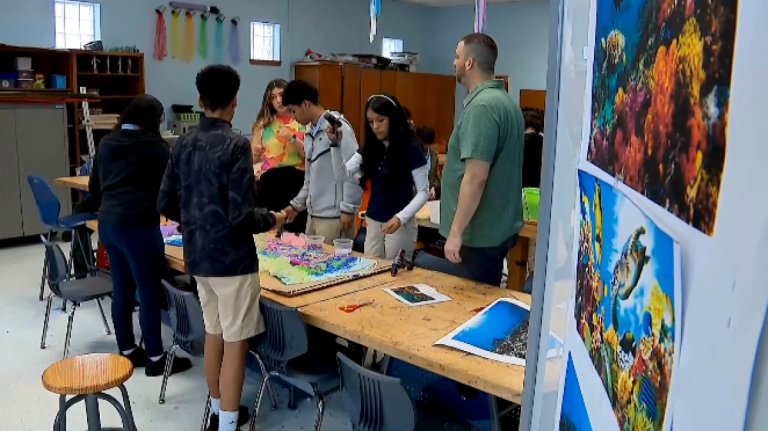
Second graders from Momentous School visit frequently and practice the exercises as part of their routines, turning a zoo trip into a hands-on lesson in self-regulation. “As we’re seeing these, we’re practicing these things and saying ok we can stand on one foot to activate our focus,” second-grade teacher Brittany Henderson said. Repetition during a field trip helps the techniques stick while keeping the vibe light and playful.
Children who try the breathing and mindfulness prompts say they notice an immediate difference in how they feel and focus. “When I take that deep breath, I feel really, really concentrated and focused, and it just makes me feel like nothing bothers me anymore,” Aliah said. That kind of direct feedback from a student shows the tools can work right away, even in a busy zoo setting.
Organizers stress that mental health practices don’t need to be elaborate to matter; small habits add up when they’re easy to repeat. “Mental health practices doesn’t have to be complicated; it can be as easy as going to the zoo, going for a walk, texting your best friend,” Richmond said. Kelly Richmond, director of impact at Momentous Institute, points out that accessibility is the program’s strength.
The “Squeeze the Day” initiative goes beyond the zoo, with activities appearing at parks, shopping centers and even at the Byron Nelson golf tournament through the end of May. By putting brief, doable practices into public places, the campaign hopes more children and families will build tiny rituals that boost focus and calm. It’s a low-pressure nudge toward better mental habits that meets families where they already spend time.