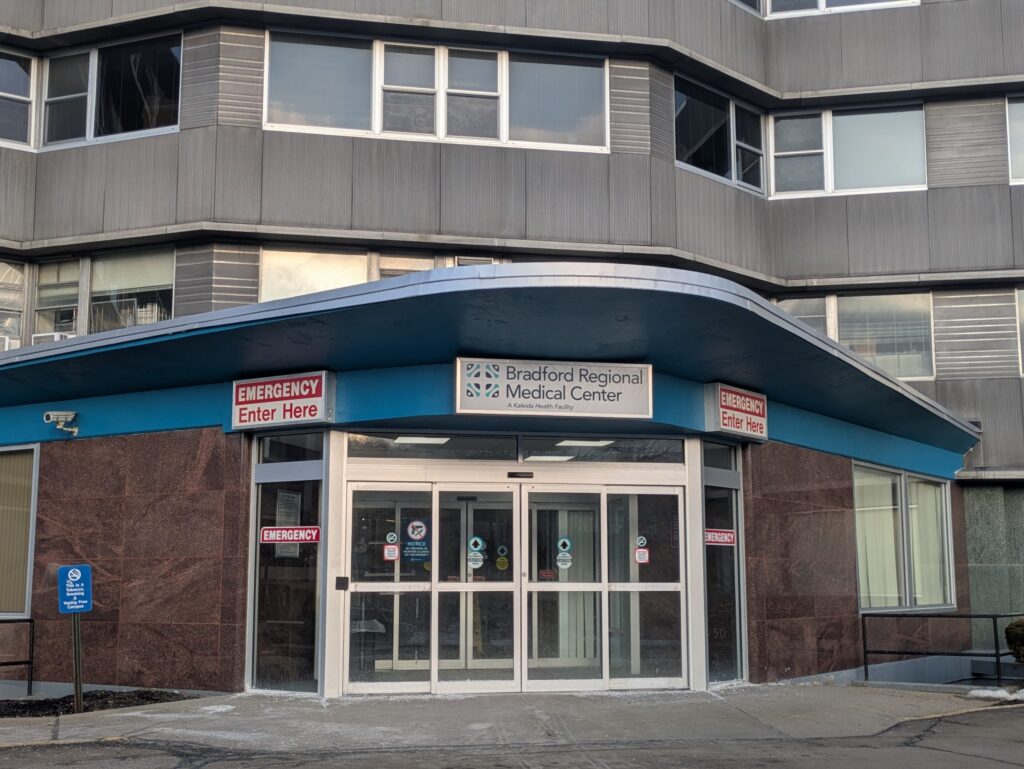
After Bradford Regional Medical Center scaled back services, many neighbors in Bradford and the surrounding area are left scrambling for sensible ways to handle urgent care and chronic needs without a local emergency room. This piece lays out practical steps, reliable alternatives, and planning tips to help patients, families, and caregivers navigate a community-level health gap. I’ll name options, highlight when to call 911, explain how to make telemedicine and primary care work for you, and point to ways the community can push for safer access to care.
First, know when something is truly an emergency. Chest pain, severe shortness of breath, major bleeding, sudden weakness or slurred speech and head injuries still require 911 and transport to the nearest operating emergency department even if it’s farther away than before. For less life-threatening problems, such as minor fractures, moderate abdominal pain, or fever without alarming symptoms, plan to use urgent care or telemedicine to avoid long waits and unnecessary ambulance rides.
Urgent care centers are now a core piece of the local patchwork; learn which ones in the region have imaging, point-of-care testing and extended hours, and add their names and phone numbers to your phone. Telemedicine is a fast, practical second option for many issues — prescription refills, rashes, medication questions and follow-up visits — and it keeps primary care physicians involved. Make sure your insurer covers virtual visits and know how to upload your medication list, allergies and recent test results into the telehealth portal before logging on.
Keep primary care at the center of your plan. If you don’t already have a relationship with a primary care doctor, find one now and schedule a medication and care review so chronic problems are managed proactively. Regular care reduces the odds of a condition becoming an emergency, and your PCP can guide whether a condition needs transfer to a hospital or can be handled locally. Ask for same-day or next-day appointments and establish a clear line for after-hours advice.
Be deliberate about medication and medical records. Maintain an updated medication list and a short medical history sheet with allergies, past surgeries, and implantable devices, and store printed and digital copies where family and caregivers can access them. Request copies of recent labs and imaging from your providers and keep them on a USB or cloud drive so receiving clinics can make faster decisions. If you use oxygen, insulin, anticoagulants or other high-risk therapies, prepare a highlighted summary so treating clinicians can act without delay.
Practice simple triage at home so families can separate urgent from non-urgent situations. Look for red-flag signs such as worsening breathing, confusion, fainting, uncontrolled bleeding, or symptoms that rapidly get worse; those demand emergency transport. For everything else, start with your PCP or a telemedicine visit, then escalate to urgent care if the issue needs hands-on treatment. If you’re unsure, call a nurse advice line or your doctor’s office rather than waiting until late-night symptoms become emergencies.
Plan logistics ahead of time: know where the nearest hospitals are, which ones accept your insurance, and how long it takes to get there by car or ambulance. Build a transportation roster with neighbors, family or ride services and enroll in any community medical transport programs if available. If you rely on frequent testing or specialty care, map out alternative facilities and set up transfers for records so continuity of care isn’t interrupted when a clinic refers you elsewhere.
There are community steps that make a difference beyond individual planning. Connect with local clinics, the county health department, and patient advocacy groups to push for expanded urgent care hours, mobile clinics, or telehealth access points. Encourage local employers and schools to stock basic first-aid supplies and pulse oximeters, and consider organizing community training in first-response basics and advanced care directives. Small collective actions reduce risk for the whole town.
Dealing with a lost hospital can be emotional, and that’s normal — many people describe feelings from sadness to anger as local services shift. Channel that energy into practical preparedness and civic engagement: get paperwork in order, meet your providers, and join conversations about how to restore stable access to emergency and inpatient care. Taking concrete steps now will make a real difference for your family and your neighbors when minutes matter.