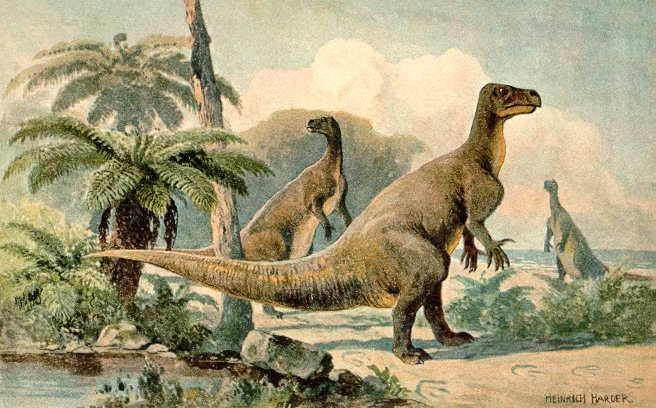
South Dakota has long been a treasure trove for paleontologists, and the discovery of the Dakotadon lakotaensis fossil in the Black Hills is a testament to the state’s rich prehistoric heritage. This remarkable find, made half a century ago, continues to captivate researchers and enthusiasts alike.
A Chance Discovery
In 1976, Louis Rossow stumbled upon the fossil while on a rattlesnake hunt near his home in the Whitewood Valley, close to Sturgis. The bones, protruding from a sandstone cliff, were later identified as belonging to a previously unknown dinosaur species, which was subsequently named Dakotadon lakotaensis in honor of the state and its indigenous roots.
The fossil was transported to the South Dakota School of Mines and Technology for further examination. This institution, known for its contributions to paleontological research, played a crucial role in analyzing the specimen and understanding its significance.
Implications for Research
The discovery of Dakotadon lakotaensis has provided scientists with valuable insights into the diversity of dinosaur species that once roamed the region. It has helped paint a more comprehensive picture of the ecosystem that existed in the Black Hills millions of years ago.
Researchers believe that such findings not only enhance our understanding of prehistoric life but also underscore the importance of preserving natural sites where these fossils are found. The Black Hills, with its unique geological formations, continues to be a focal point for paleontological studies.
Honoring Heritage
The naming of Dakotadon lakotaensis reflects a deep respect for the cultural and historical significance of the area. It serves as a reminder of the indigenous peoples who have long inhabited the region and their connection to the land.
As South Dakota continues to be a hub for fossil discoveries, the Dakotadon remains a symbol of the state’s rich natural history and its ongoing contribution to the field of paleontology.
Original reporting: The Dakota Scout (Sioux Falls) — read the source article.