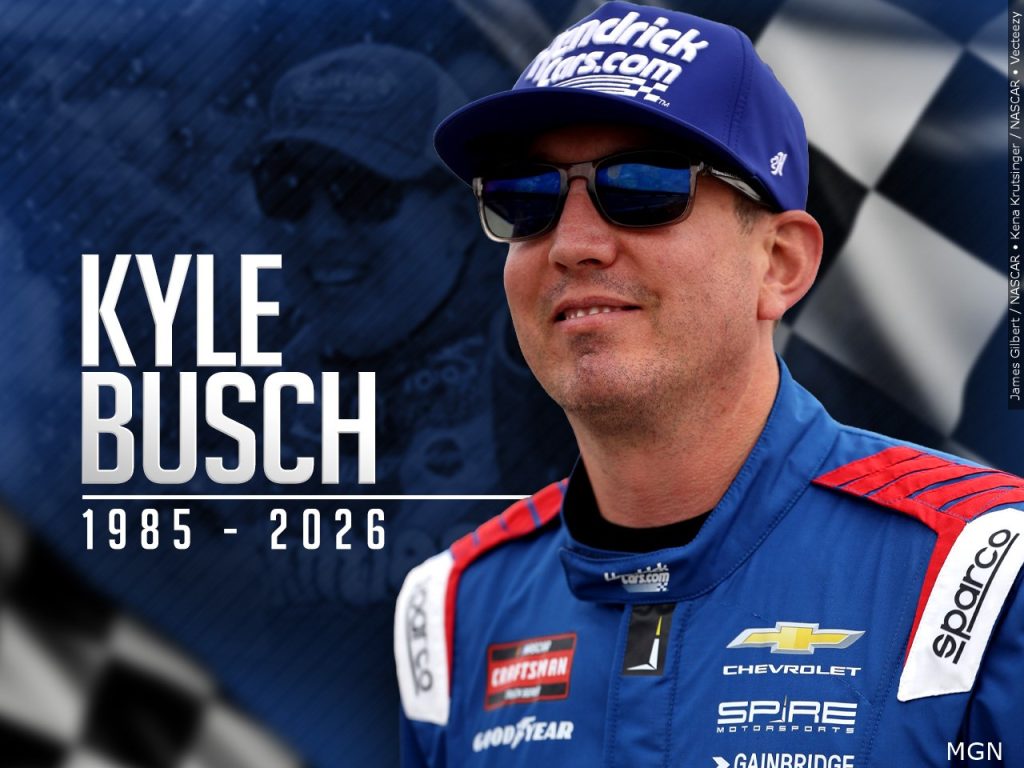
Kyle Busch, the two-time NASCAR Cup Series champion, has died at 41, his family, Richard Childress Racing and NASCAR said in a joint statement Thursday. The terse announcement described his passing as sudden and tragic, and it named the Busch family and Richard Childress Racing specifically. No cause was provided in that initial release, and fans and officials are still waiting for details.
The statement read, “On behalf of the Busch family, everyone at Richard Childress Racing and all of NASCAR, we are devastated to announce the sudden and tragic passing of Kyle Busch,” and it made clear that the sport and his team are reeling. That language set the tone: grief mixed with shock, and a promise of more information to come. For many in racing, this felt immediate and personal.
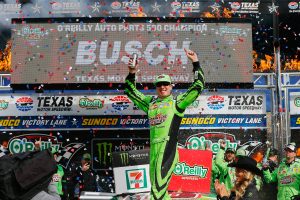
Kyle Busch had a reputation for both ferocity on the track and a deep, complicated relationship with fans and competitors off it. He was known for pushing cars and people to the edge, and for a raw competitiveness that produced two Cup Series titles and hundreds of wins across NASCAR’s top divisions. Those accomplishments kept him at the center of the sport for two decades.
People who watched his career up close point to moments that defined him: late-race drives that seemed impossible, comebacks from injury, and a refusal to back down when the pressure was highest. Teams respected his feedback and ability to extract speed; rivals respected that whenever Busch showed up, the race changed. His intensity made him a force many drivers measured themselves against.
Richard Childress Racing, which issued the joint notice, is a major NASCAR team with a long history in the series. Their statement linked the team to the family and to NASCAR, signaling a unified front as they manage announcements and logistics. That alignment is typical in chaotic moments; teams and sanctioning bodies try to speak with one voice while private families process what happened.
Fans flooded social channels within minutes of the announcement, trading memories and photos from races at tracks like Daytona, Martinsville and Bristol. Tributes ranged from quiet notes about meeting Busch at the garage to vivid threads replaying his most memorable finishes. The outpouring made clear he mattered to many beyond the usual standings and statistics.
At the track level, the news raises immediate questions about upcoming events, driver rosters and how teams will cope in the short term. NASCAR will have to balance the need for procedurally handling entries, points and safety checks with the emotional weight of a community in mourning. Those logistical choices will play out over the coming days and will shape how fans and competitors remember this period.
Inside the garages and team haulers, people work on fine margins daily, but a loss like this can reorder priorities instantly. Crew chiefs, engineers and fellow drivers are colleagues and friends who now face the practical tasks of sharing memories, canceling appearances and planning any public remembrances. The sport’s tight-knit nature means these ripple effects are both professional and deeply personal.
Until more comes out, speculation will fill gaps, but officials have asked for privacy for the Busch family as they grieve and make arrangements. That request is standard and understandable; the family’s wishes will guide how and when more specifics are revealed. Meanwhile, NASCAR and Richard Childress Racing have pledged to provide updates when they are ready.
What comes next will be a mix of memorials, tributes and practical decisions. Schedules may shift; teammates and rival drivers will find ways to honor a competitor who pushed hard and won often. The sport will have to carry on while also carving out space to acknowledge the impact of a champion’s sudden passing.