The legal landscape is rattled from coast to coast as high-profile cases collide: Alex Murdaugh’s tangled jury tampering fight and retrial maneuvers in South Carolina, Luigi Mangione’s evidence battles ahead of a September trial, Tyler Robinson’s courtroom clashes tied to Charlie Kirk’s assassination case, and a string of cold-case breakthroughs and bizarre plots that keep prosecutors and families on edge. From a court clerk scandal to DNA breakthroughs and allegations of dark-web murder plots, these stories trace how evidence, secrecy, and surprise witnesses can rewrite outcomes and stall justice.
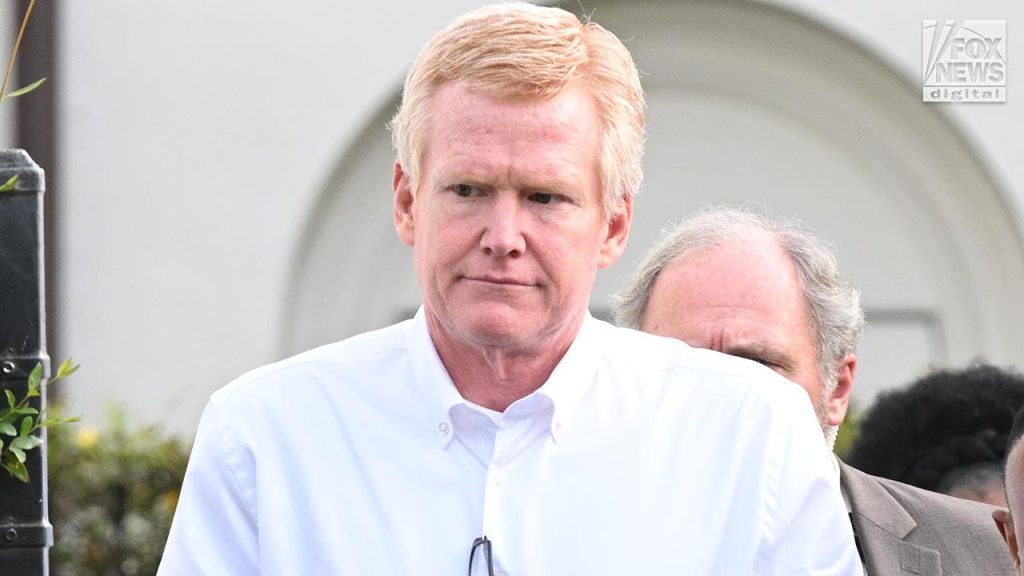
Alex Murdaugh’s saga keeps taking new turns, with an “egg juror” pushing to crack open a jury-tampering investigation after a bombshell court clerk scandal surfaced. Defense lawyers have filed suits against court staff and signaled they’ll press alternate suspect theories as DNA questions loom over any retrial. That combination of procedural attacks and forensic doubt has raised the stakes for prosecutors and the families watching every filing and hearing. The fight over venue, evidence, and what jurors will actually see promises to drag these proceedings back into the spotlight.
Documents also point fingers at people outside the courtroom, including Becky Hill, whose comments and book ambitions were described as ‘disgraceful’ in court papers that defense teams say undermined confidence in parts of the original conviction. Those revelations feed the broader narrative that trials can be influenced long before jurors are picked, and they add fuel to motions seeking new evaluations of fairness. When public statements from someone connected to a case make their way into legal filings, they can complicate retrial strategy and jury selection. Lawyers on both sides are watching social media, interviews, and memoir plans as if they were evidence.
In another corner of the courts, Luigi Mangione’s case highlights how shifting legal doctrines can reshape what jurors will see. A retired detective argued that ‘wrong-headed’ defendant-friendly laws in New York helped toss key Mangione evidence, and judges now face crucial rulings that could limit or expand what’s admissible at the September murder trial. Those decisions could tilt a jury’s understanding of motive and means, so attorneys are staking out every legal precedent they can find. This is the kind of procedural chess match where a single evidentiary ruling can decide whether a case survives to be argued on its facts.
Tyler Robinson’s defense is taking an aggressive posture as well, fighting to seal evidence and even seeking sanctions against prosecutors in a case linked to Charlie Kirk’s assassination. Robinson’s team has asked for more secret hearings after they lost a battle over cameras in the courtroom, arguing that some disclosures would unfairly prejudice their client. Prosecutors counter that transparency serves the public interest, especially in a case drawing national attention. These clashes over openness versus strategy show how camera rules and sealed filings can influence public perception and trial tactics.
Investigators are also tracing darker, organized patterns in a separate strand of crime reporting where a ‘Wrench attack’ theory is raising fresh concerns about coordinated criminal tactics. Retired detectives and local law enforcement warn that certain violent methods look less like isolated attacks and more like coordinated moves by underground networks. That theory has sharpened focus on how suspects acquire tools, communicate, and carry out crimes in ways that evade casual detection. Local communities and prosecutors are trying to adapt investigative techniques to match those evolving threats.
Cold-case work has seen dramatic shifts courtesy of DNA tech and undercover stings. One 40-year-old library worker slaying was cracked after DNA links finally put a suspect in custody, and another accused killer who allegedly chewed undercover DNA bait is now facing victims and families in court. These breakthroughs are part scientific miracle, part relentless detective work, and the emotional toll on survivors shows in every hearing. When decades of uncertainty end with an arrest, courts must balance the rush for justice with careful vetting of old evidence and new matches.
Federal investigators are also revisiting decades-old disappearances, using new imaging and shifting loyalty patterns among associates to search for truth in cases where teens vanished from home long ago. At the same time, bizarre criminal plots continue to surface: an influencer mom and a lawyer father have been accused of a dark-web murder plot targeting a pop star’s baby daddy, and a Mango clothing tycoon’s son was arrested in the death of a billionaire linked to a national brand. These stories are reminders that modern crimes often mix social media, private vendettas, and globalized markets in unexpected ways.
Not every revelation is violent, but every one changes the lives involved. In Oklahoma, a woman discovered her husband had been living under a fabricated identity after allegedly faking his death in a barn fire 37 years earlier, a deception that upended family histories and inheritance questions. Cases like that show how fraud and false identities can ripple through civil and criminal systems, triggering investigations into old records, insurance claims, and decades-old police conclusions. Courts must now sort out truth from myth as families demand answers and prosecutors weigh charges.