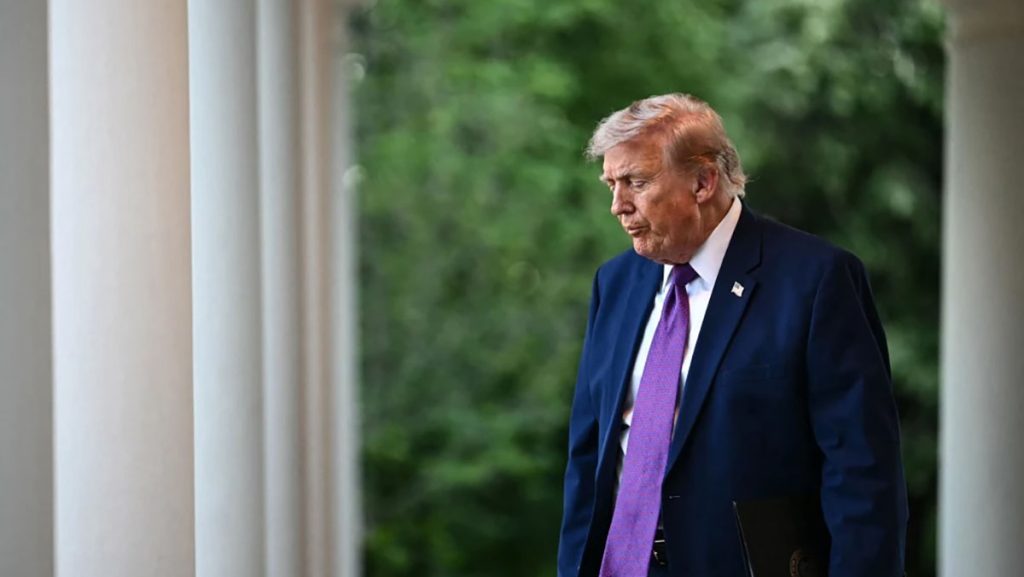
President Donald Trump chose national security over a family celebration this week, telling reporters he couldn’t shift his focus away from Iran even as plans for his son’s wedding were underway. The image and the president’s exact words underline the moment: “This is not good timing for me,” the president said. “I have a thing called Iran.” Washington, the campaign trail, and conservative voters all noticed the tradeoff between duty and family.
Trump’s line was short and blunt, the kind of plain talk his supporters expect. He made it clear he sees threats abroad as nonnegotiable, even when personal life pulls the other way. That straightforward approach plays well with an audience that prizes toughness and clear priorities.
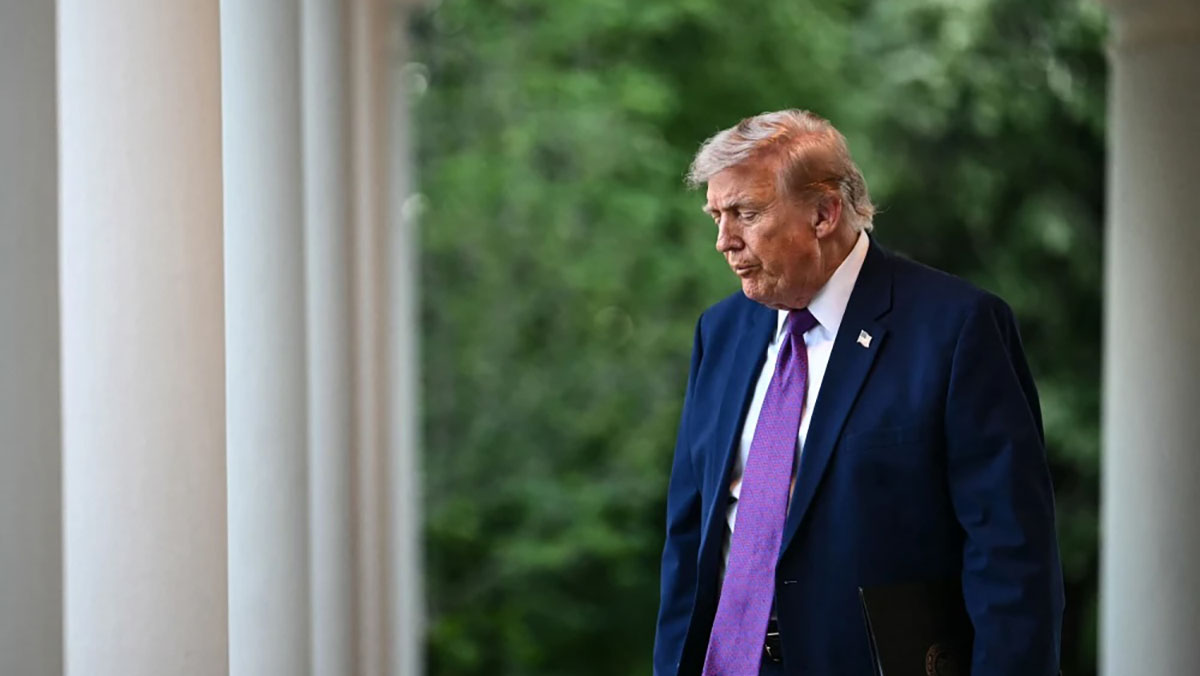
For Republicans, the scene reinforces a basic argument: a president has to lead, even when the timing is inconvenient. Voters who worry about foreign threats want a commander in chief who treats trouble seriously and doesn’t treat crises like bad scheduling. Trump’s comment signals that he puts national security first, plain and simple.
Critics will spin the same words differently, but the core fact is simple. He publicly acknowledged the conflict between a private celebration and a public responsibility, and he let people read his priorities. In a crowded political landscape, those moments are what define a leader to undecided voters.
There are tactical angles worth noting. A visible choice like this can shore up trust among hawkish conservatives and independents who value decisive action. It also forces the media to frame the story around judgment and leadership rather than personality. That shift in narrative is an advantage when you want attention on competence instead of drama.
On the campaign front, this moment gives Republicans a compact message: national security matters more than optics. Party operatives can use it to contrast firm choices with opponents who waffle or prioritize theater. Messaging teams will highlight the quote and the context to show steadiness under pressure.
Of course, opponents will accuse him of spectacle or argue that family moments matter, too. Those arguments are valid emotionally, but they miss why many voters back a tougher approach to Iran. For a base worried about violence, proliferation, and instability, the promise of a leader willing to act is persuasive.
Look at how the public reacts on social platforms and in battleground states. Supporters are likely to interpret his comments as proof that he puts country before self. That kind of perception often translates into durable political support, especially when the stakes seem real and immediate.
In the months ahead, Republican strategists will point to this as a teachable moment about priorities and presidential responsibility. It’s compact, quotable, and aligned with the party’s broader argument about security and strength. For many conservative voters, that combination is exactly what they want from the top job.
Whatever else happens, the image and the line will stick in the public record. It’s the sort of no-frills moment that plays well in rallies and in commercials. For a base that prizes clarity over pretense, the choice to put national security first is a clear winner.