Kyle Busch’s sudden death on Thursday at the age of 41 sent an immediate shock through the racing world and beyond, stirring a flood of emotion from fans, teams and trackside communities. In Las Vegas and at racetracks across the country, people stopped what they were doing to share memories, post photos and leave tokens where the sport gathers. This piece collects those reactions, sketches how the NASCAR community and casual fans responded, and reflects on the mark he left on racing culture.
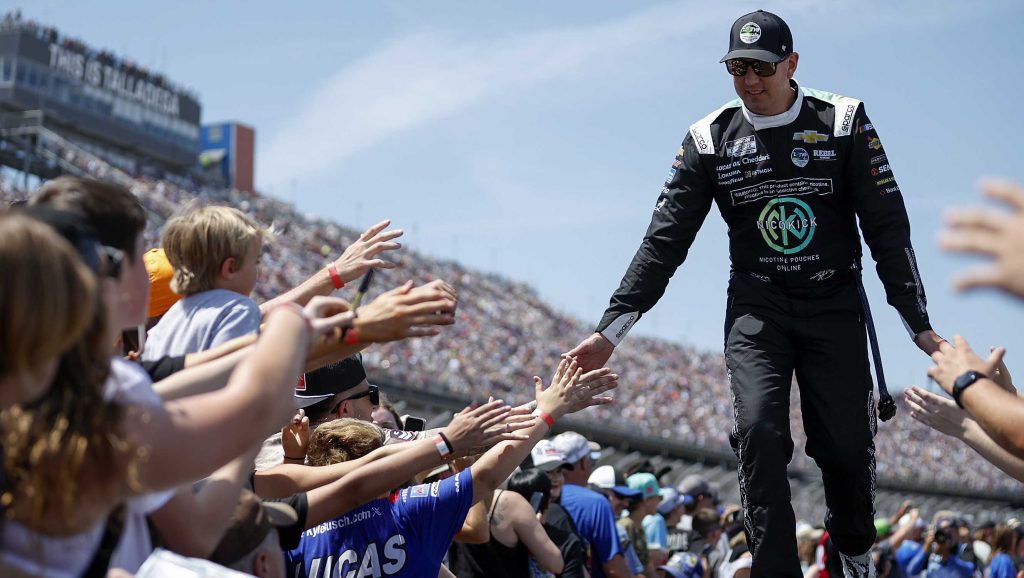
Within minutes of the news, social feeds filled with short, stunned messages and longer tributes that tried to capture a complicated legacy in a few lines. Fans posted snapshots from pit road and grandstands, selfies with his car, and handwritten notes left at memorials near major speedways. The tone swung between disbelief and gratitude, with many remembering his fierce competitiveness as well as his knack for making headlines.
Drivers and crew members who raced alongside or against him shared stories that sounded less like press statements and more like conversations at the track after hours. Those recollections focused on the grind: long nights tuning engines, last-lap battles, practical jokes in the garage, and the way rivalries on the track often softened into mutual respect off it. Even without naming individuals, the pattern was clear: the racing community lost someone larger than any single headline.
At tracks where he had memorable wins, small impromptu gatherings formed, spontaneous shrines of flowers, flags and model cars collecting in quiet corners of fan zones. Veterans of the sport described those scenes as instinctive acts of respect from people who treat the sport like family rather than just entertainment. The visual reminders—caps hung over helmets, a faded poster taped to a fence—gave texture to what otherwise would be a sea of generic condolences.
Commentary from analysts and commentators leaned toward sober appreciation, cataloging career highs without glossing over the tougher moments that made his career so watchable. Broadcasts replayed defining races and granted viewers time to sit with the highlights that created his public persona: relentless pace, clutch wins, and a willingness to push limits. For many, those clips served as a way to remember the energy that made him a central figure in modern stock car racing.
Local fan clubs and online forums immediately pivoted into organizing ways to commemorate him in the coming weeks, planning moments of silence, special tributes at local tracks, and collections for charities meaningful to his family and community. These grassroots efforts often felt more personal than any corporate release, fueled by people who had followed his career long before it hit the big stages. They aimed to turn grief into something active—shared stories, gatherings, and ceremonies where people could speak and listen.
Looking ahead, the conversations spun out in different directions: how to preserve the memory of a complex competitor, how to support the family and crew left behind, and what the moment means for the sport as it copes with sudden loss. Across social channels and at the venues where he raced, people kept coming back to the same idea—he mattered to them in ways that went beyond trophies and headlines. Those reactions, raw and varied, are the clearest measure of the place he occupied in the hearts of fans and in the life of the sport.