@keyframes spin {
0% { transform:rotate(0deg); }
100% { transform:rotate(360deg); }
}
New Mexico World War II POW identified; remains to be returned
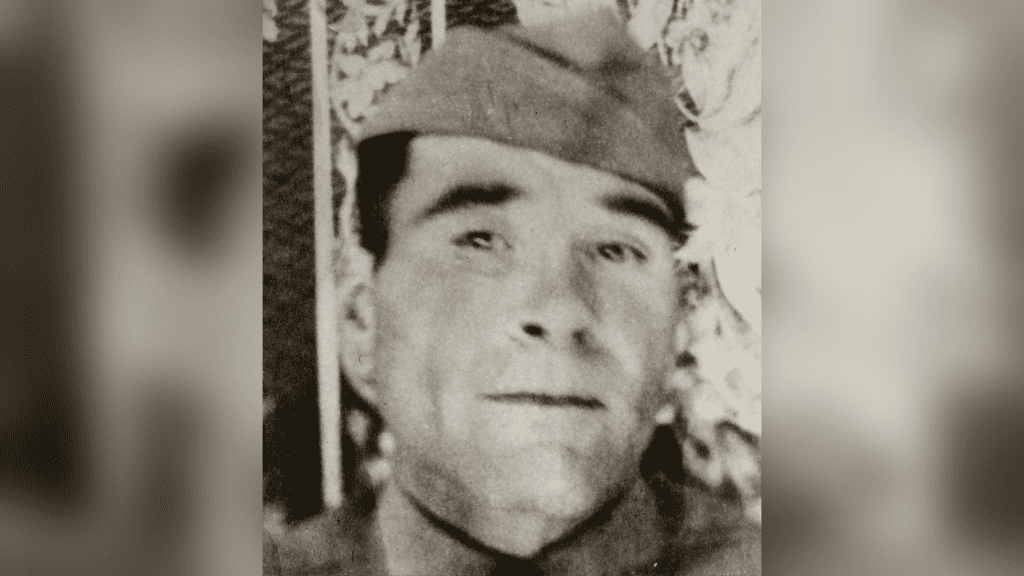
A serviceman from New Mexico who died as a prisoner of war during World War II has finally been identified more than 80 years after his capture. The Defense POW/MIA Accounting Agency confirmed the identification on Sept. 29, 2025, and provided a full briefing to the soldier’s family. Arrangements are in place for his burial in Santa Fe later this week.
The soldier has been identified as Corporal Richard A. Veal, a 36-year-old Albuquerque native. Veal served with Battery C of the 200th Coast Artillery Regiment during the Japanese invasion of the Philippine Islands that began in December 1941. U.S. and Filipino forces fought through spring 1942 until the surrender of Bataan on April 9 and Corregidor on May 6.
After the surrender, thousands of American and Filipino troops were taken prisoner. Veal was among those captured; survivors and historical records show many were forced on the 65-mile Bataan Death March before being held at Cabanatuan POW Camp No. 1. The camp was deadly: more than 2,500 prisoners died there over the course of the war.
Prison camp records indicate Veal died on Dec. 27, 1942, and was buried with other deceased prisoners in Common Grave 837 at the Cabanatuan camp. Following the war, American Graves Registration Service teams exhumed remains from Cabanatuan and moved them to a temporary U.S. military mausoleum near Manila. Two sets of remains recovered from Common Grave 837 could not be identified at that time and were interred as Unknowns at the Manila American Cemetery and Memorial.
As part of the Cabanatuan Project, the Defense POW/MIA Accounting Agency exhumed the remains associated with Common Grave 837 in December 2020 and brought them to its laboratory for study. Using dental records, anthropological analysis and other circumstantial evidence, DPAA scientists were able to establish that one set of remains belonged to Cpl. Richard A. Veal. The American Battle Monuments Commission maintained his unknown grave for decades; with his identification complete, a rosette will be placed beside his name on the Walls of the Missing at the Manila American Cemetery, and his family will lay him to rest in Santa Fe.