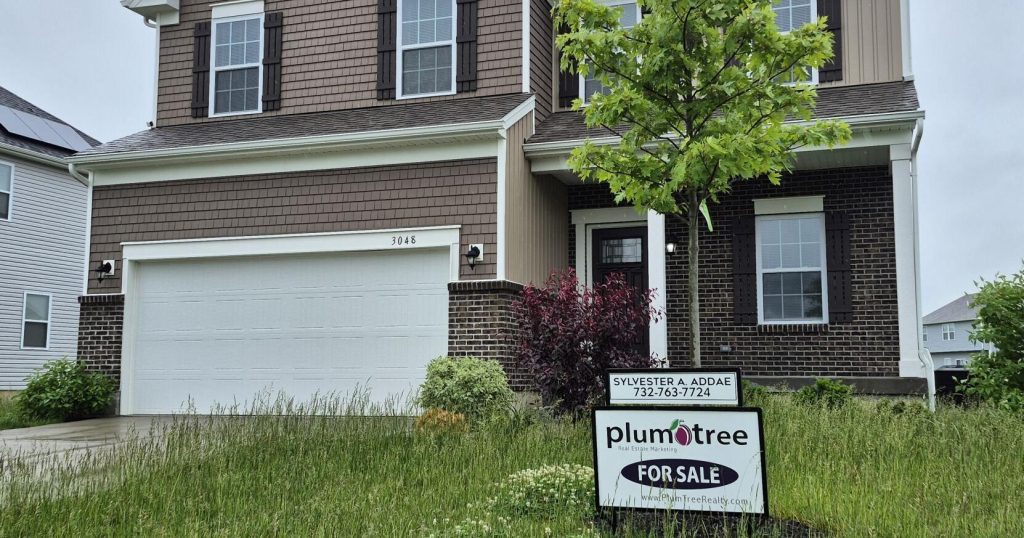
Dayton, Ohio earned a spot on WalletHub’s list of the most affordable small cities to buy a home, and that ranking is reshaping how buyers and investors look at the region. This piece walks through what that affordability means for residents, the local market signals behind the number, and what potential homebuyers should keep in mind when shopping in and around Dayton.
At first glance, Dayton’s affordability is straightforward: housing prices and carrying costs there tend to sit well below national small-city averages. Lower median sale prices combined with modest property taxes and reasonable insurance rates are what pushed the city onto WalletHub’s radar. Those factors give Dayton a clear edge for buyers who prioritize monthly housing costs.
Digging deeper, the story isn’t just low prices. Dayton’s job base, anchored by sectors like healthcare, manufacturing, and the nearby Wright-Patterson Air Force Base, helps stabilize demand. A steady employment mix means buyers aren’t relying on a single industry to keep the local market afloat, which matters for anyone worried about volatility.
Neighborhood variety plays a role too. Dayton offers a range of options from older, established districts with character to newer subdivisions on the outskirts. That variety gives buyers the flexibility to choose tradeoffs between commute, lot size, and the kind of community they want without paying a premium seen in many other cities.
For first-time buyers, the math looks attractive. Lower entry prices can reduce down payment hurdles and monthly mortgage burdens, making homeownership more reachable. Still, lending standards and mortgage rates remain the gating concerns, so affordability on paper does not automatically translate to easy qualification for every household.
Investors notice affordability for different reasons. Lower purchase prices can equal higher initial yields when rents are stable, and Dayton’s steady renter pool keeps vacancy risks manageable. But investors should vet neighborhood-level trends, since the city’s markets can vary block by block in appreciation and tenant demand.
There are also caution flags to consider. Population trends and long-term wage growth matter for sustained housing demand, and parts of Dayton have seen slower demographic momentum than some peer cities. Buyers who expect rapid resale appreciation should temper those expectations with a realistic view of local population shifts.
Public amenities and quality-of-life factors often get overlooked when we talk numbers. Dayton has cultural assets, parks, and a downtown revitalization streak that adds real value beyond the sticker price of a home. Those elements can make an affordable house feel like a long-term community win instead of just a cheap purchase.
Renovation and maintenance costs should enter the equation as well. Many of the affordable homes in Dayton are older, and updating systems or finishes can add up quickly. Shrewd buyers factor renovation budgets into their offer strategy so affordability remains true after closing costs and upgrades.
Taxes and insurance are practical drivers of monthly cost differences between markets. Dayton’s property tax rates and homeowners insurance premiums tend to be lower than those in pricier metros, which helps keep ongoing housing costs manageable. That reduces the risk of sticker shock after someone buys a house based only on sale price.
Local financing options and assistance programs can amplify the benefits of low prices. Homebuyer assistance, local down payment programs, and community lender products make a big difference for qualified buyers. Checking those resources before starting a search can turn an affordable market into a realistically reachable one.
For sellers and real estate professionals, affordability brings competition on a different axis. Houses need to be priced and presented in a way that highlights long-term value rather than just the bargain headline. In Dayton, curb appeal, energy efficiency, and smart renovations help listings rise above a crowded low-price tier.
Community leaders also play a role. Local policy decisions on zoning, infrastructure investment, and economic development influence whether affordability becomes an asset that draws new residents or a symptom of stagnation. Active planning and targeted investment can steer affordability toward sustainable growth.
Buyers and renters looking at Dayton should do homework on neighborhoods, compare total monthly housing costs, and consider how long they plan to stay. Affordability opens doors, but making the most of it depends on matching price advantages with realistic expectations about income, upkeep, and community trajectory.