This article lays out the National Transportation Safety Board’s findings on the April 21 explosions on Preston Hollow Drive in San Antonio, where two separate house blasts injured multiple residents and a CPS Energy worker. It names Timothy Nowell, Kimberly Nowell, their teenage daughter, Jose Ochoa, and Mayte Terrie Reeves as those hurt, and traces the response from San Antonio Fire Department, CPS Energy, NTSB, the Texas Railroad Commission, and the Pipeline and Hazardous Materials Safety Administration.
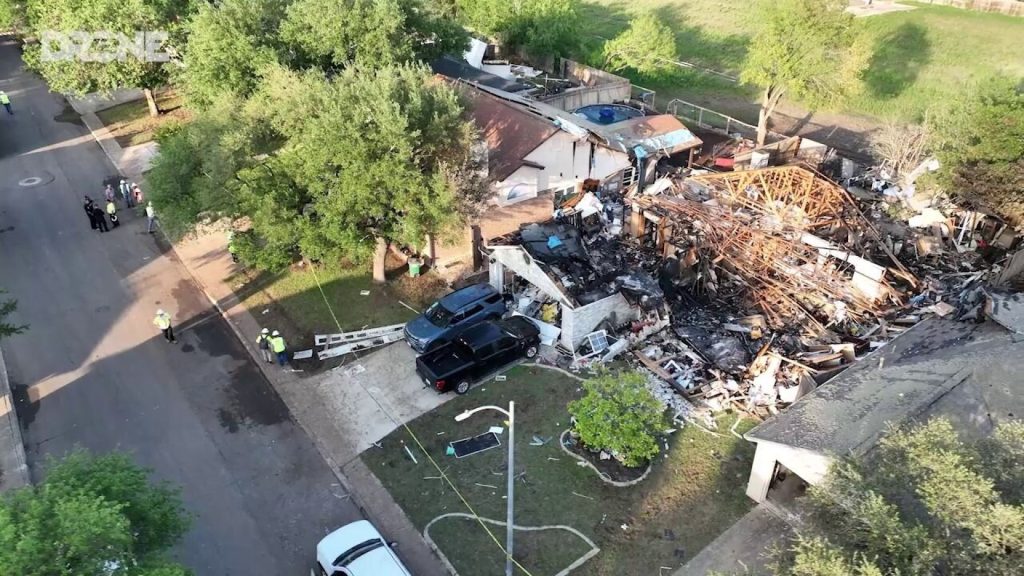
The first blast tore through a home in the 15000 block of Preston Hollow Drive at 6:04 p.m., and San Antonio fire crews arrived minutes later to put out the flames. Timothy Nowell, Kimberly Nowell and their teenage daughter were hurt in that initial explosion, and crews from CPS Energy reached the scene shortly after. The neighborhood settled into an uneasy quiet until evening, when a second detonation rocked the block roughly two houses away.
KSAT crews on scene reported hearing a loud “boom” around 8:30 p.m., and the NTSB pinpoints the second explosion at approximately 8:25 p.m. That blast seriously damaged a different house and injured two occupants, later identified as Jose Ochoa and Mayte Terrie Reeves. A CPS Energy employee who had been working nearby also suffered injuries in the second event and was treated and released.
Firefighters battled the second blaze for hours, with the San Antonio Fire Department noting the fire was finally extinguished at about 11:59 p.m. The timeline from first fire to final extinguishing underscores how quickly things escalated and how long the neighborhood remained under threat. Investigators focused on what could have fed two separate explosions on the same street within hours of each other.
NTSB investigators determined both blasts were fueled by natural gas and then turned to the local distribution system for answers. The street used a two-inch diameter high-density polyethylene underground gas main with one-inch polyethylene service lines connecting homes to the main. At the time of the explosions the system was operating at about nine pounds per square inch gauge, well under the listed maximum operating pressure of 33 psi.
The pipes in question had been installed in 1993, which prompted investigators to treat age and installation history as relevant factors while they tested materials and seams. About 46 minutes after SAFD finished extinguishing the first fire, a CPS Energy worker found a leak in the service line at the house sitting between the two blasts. That discovery did not immediately stop the risk: CPS Energy crews were able to isolate and plug the line only by about 1:40 a.m. on April 22, hours after the second explosion and roughly five hours after flames first flared in the neighborhood.
NTSB officials sent the “leaking section of the service line and a section of the gas main” to their laboratory for more detailed testing, looking for defects, stress fractures, or installation flaws that could explain two nearby ruptures. On April 22 and April 23 investigators walked the scenes with CPS Energy and performed bar hole testing that revealed additional gas underground near both homes and the intermediary property. No other leaks tied to the first house’s main and service line were found, narrowing the focus but not yet delivering clear answers.
The investigation brought several agencies to the block alongside local crews: CPS Energy and the San Antonio Fire Department worked with the Texas Railroad Commission and the Pipeline and Hazardous Materials Safety Administration of the U.S. Department of Transportation. NTSB said the probe remains active as analysts comb lab results, service records, pressure logs, and installation history for clues. Families and neighbors are still processing the injuries and damage, and the community is waiting for definitive findings on what allowed natural gas to ignite twice on the same street in a single night.