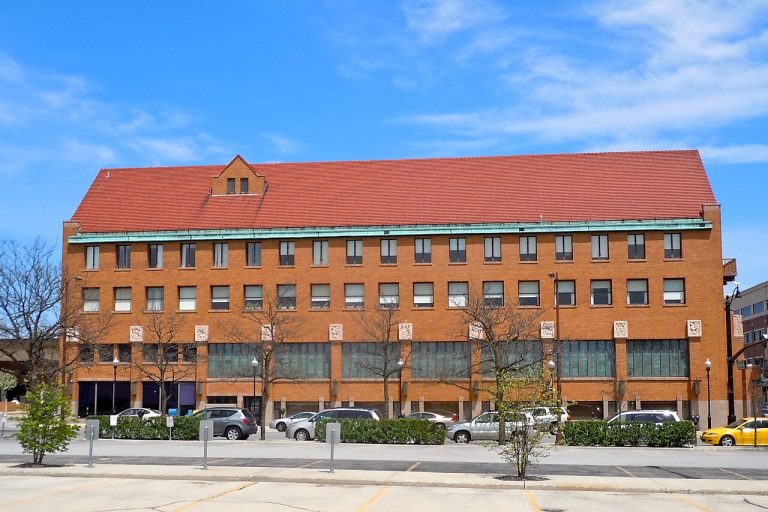
There is a building on the National Mall that stops you in your tracks before you even walk through the door. The National Museum of the American Indian rises from the landscape in sweeping curves of Kasota limestone, its warm honey tones glowing against the Washington sky like something that grew here naturally rather than being built. And in a very real sense, that is exactly the point.
Situated at the corner of Fourth Street and Independence Avenue SW, right along the southern edge of the National Mall, this Smithsonian gem is one of the most architecturally distinctive buildings in the entire city. The exterior is softened by a carefully designed landscape of wetland plants, prairie grasses, cropland, and hardwood forest — a living representation of the environments indigenous peoples across the Americas have called home for thousands of years. Before you’ve read a single exhibit label, you already understand that something different is happening here.
Step inside and the soaring atrium — called the Potomac — immediately impresses. Natural light floods in through a skylight above, and the curved interior walls give the space an almost ceremonial feeling. There are no rigid right angles here. The architecture itself is a statement about a worldview that sees the natural world as circular and interconnected rather than gridded and compartmentalized.
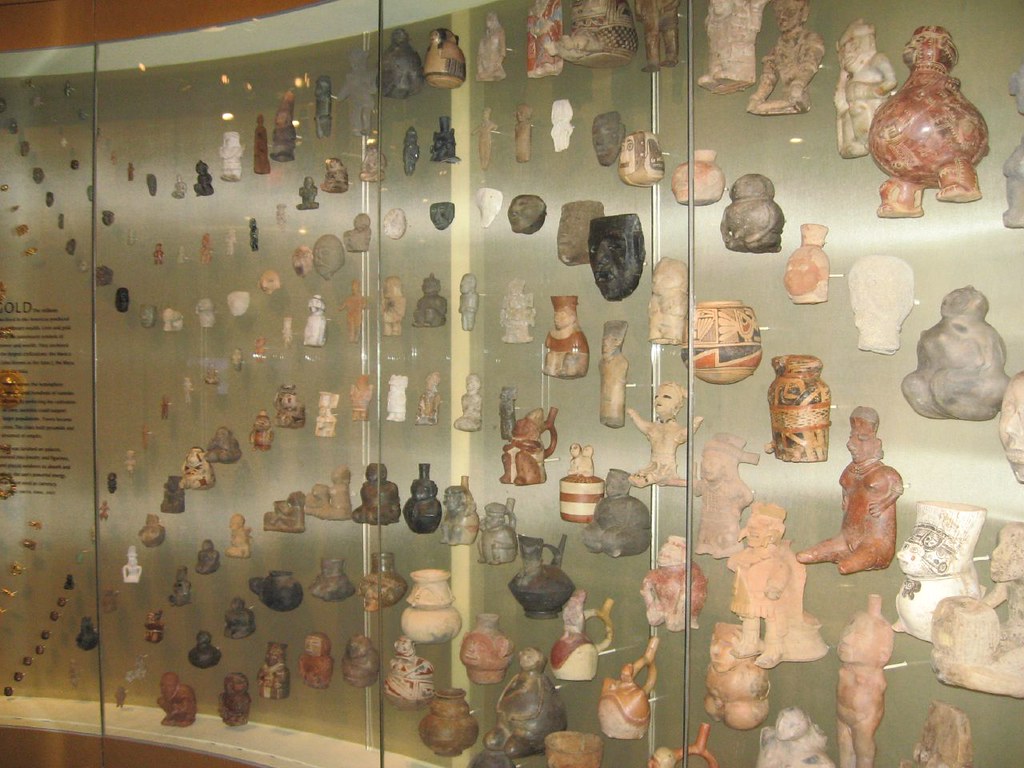
The permanent exhibitions are rich and layered. Our Universes explores the philosophical and spiritual relationships that Native peoples maintain with the cosmos and the natural world. Our Peoples confronts history honestly — including the devastating consequences of colonization — without reducing Native communities to their suffering. And Our Lives is perhaps the most quietly radical of all: a celebration of contemporary Native identity that pushes back firmly against the idea that indigenous culture exists only in the past. You will meet artists, athletes, politicians, and community leaders who are very much alive and shaping the present.
What sets this museum apart from many others on the Mall is the strong Native voice behind every decision. The museum was built in close partnership with Native communities, and that collaborative spirit shows in details large and small — from the food served in the Mitsitam Native Foods Café to the objects carefully chosen for display. The café alone is worth the visit: regionally inspired dishes drawn from Native culinary traditions across the hemisphere make for a genuinely memorable lunch.
Plan to arrive with a comfortable two to three hours, though honestly you could spend longer. Admission is free, as with all Smithsonian museums, and the building is open daily except Christmas Day. Whether you come for the architecture, the history, the food, or the art, you will leave with a fuller, richer understanding of this continent — and of the people who have called it home far longer than any nation-state has existed.
Washington D.C. has no shortage of monuments to American history. But the National Museum of the American Indian invites you to reconsider what that history actually contains. That is an invitation well worth accepting.