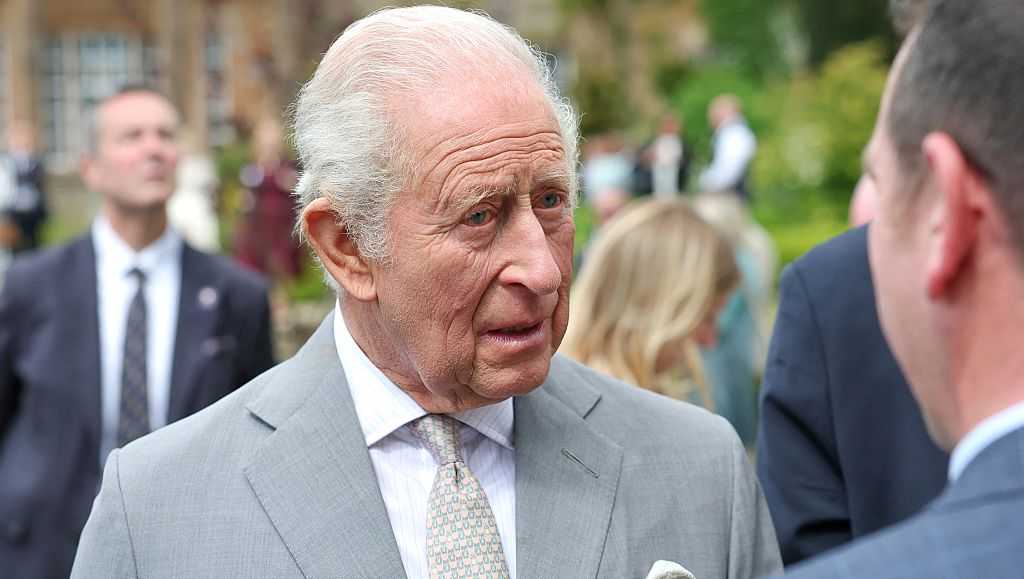
In London, a U.K. radio station issued an apology after it mistakenly announced the death of Britain’s King Charles III, leaving listeners confused and the station scrambling to explain what went wrong. The misstep prompted immediate backlash from the audience and questions about how such a serious error could be broadcast in the first place. This piece looks at what happened, why it matters, and how broadcasters can avoid a repeat.
The error began during a routine bulletin when an incorrect death notice for King Charles III went on air, apparently by mistake. Staff later told listeners the announcement was wrong and apologized to Britain’s King Charles III and to the audience. The live correction did little to calm people who had already heard the false report.
For many listeners the stunt, whether accidental or not, felt surreal and unsettling. Social media filled with confusion and indignation, and callers complained to the station within minutes. That immediate reaction underlines how quickly trust can be eroded when outlets get basic facts wrong.
Broadcasters face two central responsibilities: verify before you air, and correct swiftly when you’re wrong. The station did issue an apology, but an apology does not undo the damage or the hours of anxiety for anyone who heard the false news. Regaining credibility will require clear changes to how breaking items are checked and approved.
Errors like this also spotlight the technical and human pitfalls in modern newsrooms. Automation, copied scripts, and wire-service feeds can speed things up, but they also propagate mistakes fast. Even a single misread line can cascade into a national scramble if there isn’t a reliable verification pause.
Regulators and industry watchers are likely to take note, since false death announcements are not a small slip. Rules and fines do exist to discourage reckless reporting, and the incident might draw questions about whether the station followed established safeguards. Either way, internal reviews are expected and listeners will want to see results.
There’s a wider lesson here for everyone who consumes news: double-check major claims and wait for confirmation from multiple reputable outlets. A headline or a live read can be wrong, and rushing to judgment only spreads misinformation. The best defense against confusion is a habit of cautious skepticism paired with quick follow-up when official channels clarify the situation.
Staff morale at the station will also matter. On-air mistakes can be bruising for presenters and producers who were simply doing their jobs when a bad item slipped in. Training, clearer handoffs, and a culture that rewards verification over speed are practical fixes that help prevent repeat incidents.
For public figures like King Charles III, false death reports have a particular sting. They create personal distress, invite unwanted speculation, and distract from the real business of governance and public life. Even if made in error, such announcements ripple outward and can complicate official responses.
Listeners deserve better, and broadcasters should treat this as a wake-up call rather than an isolated embarrassment. Expect the station to outline the steps it will take, and for industry bodies to remind outlets of their duties. Ultimately, restoring confidence will take more than words; it will take visible changes and cleaner processes.