As Dallas-area airports brace for a World Cup passenger surge three weeks out, this story outlines staffing shortfalls at the Transportation Security Administration, reactions from aviation security expert Jeff Price, comments from Homeland Security Secretary Markwayne Mullin, and how Dallas Love Field and Dallas Fort Worth International Airport are preparing for potentially longer lines and ripple effects across the nation.
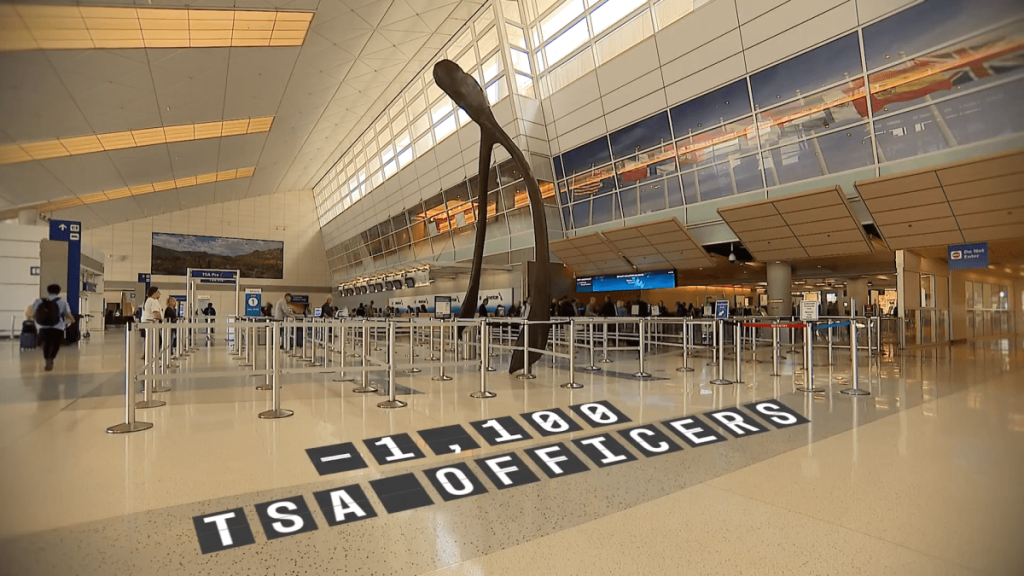
The Department of Homeland Security reports that about 1,100 TSA agents left the agency nationwide during the recent DHS shutdown, a loss officials say has left gaps just as travel demand spikes. That departure raises hard questions about whether checkpoints will cope when millions of visitors start moving around the country. Airports and security experts are watching closely because the timing is brutal for ramping up staff. Hiring and training new officers takes months, not weeks.
TSA itself put the problem bluntly on social media, writing, “…this loss has SIGNIFICANTLY decreased TSA’s ability to meet passenger demand and left critical gaps…” That exact line has spooked travelers and airport managers who now must weigh contingency plans. When a federal agency signals capacity issues, it changes how airports plan operations and how travelers decide when to arrive. The plain fact is fewer agents mean tighter margins for error on busy days.
Jeff Price, an aviation security expert, warned that staffing shortfalls cut into safety. “Anytime you have less personnel in the security system, when they’re supposed to be a certain number, that reduces the level of security you can provide,” Price said. He added that overworked officers covering multiple roles drive down overall system resilience. Fatigue and stretched assignments can create vulnerabilities that are hard to spot until something goes wrong.
Price also pointed out the practical limits on surge staffing for events like the World Cup. With about four months needed to hire and train a new TSA officer, there’s little chance of a meaningful influx of qualified staff before travel peaks. That reality forces airports and federal partners to rely on overtime, reassignments, and coordination rather than fresh hires. Those measures help, but they are not the same as fully staffed checkpoints staffed with fresh personnel.
Homeland Security Secretary Markwayne Mullin posted a video on X addressing the scale of the challenge and the department’s plans. “There’s going to be 5-7 million visitors traveling across 11 cities…,” Mullin said, acknowledging the sheer volume of travelers expected. Mullin added, “We’ve got a whole team set up that’s going to be taking care of all these passengers. Hopefully, we can move them fast and move them secure. And make sure the World Cup is a great experience for everybody,” Mullin said in the video. His comments aim to reassure, but the staffing numbers undercut the optimism for some observers.
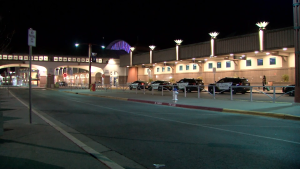
Locally, North Texas airports are not taking chances. Dallas Love Field warned passengers that security wait times could match or exceed peak holiday levels and cautioned that recommended arrival times could increase when the World Cup begins. Dallas Love Field told NBC 5 Investigates, “Wait times may be similar or higher compared to peak holiday travel times” and said, “Recommended arrival times could increase once the World Cup begins…” The airport currently recommends arriving at least two hours before departure for domestic flights, and travelers may need to build in more buffer time.
Dallas Fort Worth International Airport offered a firmer tone about its local experience during the shutdown, saying it did not see major checkpoint staffing impacts and that operations continue as usual. A spokesperson for Dallas Fort Worth International Airport said “…DFW did not have substantial checkpoint staffing impacts during the recent government shutdown…” and added, “…we continue to operate normally.” Still, DFW is asking passengers to show up early, advising two hours for domestic flights and three hours for international travel as a precaution.
Even if Dallas-area checkpoints keep moving, the aviation network is interconnected, and problems elsewhere can create cascading delays. “The whole aviation system is fragile,” Price said, reminding readers that delays and staffing gaps in one city can ripple across dozens of airports. With 11 U.S. host cities for the World Cup, a staffing shortfall or operational glitch in one hub could cause delays that compound across the continent. That risk keeps airport operations teams and federal partners on high alert.
Airports in the region say they are coordinating with federal officials and testing contingency plans. Love Field has run tabletop exercises and says it has a backup baggage screening system ready if needed. Both Love Field and DFW report ongoing collaboration with TSA and DHS to manage surges and keep lines moving. These preparations aim to blunt the worst-case scenarios, but staffing realities still set real limits on what can be done on short notice.
For travelers, the immediate takeaways are practical: expect possible longer waits, arrive earlier than usual, and prepare for the chance that holiday-like lines could show up on normal travel days. Officials are asking patience and planning from the public while agencies try to stretch resources to cover a once-in-a-generation sports event. NBC 5 Investigates will continue to monitor how these staffing shortages affect screening, wait times, and airport operations as World Cup travel begins.
Note: AI was used to help convert this story to a print version from an original broadcast script written by a reporter. This version was then edited by a reporter prior to publishing.