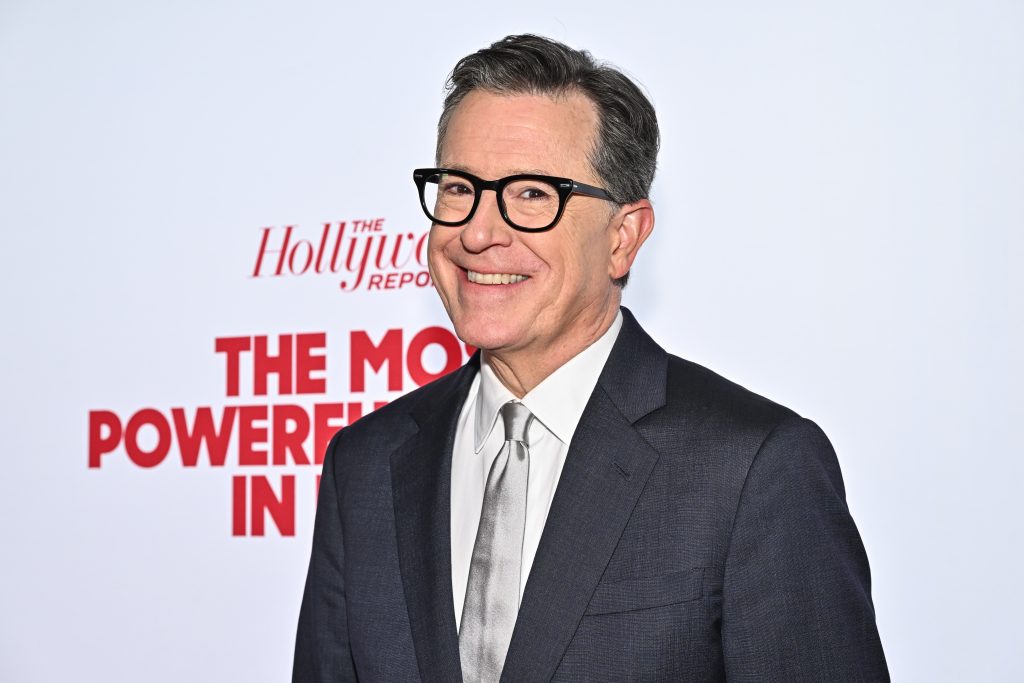
Stephen Colbert signs off from The Late Show on CBS this Thursday, closing a chapter that has drawn guests such as Michael Keaton, Jon Stewart, Julia Louis-Dreyfus, Steven Spielberg, David Byrne and Bruce Springsteen. The finale arrives after months of planning inside the studio and a broader corporate drama involving Paramount, a $16 million settlement tied to Donald Trump, and a pending sale to Skydance Media. Voices from academia and the business side, including Dustin Kidd of Temple University, say the end of the network’s 33-year late-night franchise feels about more than numbers.
Colbert’s final episode is the last act in an 11-season run that made him the ratings leader in late-night TV. Crew and talent have clearly been given time to make the send-off count, and the show spent its last weeks inviting big names and staged stunts to lean into the farewell vibe. Viewers have already seen offbeat bits like turning “It’s Raining Men” into “It’s Raining Fish,” the kind of surreal touch that became part of Colbert’s signature.
CBS announced the decision to end The Late Show last summer, framing it mainly as an economic move tied to the costs of producing network late-night. That explanation sits uneasily with the fact that Colbert routinely outperforms competitors in key demos, and that paradox has kept discussion alive outside the studio. Many people, including Colbert himself, have pointed to repeated attacks by Donald Trump as a complicating factor rather than an unrelated coincidence.
The corporate backstory adds fuel to those questions. Paramount paid $16 million to settle Trump’s lawsuit over a “60 Minutes” interview while the company awaited approval for a planned sale to Skydance Media. Colbert publicly labeled that payment a “big fat bribe.” That sharp language cut to the heart of what many saw as a crossroads between media content and corporate strategy.
Dustin Kidd, a professor of sociology at Temple University, argues the cancellation doesn’t line up cleanly with an economic-only explanation. He points out that political pressure has been applied to the show for years, and that pressure can shape executive decisions in ways that balance on more than spreadsheets. “I would argue that it’s answerable, frankly, through politics,” Kidd said.
From a conservative viewpoint, the sequence of events invites skepticism about how editorial stances and political attacks intersect with corporate decision-making. It’s reasonable to ask whether a show that frequently lampooned a high-profile political figure was suddenly more expendable once corporate priorities shifted. At the same time, networks must respond to shareholders and buyers, and that reality can force choices that frustrate viewers and talent alike.
On Thursday night, Colbert’s final episode will air opposite reruns of ABC’s Jimmy Kimmel Live! and NBC’s The Tonight Show with Jimmy Fallon, both of which are not running fresh episodes at that hour. That programming slate highlights how stripped-down late-night lineups have become on major networks as they juggle costs and content strategies. CBS plans to slot Comics Unleashed, a story-driven comedian show hosted by Byron Allen, into The Late Show’s old hour.
Byron Allen has publicly vowed to avoid politics, a deliberate editorial position that contrasts with Colbert’s politically charged approach. That shift in tone illustrates how networks can pivot their brand identity by choosing programming that reduces controversy and potential corporate headaches. In a media climate where a single lawsuit or settlement can change ownership dynamics, avoiding politics is an obvious survival tactic.
Colbert leaves television while still at the top of his ratings game, which complicates any neat, money-only explanation for the cancellation. Industry watchers note that late-night economics are fraught: production costs, advertising shifts, and streaming competition all compress margins. The additional variable of legal entanglements and public feuds makes square explanations even less likely.
The specifics of the farewell episode were kept under wraps, and that secrecy has fueled speculation about stunts, surprise guests and callbacks across Colbert’s run. The presence of heavy hitters like Steven Spielberg and Bruce Springsteen in the final week suggests producers wanted the night to feel like a cultural moment rather than just another broadcast. For viewers, that means a send-off designed to be talked about the next day.
What this decision signals for late-night hosts going forward is a cautionary tale: political comedy can win audiences but may also expose talent and networks to heightened scrutiny when corporate priorities shift. Advertisers and buyers watch tone and controversy closely, and networks often respond by recalibrating lineups to be less combustible. That rebalancing will affect creative choices for years to come.
Fans and critics alike will debate whether The Late Show’s end was inevitable or avoidable, and many will point to the tangled mix of ratings, media lawsuits and corporate sales as the true story. Colbert’s exit is sure to leave a mark on the late-night landscape, even as CBS moves quickly to fill the void with safer, less political programming. The immediate result is clear: new faces and formats will step into the hour that once belonged to one of late night’s most outspoken hosts.