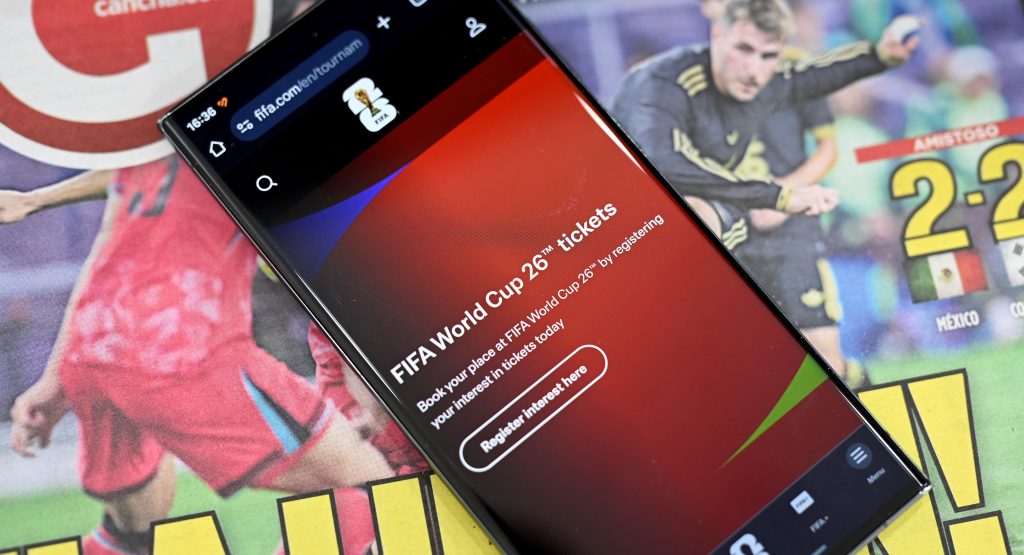
The FIFA ticket market has cooled a bit lately, with data showing a 23% drop in available tickets across host cities over the last 30 days, according to brokers and event officials tracking the selloff. Market players from primary brokers to venue managers are watching closely, and many expect interest to pick up again as match dates get closer. This piece looks at why the dip happened, what brokers are seeing on the ground, and how timing and price moves might flip the script before kickoff.
Ticket scalpers and official resellers reported a clear decline in listings and bids, a sign that early-season enthusiasm has settled into a steadier beat. That 23% figure is notable because it reflects activity across multiple host cities rather than a single market blip. Brokers say the drop is part seasonal, part strategic as sellers recalibrate pricing after an initial wave of listings at premium levels.
One reason for the slowdown is inventory timing, plain and simple. Many fans who planned early bought their seats and then paused, while speculative sellers trimmed supply to test whether higher prices would stick. At the same time, official ticket windows and team packages remained a strong magnet for some buyers who prefer guaranteed seats to the resale gamble.
Price dynamics played a role too, with several markets seeing sticker shock when top matches first hit resale platforms. When initial asking prices don’t match what casual buyers expect, listings can sit and cause aggregate activity to fall. Brokers told event managers they were watching for a price correction rather than a collapse, betting that rationalized asking prices would drive renewed buyer interest.
Another factor is calendar psychology: fans tend to wait until the bracket narrows or their team’s path becomes clearer before committing to travel and big-ticket purchases. That hesitation compresses demand into the window closer to match day, which could reverse the current downward trend. Officials in host cities are preparing for those last-minute surges, lining up staffing, transport options, and arena services to handle short-notice volume.
Secondary markets are sensitive to news cycles, and teams advancing or injuries to star players can swing sentiment quickly. Brokers said a single high-profile matchup or a surprise underdog run will lift prices and listings overnight. For now, the 23% dip looks more like a pause than a permanent downturn, and professionals are positioning inventories to capitalize on any sudden uptick.
For casual fans this lull can be an opportunity. Waiting buyers may find better deals as sellers lower prices to generate movement, especially on midweek fixtures and less central seating. If you are flexible on dates or seats, that strategy could save money, but it brings the risk of missing out if demand spikes close to game day.
Event organizers are watching the resale metrics as a signal of overall health, because ticket velocity affects everything from local hotel bookings to transit planning. Several city officials told venue teams to expect the volume curve to shift and to plan resources accordingly. If demand does surge, the pressure will be on quick but orderly responses to avoid fan frustration in busy host cities.
Brokers remain optimistic, arguing that as the tournament progresses and matchups firm up, the natural market reaction will be increased buying and higher prices. They are steeling for that window and adjusting supply accordingly, while reminding buyers that the closer you wait to purchase the more unpredictable the market becomes. For now, the 23% drop is a headline number, but the full ticket story is still unfolding in real time.