Larry Bushart and a figure named Kirk are at the center of a case that raises questions about online speech, social media moderation, and criminal enforcement. This article walks through what happened, why the memes mattered, the legal lines that get crossed, and the practical choices people face when they post provocative content. It focuses on the September arrest of Larry Bushart and the wider implications for anyone sharing violent jokes or threats online.
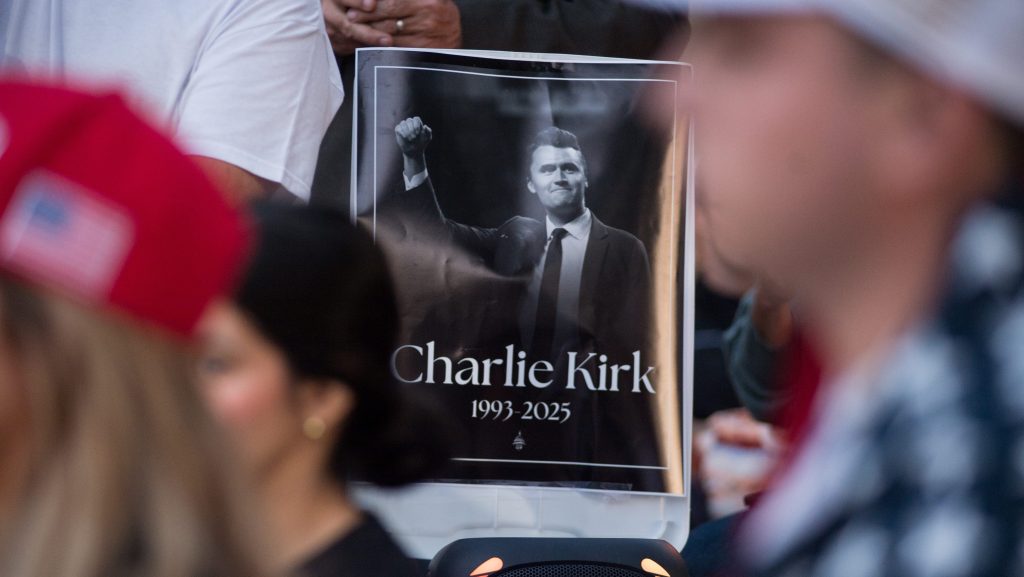
Larry Bushart was arrested in September after he refused to take down Facebook memes that joked about Kirk’s killing. That line, short and blunt, changed online banter into a law-enforcement matter. The stubborn refusal to remove those images is the kernel of the legal drama and the reason charges were brought.
At issue is the difference between tasteless satire and a criminally actionable threat. Courts often look for intent and the likelihood that a reasonable person would feel threatened, and that assessment changes with context. A meme shared in a private thread looks different to prosecutors than one posted publicly and repeatedly after demands to remove it.
Social platforms like Facebook have two separate roles here: a content-moderation one and a cooperation-with-law-enforcement one. Platforms will take down material for violating community rules, but they also preserve evidence and can hand it over when served legal requests. That dual function means online posts can quickly escape the casual sphere and enter official investigations.
Refusing to comply with takedown requests makes a post more visible and more problematic legally. That refusal can be framed as intent to provoke or to further an unlawful plan, depending on what else is happening around the posts. When someone doubles down, prosecutors can argue the person knew the content was dangerous and kept it out of stubborn defiance.
There are obvious public-safety concerns when jokes center on killing a named person like Kirk. Authorities have to weigh free expression against actual harm and the realistic chance of violence. The presence of a real target, repeated posts, or specific details pushes the needle toward investigation and possible charges.
Defense arguments commonly stress satire, protected speech, and lack of real intent to carry anything out. Lawyers can point to context, tone, and the poster’s history to argue there was no true threat. But legal outcomes are unpredictable because juries and judges interpret tone and context differently, especially with internet culture in the mix.
The practical lesson is simple: online content can have offline consequences, fast. What someone treats as a joke can be treated as a criminal matter, and that risk increases when the target is a real person and the content is public. Deleting a post promptly when asked or avoiding posts that imagine harming named individuals is a small step that can prevent big problems.
Beyond the individual case, this incident feeds a broader debate about where responsibility should sit: with users who post, platforms that host content, or authorities who enforce laws. Each actor has a different set of incentives and limits, and the current system forces them to interact under stress when an inflammatory post goes viral. Until clearer norms or laws emerge, high-profile arrests over social posts will keep testing those boundaries.