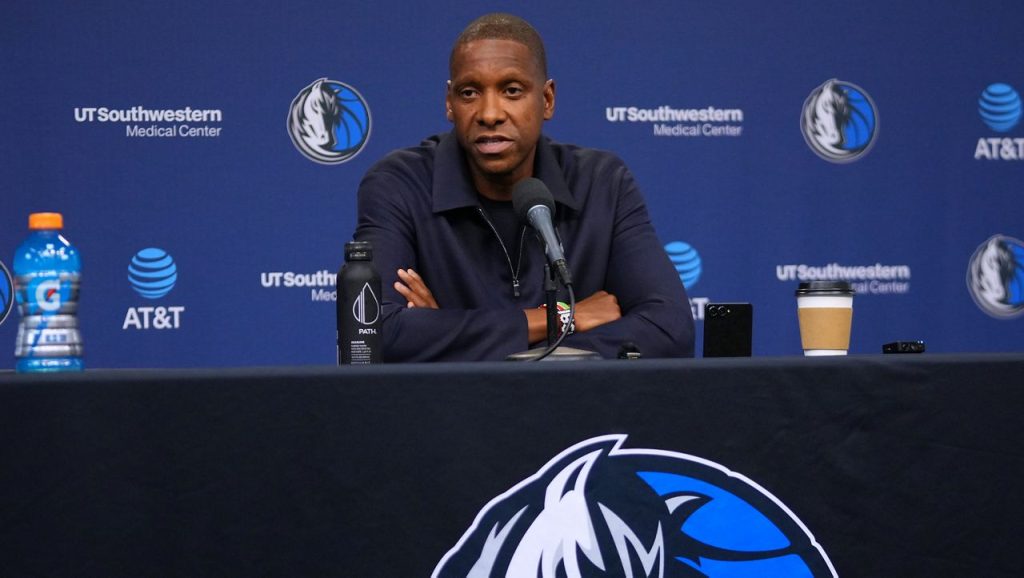
Masai Ujiri, speaking in Dallas on May 20, 2026, announced that he made the call to part ways with coach Jason Kidd, outlining a desire to reset the Mavericks’ direction. The move follows seasons that included a 2024 trip to the NBA Finals, the February 2025 trade that sent Luka Dončić to the Los Angeles Lakers for Anthony Davis, and roster shifts involving Kyrie Irving and rookie Cooper Flagg. Ujiri also confirmed front-office changes, including hiring Mike Schmitz as general manager and the departure of Matt Riccardi, while flagging possible roles for Michael Finley as the team reorganizes.
Ujiri framed the Kidd decision as part of a larger effort to reshape Dallas’ trajectory and said it was a tough choice that he owned. He said the club needed clarity and a unified direction after recent upheaval, and he stressed the importance of accountability as he reorients the organization. “Being transparent with everybody, I think a new slate was a good way to look at this,” he said during the news conference.
Asked about the high-profile trade that sent Luka Dončić out of town, Ujiri was explicit that the transaction did not drive the coaching change. “Honestly, that trade has played no part in how I have thought about anything,” he said, adding that he was not in a position to fault or fully investigate past moves. Ujiri emphasized moving forward from the fallout and owning the decisions that lie ahead for the franchise.
Jason Kidd leaves Dallas after five seasons on the sideline with a .500 regular-season record of 205-205 and several deep playoff runs, including the 2024 Finals appearance. The Hall of Fame point guard returned to a franchise he once helped win as a player and oversaw periods of success mixed with missed-postseason campaigns. Ujiri stopped short of detailing private conversations he held with Kidd after arriving in town two weeks earlier.
The club’s roster history over the past two years looms large: Dončić was traded to the Lakers for Anthony Davis during the 2024-25 season, a deal that coincided with missed playoff berths. Davis suffered ongoing injuries and was later traded while sidelined, leaving Dallas to rebuild around younger pieces. That sequence of transactions and setbacks is central to the franchise’s current reset and to the decisions Ujiri says he must make.
Young forward Cooper Flagg is already at the center of Ujiri’s vision for the future after earning Rookie of the Year honors following his top-pick season at Duke. The organization has spoken publicly about building around Flagg’s long-term potential and discovering the best supporting pieces around him. There is obvious curiosity inside the front office about how veteran talent, health permitting, can mesh with Flagg’s development on and off the court.
Kyrie Irving’s recovery and fit with the roster remain an open question after he tore the ACL in his left knee in March 2025 and missed the entire following season. Irving, who enjoyed a career revival in Dallas under Kidd before the injury, is now awaiting word on the coaching vacancy and the broader strategic plan. “Kevin Durant once told me that there’s only one Kyrie walking around in the world,” Ujiri said. “I think we have to figure out a way, how Kyrie fits with our program. And I’ve had those conversations with Kyrie. And I think Kyrie will fit. As I said it before, there’s a huge curiosity in our minds to see how Kyrie fits playing with Cooper Flagg.”
On the personnel front, Ujiri announced Mike Schmitz as the new general manager shortly after his own introduction and confirmed that Matt Riccardi, who had served as co-interim GM, is leaving the Mavericks. The club is also discussing a role for former player Michael Finley, whose status has been in flux since the front-office shake-up last fall. Ujiri indicated he plans to be hands-on in rebuilding the front office and aligning management with the team’s new plan.
Letting Kidd go carried a financial cost, partly because the Mavericks had extended him during the 2024 playoffs and again after that season, including denying another franchise the chance to pursue him. Ujiri repeatedly returned to the theme of responsibility as he explained the tough nature of the choice. “What he’s done for this organization we truly respect, so this was a very, very tough decision,” Ujiri said. “I have to be accountable with a decision like this. I also have to be very active in how I look at the organization from top to bottom.”
Ujiri closed by underlining that he expects to steer Dallas toward a coherent plan and accept the consequences of the moves he makes. He promised to shoulder responsibility for upcoming choices while searching for the right mix of personnel and leadership. “I am going to sit here and take responsibility for any of the decisions that we are going to make,” he said, signaling a hands-on approach as the franchise attempts to regroup in Dallas.