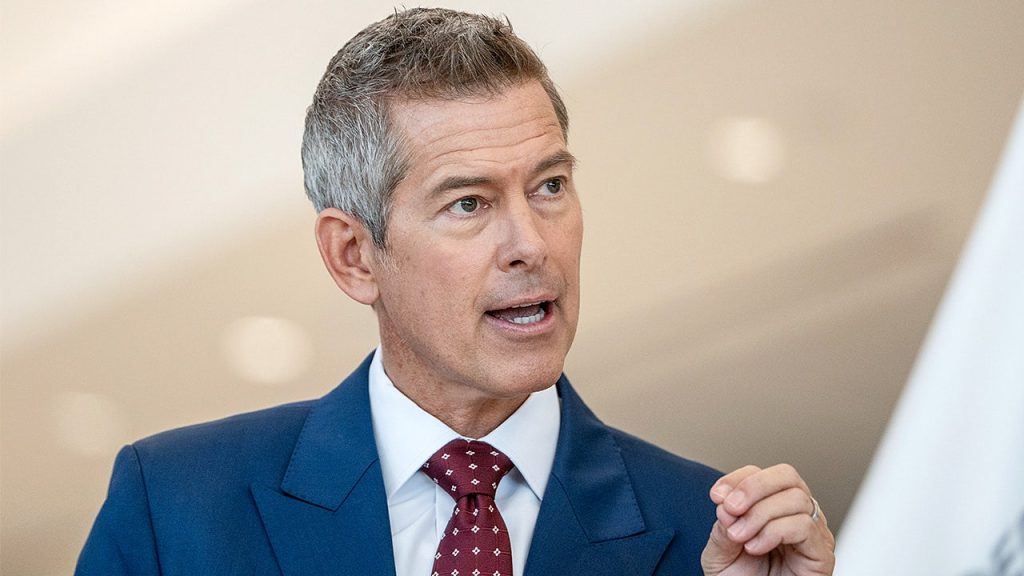
Transportation Secretary Sean Duffy faced pushback from Sens. Patty Murray and Kirsten Gillibrand during a Senate Appropriations Committee hearing over his participation in the nonprofit-backed Great American Roadtrip tied to America 250. The senators accused him of taking corporate-funded hospitality while Americans deal with sticker shock at the pump, and Duffy fired back by pointing out large donations those senators have received from industries the government regulates. The exchange touched on donors like Toyota, Boeing, Enterprise and Pfizer, and it played out with Duffy defending the trip as a bipartisan push for tourism and unity.
The hearing turned into a classic partisan sparring match, but one that also raised real questions about optics and influence. Duffy’s road trip, a 10-state family tour sanctioned by the America 250 commission, was turned into a five-part YouTube series and funded through a nonprofit that accepted corporate contributions. That fact made for a juicy target in the hearing room, but it does not automatically equal corruption.
Sens. Patty Murray and Kirsten Gillibrand zeroed in on the funding, and they did so loudly. “You’ve been recording a promo of yourself and not working to lower the cost, so this show is incredibly out of touch with where Americans are,” Murray said. “It really raises some serious ethics concerns about who you answer to, because the people organizing your show solicited corporate sponsors and promised rewards at each level of funding.”
Duffy answered not by dodging the question but by flipping it. He pointed out the flow of campaign money to the very lawmakers who were lecturing him, suggesting we should be equally skeptical when regulators profit from cozy relationships. “If someone from the healthcare industry gives you $2 million, what do they get for it?” Duffy countered to Murray, referring to campaign donations.
He kept the pressure on and called out specific sums, forcing a contrast most Americans will find familiar: politicians chastising others while their own coffers brim from industry checks. “You have jurisdiction,” Duffy continued. “I do not. You have jurisdiction. $2 million to put your face on TV, to buy steak dinners. Dinners, to go on vacation.” He even named donors by dollar amounts to make the point concrete, saying, “Pfizer gave you $102,000,” Duffy said.
Gillibrand framed Duffy’s participation as a vacation funded by people he regulates, insisting, “It shouldn’t be paid for by people that you oversee.” Duffy returned fire by noting that her campaign has received millions from law firms and attorney groups. She pushed back, saying her donations were irrelevant to the hearing, stressing, “This hearing is about you and this administration,” Gillibrand told Duffy. “This hearing, you are the witness. I am not the witness.”
The back-and-forth got personal, as these hearings often do, but it served a political purpose for Duffy. He used the exchange to underline what he says is a double standard: critics who accept money and perks are quick to lecture others about propriety. He accused Gillibrand of private flights and expensive dinners paid for by groups aligned with her political interests, while she denied flying private despite reported charter spending.
Beyond the theater, Duffy made a substantive argument about national unity and tourism. He emphasized that the Great American Roadtrip aimed to showcase towns and businesses and to remind Americans of shared pride in place. “As we can see from this hearing, there’s a lot of partisanship in America,” Duffy said. “Seeing your country, experiencing your country through the window of a car is a beautiful thing. It actually unites America.“
At its best, the idea of promoting domestic travel during America’s 250th feels practical: help small businesses, boost tourism, and remind people the country is bigger than daily political fights. At its worst, any public official stepping into a sponsored media project invites suspicion. Duffy’s response has been to call out the hypocrisy he sees and to insist his intention was civic, not corporate.