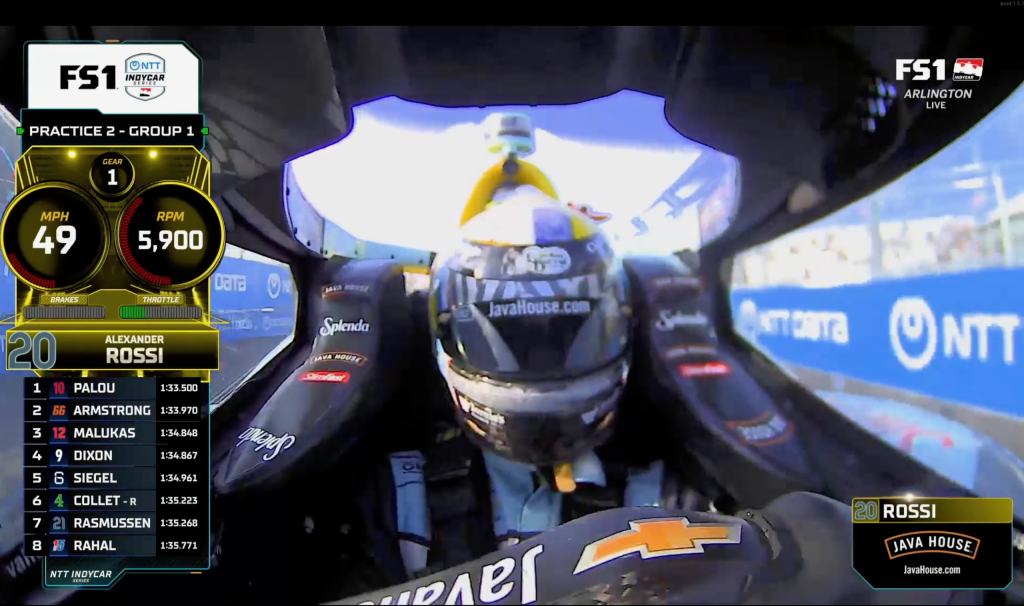
Fox Sports is rolling out a new in-car camera described as a ‘Top Gun’ angle for its Indianapolis 500 telecast, aiming to give race fans a cinematic, cockpit-level experience at Indianapolis Motor Speedway. The move is one of several production upgrades Fox is implementing for its Indy 500 coverage, and it highlights how live sports broadcasts are borrowing film techniques to pull viewers deeper into the action. This piece looks at what the camera promises, how it will change what viewers see, and why the Indy 500 is the right stage for a bolder visual approach.
The new in-car camera trades the flat, functional view we’ve grown used to for something that feels cinematic and immersive. Fox Sports plans to position the lens and stabilization gear to capture not just the steering wheel or dash, but the driver’s perspective and the motion around them, giving viewers the sensation of being inside the car. That shift in viewpoint is meant to make every heart-pounding pass and tight corner feel immediate and alive.
Technically, this camera is designed to handle the brutal vibration and G-forces of an Indy car while delivering smooth, film-like motion. Expect advanced gimbals, rugged housings, and lenses chosen for shallow depth of field that emphasize the cockpit against a blur of speed. Those choices are familiar to anyone who watches modern action movies, and the goal is to translate cinematic language into a live sporting context without losing clarity or safety.
Audio will play a big role in selling the cinematic feel, too, with better in-car mics and mixes that balance engine growl and radio chatter without overwhelming commentary. Fox Sports has been experimenting with audio layering in other motorsports broadcasts, and pairing those techniques with a Top Gun-style camera allows producers to sculpt moments in real time. The result should be a richer sensory experience that still keeps viewers connected to the race narrative and strategy.
Beyond the camera itself, Fox is tweaking its production toolkit to make those visuals more useful to fans and broadcasters alike. Enhanced graphics, faster replays, and tighter integration between in-car feeds and track-side cameras will let producers switch into cinematic shots without sacrificing context. That kind of coordination matters during a 500-mile race where a single camera angle can tell a crucial story about tire strategy or a late charge for the lead.
There are logistical hurdles, of course, from mounting and balancing the camera to ensuring it does not interfere with a driver’s view or safety equipment. Teams and officials at Indianapolis Motor Speedway will have to sign off on rigging and testing, and engineers will likely iterate on placement leading up to race day. That testing period is critical because a stunning angle is worthless if it risks a red flag or distracts drivers at 230 miles per hour.
Fans should also expect careful editorial choices so the new footage enhances rather than overwhelms the broadcast. A cinematic shot works best when used sparingly to punctuate big moments rather than as a constant filter over every lap. Producers must balance drama with clarity, making sure viewers know whether they are watching raw in-car perspective or a stylized replay meant to highlight drama.
The Indy 500 has always been about spectacle and innovation, from instant replays to telemetry overlays, and this camera feels like the next evolution in that tradition. Fox Sports is betting that filmic, cockpit-level storytelling will help modern audiences connect with the sport in a more visceral way while keeping broadcast fundamentals intact. If the upgrade performs as promised, race day coverage at Indianapolis Motor Speedway will look and feel more cinematic than ever before.