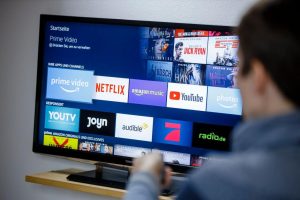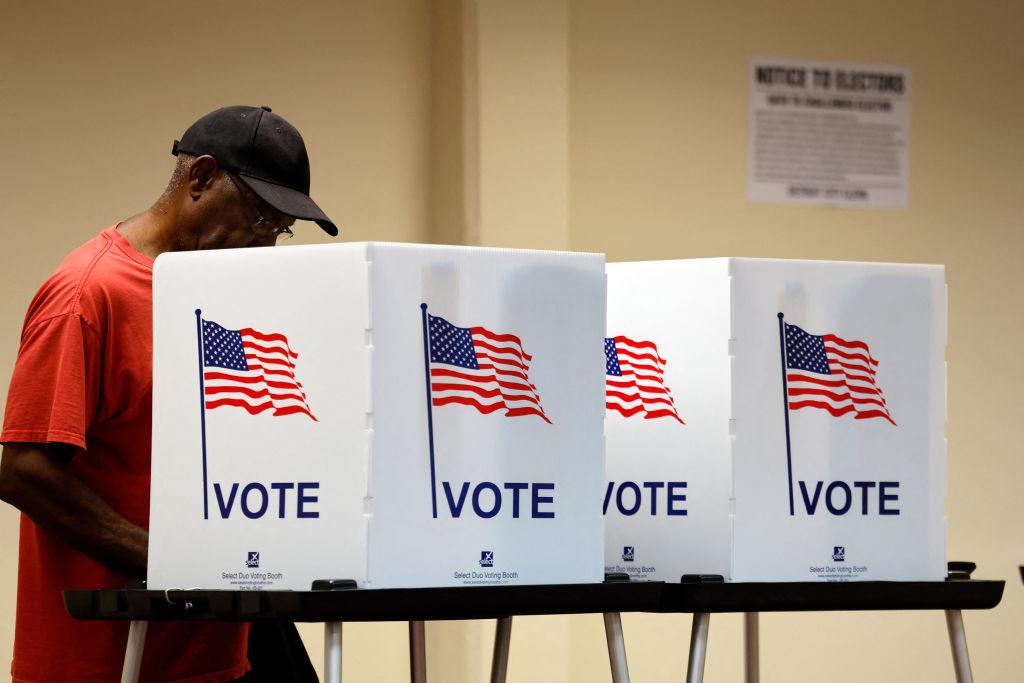
The story covers DSPolitical’s new tie-up with FreeWheel to bring political advertising to connected TV, and why campaigns and voters should pay attention; it mentions campaign targeting, data-driven reach and a photo by JEFF KOWALSKY that originally showed early voting in Detroit, Michigan. The partnership promises more precise voter targeting on streaming platforms, and it raises questions about transparency, fairness and how campaigns use ad tech. This piece looks at what the deal means for campaign strategists, voters, and the rules that should govern political ads on TV-like streaming services.
DSPolitical and FreeWheel are linking data and video inventory to let campaigns run targeted ads on connected TV. That sounds like a straightforward boost for campaign efficiency, because CTV reaches people in living rooms the way broadcast did but with far better audience signals. For Republicans who prize direct voter contact, better targeting means getting messages to persuadable voters without wasting scarce ad dollars.
On the flip side, precision advertising on CTV magnifies a few risks that deserve attention right now. When platforms and data partners control who sees which political messages, we need ironclad transparency so campaigns and voters both know what’s happening. Without aggressive disclosure standards, powerful ad stacks could quietly steer the debate by shaping who hears which facts or arguments.
This partnership stitches together voter data and premium streaming screens, which should make audience measurement more useful for campaigns. That matters for small and medium campaigns that have to stretch every dollar and can’t afford blanket buys on cable or broadcast. Still, measurement must be auditable and consistent so candidates on both sides can verify results and challenge mismatches.
Privacy concerns always bubble up when voter data gets involved, and this is no exception. Responsible use means targeting based on publicly available voter files, not secret consumer dossiers that mash together unrelated personal behavior. Campaigns that respect privacy will earn trust, while those that rely on opaque profiling risk backlash and invite stricter regulation.
There’s also a competitive angle. Big ad tech players already tilt the playing field with scale and deals that smaller vendors cannot match. Republicans should push for rules that keep the marketplace open so conservative campaigns are not squeezed out by preferential access or algorithmic gatekeeping. Level rules benefit the marketplace and the voters who deserve a full view of competing ideas.
FreeWheel brings premium video supply and distribution expertise, while DSPolitical adds political targeting and compliance tools designed for campaigns. That combo can speed up execution and reduce wasted impressions, two things campaigns value deeply. But efficiency should never replace accountability, and both firms will face pressure to publish how they target and why certain viewers are chosen.
Regulators and lawmakers will watch this closely, and they should. Smart policy should preserve the right of campaigns to communicate while requiring clear disclosures about who funded an ad, how viewers were chosen, and what data sources were used. Those guardrails protect both voters and the integrity of the marketplace without muzzling political speech.
For campaign managers, the tactical takeaway is simple: test CTV early, measure rigorously, and insist on transparency from partners. Running A/B tests, validating measurement against independent benchmarks, and keeping compliance records will be table stakes. Campaigns that adopt disciplined data practices will get the most value while reducing legal and reputational risk.
Voters should demand clarity about the ads they see on streaming devices, and reporters should treat CTV spots the same way they treat TV commercials. If an ad is political, it needs a clear sponsor and a public footprint that researchers can analyze. That kind of openness strengthens democracy and helps voters evaluate claims instead of letting sophisticated ad stacks quietly shape perceptions.
Ultimately, this deal is a reminder that technology changes how campaigns reach people, but it does not change the basic need for rules that protect fairness and transparency. DSPolitical and FreeWheel can make modern campaign work more efficient, but everyone involved should make sure those gains do not come at the cost of a fair, accountable political marketplace.