More than 100 history, cultural and humanities leaders from across the state, including voices in Clark County and Dayton, have sent a letter to U.S. Sen. John Husted asking for stronger federal support and protections for National-level cultural resources. The coalition brings museum directors, historical society chairs, museum curators and community historians together to press a single point: protect our shared past while being mindful of taxpayers. This piece walks through what those leaders want, why it matters to towns like Dayton and counties such as Clark County, and what a pragmatic response from Washington should look like.
The letter represents a wide coalition that says local history matters for identity and the local economy. These leaders argue that federal recognition and targeted funding often unlocks preservation projects, tourism dollars and classroom programs that smaller municipalities cannot fund on their own. They make the practical case that history is an investment that pays back in education, jobs and civic pride rather than an abstract luxury.
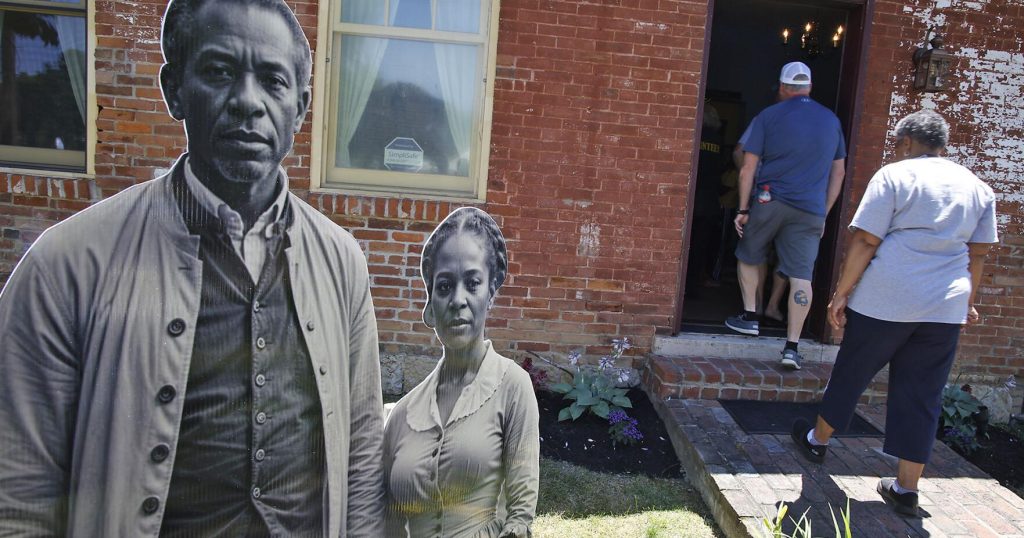
People in Clark County and Dayton know the value of pride in place because they see it every day in community events, school field trips and restored buildings. When a museum reopens or a battlefield gets proper markers, local businesses notice more visitors and parents notice more kids asking questions about where they live. That kind of momentum does not happen by accident, and it does not happen without reliable, predictable support for preservation work.
From a Republican point of view, stewardship does not mean endless federal handouts or top-down mandates from Washington. It means using federal tools wisely to leverage private dollars, strengthen local control and make sure taxpayer money produces measurable results. The leaders who signed the letter want programs that require accountability, clear project goals and local matching funds so communities shoulder part of the responsibility.
Sen. John Husted now faces a choice about how to respond to a bipartisan concern that has real consequences for towns across the state. A thoughtful answer would back targeted federal support while insisting on transparency and local partnership. That combination respects taxpayer concerns while recognizing that some things are best handled with a mix of local initiative and federal help.
Preservation advocates emphasize concrete benefits: jobs in conservation trades, museum staff, interpretive programming and the tourist dollars that sustain cafes, lodgings and small shops. Those are real payrolls and real sales tax receipts that matter to county commissioners and school boards. When Dayton restores a heritage site or Clark County refurbishes a landmark, families see the value in maintaining their town for future generations.
The letter asks for protections and funding that are predictable, not sporadic or political. Predictability is how a preservation nonprofit plans staff, restoration timelines and educational outreach for local schools. If grants arrive in bursts or vanish with election cycles, local groups cannot make long-term commitments or match funds efficiently.
Across the state, leaders stress local decision making. They are not asking Washington to run their museums. They want federal recognition that helps leverage private donors, state funds and volunteer labor while leaving operations in local hands. That approach keeps decisions close to the people affected and reduces the risk of wasteful, one-size-fits-all federal programs.
One pragmatic path forward would be to tie federal resources to measurable outcomes like increased student engagement, job creation in heritage trades and growth in heritage tourism. Those metrics answer both the civic purpose and the fiscal responsibility questions voters care about. If Sen. John Husted supports clear guardrails tied to results, he can help preserve history while protecting the taxpayer.
Leaders in Clark County and Dayton are counting on a response that recognizes the role of history in economic development, education and civic life. Their letter is a call for partnership, not a federal takeover. If Washington partners wisely, local communities can protect historic sites, grow tourism and teach the next generation why their past matters.