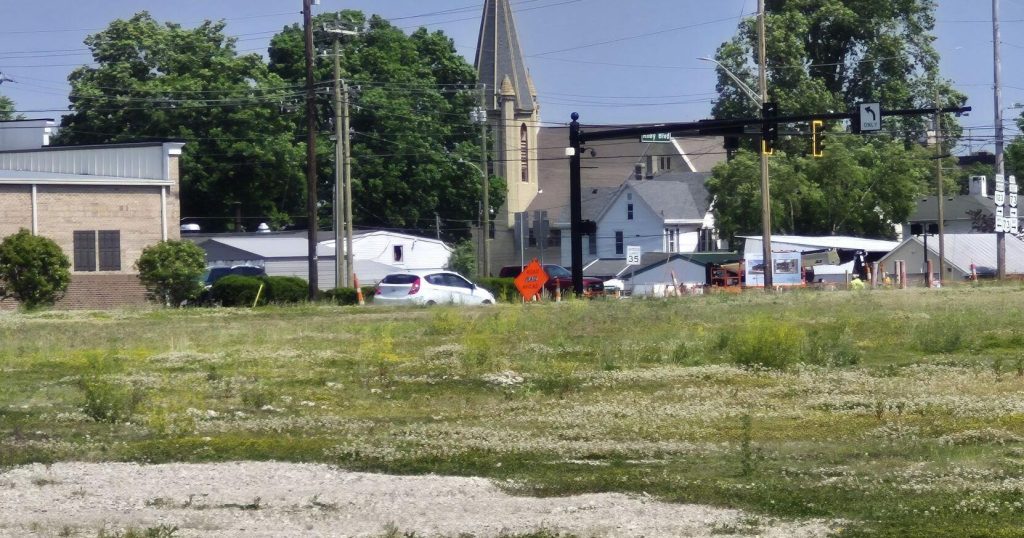
The city of Franklin, Ohio, has won a $1 million award from Ohio’s Brownfield Remediation Program to clean up and breathe new life into its downtown, a move city leaders say will jump-start redevelopment, attract investment, and address lingering environmental issues for residents and businesses in the heart of Franklin.
This grant will fund the cleanup of previously used industrial and commercial sites that have blocked growth and left neighborhoods underused. For downtown Franklin, that means removing contamination, stabilizing properties, and preparing parcels for new projects that could include storefronts, homes, or community spaces. The money is a clear signal that state partners see potential in this small city’s core.
Brownfield remediation is less about glamour and more about practical work: testing soil, removing buried hazards, and ensuring sites meet safety standards before anyone moves in. Those steps are often slow and technical, but they are what developers and lenders need to feel comfortable investing. Franklin’s award makes that safer path forward possible.
Local business owners are already thinking about what comes next once lots are cleared and certified. Vacant storefronts that have sat dormant could become boutiques, cafes, or service businesses that support daily life downtown. For residents, the upside is more job options within walking distance and a stronger downtown tax base to fund local services.
Fixing up brownfield sites also opens the door to mixed-use projects that blend housing with retail and office space, which can help downtown feel not just like a commercial strip but a lived-in neighborhood. That shift can bring more foot traffic, longer business hours, and safer streets after dark. It also makes property values more stable and attractive to long-term tenants.
On the environmental side, remediation reduces long-term liability for the city and protects public health by addressing contamination that might otherwise leach into groundwater or pose risks to people working or living nearby. Cleaner sites mean fewer headaches for future property owners and lower cleanup costs down the road. The project will likely involve routine monitoring and clear documentation to satisfy state standards.
City leaders will need to coordinate zoning, permitting, and design standards to make sure the cleared parcels actually move from empty lots to useful places. That coordination is where municipal planning earns its keep: clear rules and incentives can speed projects and make sure new development fits Franklin’s character. The grant gives the city leverage to shape how downtown evolves.
There’s also a local playbook to follow: successful downtown revivals combine public investment with private capital, often using modest public funds to reduce developer risk. Franklin’s $1 million can act as that seed, covering the messy environmental work that private dollars typically avoid. Once remediation is done, developers often step in with the financing to build.
Community involvement will matter as projects roll out, since residents want projects that create real, everyday benefits and preserve what they value about downtown Franklin. Public meetings, transparent timelines, and clear updates can keep momentum positive and focused. The goal is to turn a technical cleanup into tangible improvements people can see and use.
With the state program’s support, Franklin can clear the path for new investments, safer sites, and a livelier downtown that serves both current residents and future generations. The practical work ahead is detailed and steady, but the payoff could be a downtown that finally matches the community’s ambitions. City officials now face the task of turning this financial boost into visible progress on the ground.