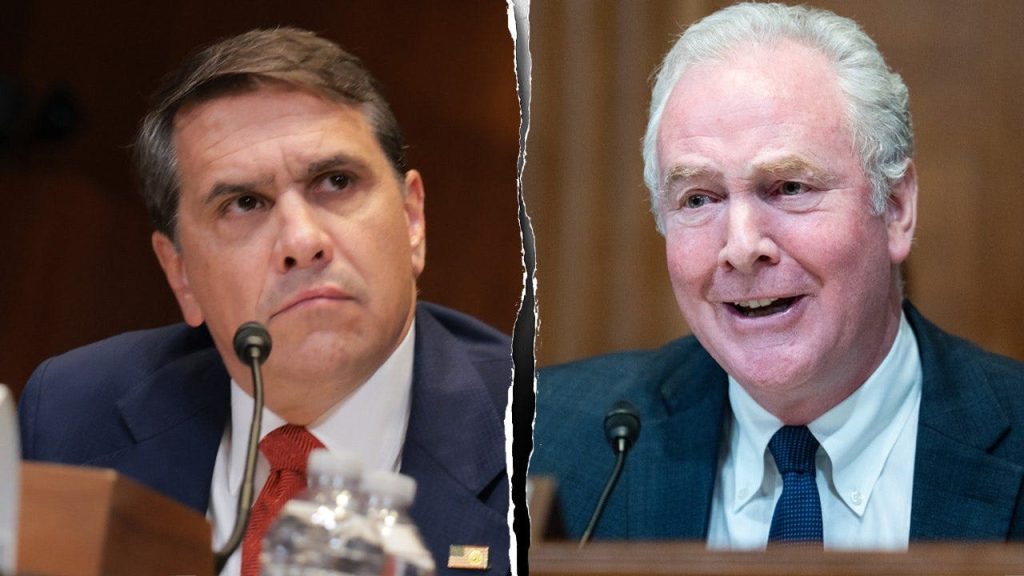
Acting Attorney General Todd Blanche and Sen. Chris Van Hollen sparred during a Senate Appropriations Committee hearing over a newly announced Justice Department fund and whether a Jan. 6 defendant pardoned by President Donald Trump discussed using prospective restitution money to silence victims. The dispute touched on Andrew Paul Johnson’s case and Discord messages cited by Van Hollen, as Blanche pushed back and the debate moved from committee procedure to personal credibility. Florida and the Justice Department were both referenced during the exchange in Washington, D.C.
The hearing was supposed to be about the Justice Department’s budget, but it quickly turned into a fight over narrative and motive. Van Hollen accused the Anti-Weaponization Fund of being a slush fund that would reward allies of President Donald Trump, and he tied that claim to individual promises allegedly made by Andrew Paul Johnson. Republicans in the room pushed back, saying the accusation carried heavy implications and needed careful vetting.
Van Hollen read aloud an affidavit and Discord messages that he said showed Johnson promising victims he would share money if pardoned. He quoted language including “he was being awarded $10,000,000 as a result of being a ‘jan 6’er’” and that Johnson would put the victim “in his ‘will’ to take any money he had left over,” to illustrate a troubling claim. Those lines landed hard in the hearing, because they framed a supposed moral outrage around how clemency might be used.
Blanche did not accept the premise and responded directly to Van Hollen’s line of questioning. “Well, you’re obviously lying in your question, because there’s no way that this person committed to that,” Blanche said, and he insisted the Anti-Weaponization Fund “didn’t exist” at the time Johnson made those comments. The retort was sharp, and it shifted the tone from procedural scrutiny to a personal charge over accuracy.
Tempers flared when Van Hollen pushed back on Blanche’s admonition. “Don’t ever do that again. I am reporting what he said,” Van Hollen said, pointing out that he was relaying the defendant’s own messages. That exchange made clear the hearing was no longer simply about dollars and agency rules; it had become a test of whose version of events would stick in the record and in public perception.
Republicans watching the hearing argued Blanche was right to challenge an assertion that tied the nascent fund to criminal payouts before any rules existed. The fund was announced after the dispute over lawfare claims gained traction, and many on the right see it as a necessary response to perceived politically motivated prosecutions. To them, conflating a proposed mechanism for restitution with an individual defendant’s boast felt opportunistic and misleading.
Democrats, meanwhile, insisted the Department had already taken steps that could make restitution possible for Jan. 6 defendants, and they used Johnson’s statements to raise ethical alarms. The Justice Department’s pardon attorney, Ed Martin, is notable as a Trump administration official who advocated for restitution for those he deemed victims of lawfare, which deepened partisan lines over intent and fairness. Each side kept circling back to whether policy moves would reward wrongdoing or correct a perceived injustice.
Outside the committee room, Florida authorities and federal filings provided the factual spine Van Hollen relied on, but the timing of the fund and the timing of Johnson’s messages mattered to Blanche’s defense. Johnson had been sentenced in March 2026 to life in prison on charges of sexual abuse of minors, making the case exceptionally sensitive and politically combustible. Bringing Florida into the conversation expanded the stakes but did not change the central procedural question raised at the hearing.
The hearing ended with no definitive ruling on eligibility or on whether Johnson or others could receive payouts from any future program, and the fund itself remained a topic of contention. What remained clear was that the fight over this issue will continue, with Republicans defending the Department’s efforts to address what they call lawfare and Democrats pressing on the optics of any money flowing to those convicted in Jan. 6 cases. The clash between Blanche and Van Hollen will be cited as a notable moment in that ongoing political argument.