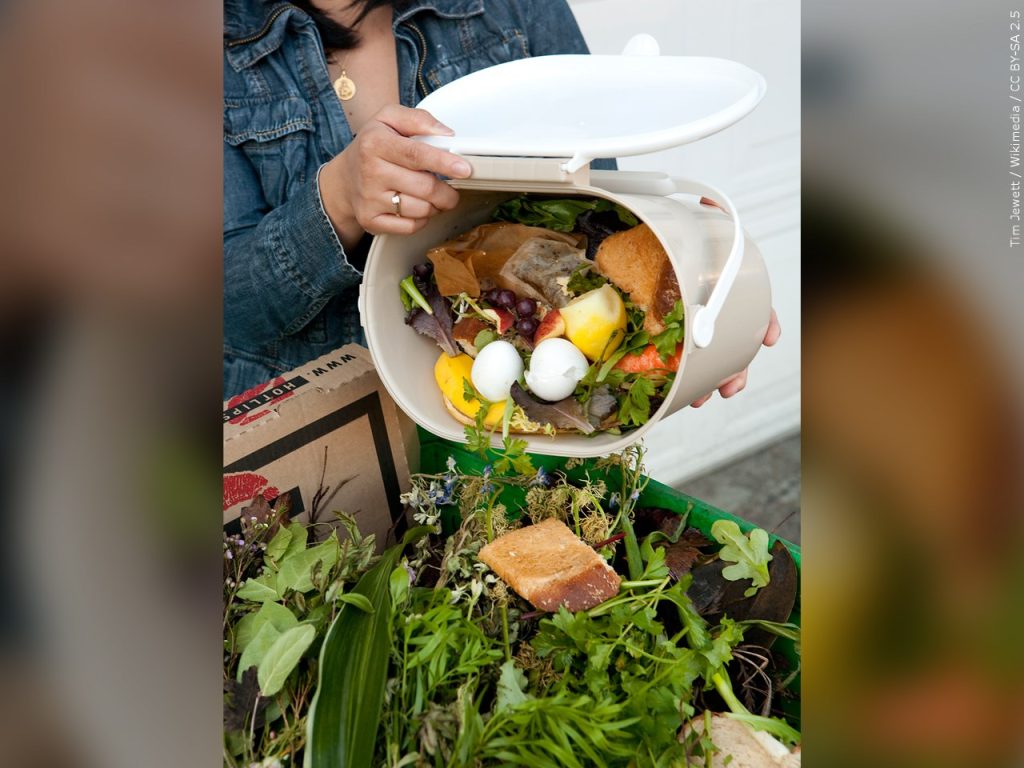
Las Cruces Utilities Department in Las Cruces, New Mexico, has a local program that turns yard trimmings and, now, food scraps into compost for residents, and a U.S. Department of Agriculture grant helped make that expansion possible and more widely available to the community.
The program started with yard waste and has always had a clear aim: cut down on what goes to the landfill and give back healthier soil to people who live here. By collecting yard clippings and other organic material, the Utilities Department offers a practical way for residents to shrink their household carbon footprint while keeping useful nutrients in circulation. For a city like Las Cruces, those small steps add up when people participate regularly.
Recently, the U.S. Department of Agriculture provided a grant that enabled the program to accept food waste as well as yard debris. That funding made it possible to broaden the types of organic material the system can handle without overburdening existing facilities. Expanding to food scraps is a big deal because it captures a waste stream that otherwise ends up in landfills and releases methane as it breaks down.
The compost produced through the program is returned to customers at no charge, which makes the whole effort more than just a tidying-up campaign. Free compost turns an abstract environmental goal into a tangible benefit for gardeners, landscapers, and anyone who wants better soil without added cost. It also creates an incentive for residents to separate their organic waste and participate in the program on an ongoing basis.
City officials and the Utilities Department designed the program with practical outcomes in mind, focusing on reducing waste and improving soil health across Las Cruces. Accepting both yard and food waste creates a richer mix of organic material, and when processed properly, that mix becomes a useful soil amendment. Residents who pick up compost get a direct return on their recycling habits, and the city keeps more organic material out of local landfills.
Community participation is essential for the program’s success, and free compost helps drive that participation by giving people something immediate back for their efforts. Households that compost at home or drop off organic material at city sites contribute to a collective process that benefits public spaces and private yards alike. Over time, a higher participation rate means more material diverted from landfills and more local compost available to improve soil structure and moisture retention.
The USDA grant didn’t just add food waste to the list; it also provided support that allows Las Cruces to scale up operations without shifting costs onto residents. Grants like this can cover equipment, training, or facility upgrades necessary to handle a wider variety of organic inputs. That kind of investment lets a local program move from a pilot phase into a steady, reliable service for the whole community.
For residents curious about getting involved, the offer of free compost makes the decision easier. People who aren’t already separating yard trimmings or kitchen scraps can try the program with minimal hassle and see the results first-hand. That experience often convinces them to keep participating, which lifts the program’s impact and keeps the cycle going.
There are broader environmental perks, too. When organic waste is kept out of landfills and turned into compost, it reduces greenhouse gas emissions associated with waste breakdown. It also closes the loop on nutrients, returning them to local soils instead of moving them offsite. Those outcomes align with straightforward goals: less waste, healthier soil, and a practical benefit for residents.
Las Cruces Utilities Department’s move to include food waste, supported by the U.S. Department of Agriculture grant, is a model of how targeted funding and local effort can expand a useful municipal service. The compost that comes back to customers for free is a concrete payoff that encourages continued participation and helps the city manage waste more sustainably. For many residents in Las Cruces, it’s a simple change that yields real benefits for gardens, yards, and the community at large.