Needoh mania has pushed kids back into toy aisles and pulled adults into the hunt, from local toy shops to suburban malls. This piece looks at why the textured blobs are selling out, how collectors and parents are reacting, and what retailers are seeing on their floors as demand climbs nationwide.
Needoh started as a quiet shelf item and turned into a full-blown craze almost overnight. Kids love the sensory play, and adults are drawn by nostalgia and the chance to snag limited runs that vanish fast. That mix has turned simple in-store browsing into an active chase at counters and restock alerts.
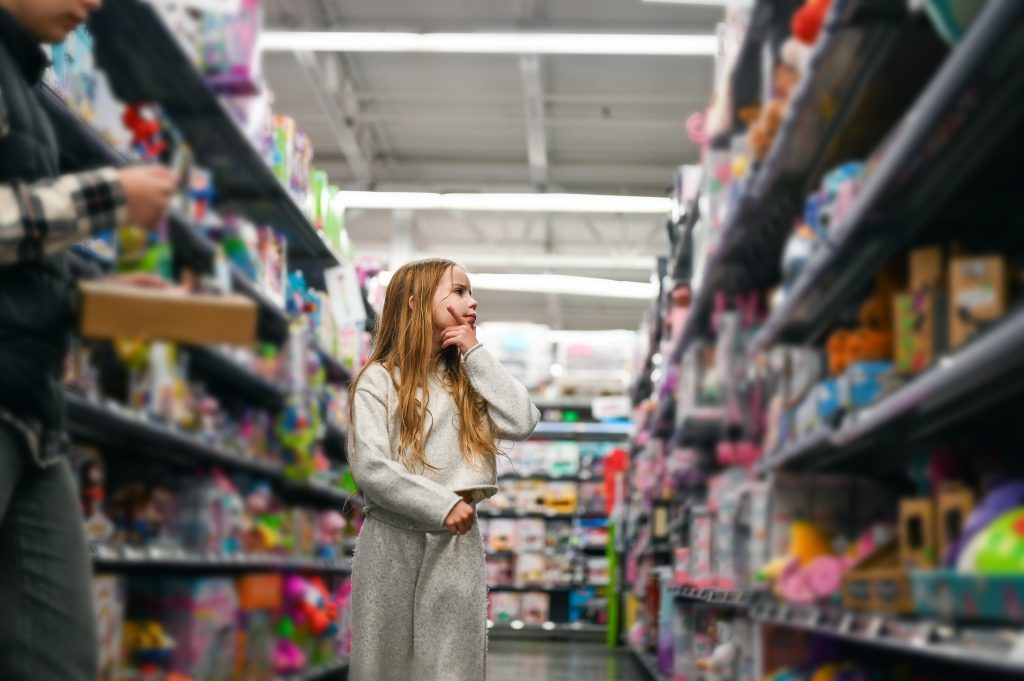
Retailers report a steady uptick in foot traffic when new Needoh drops arrive, with parents bringing younger siblings along and collectors camping for first access. Smaller independent toy stores say the product has been a welcome boost after slow months, while larger chains are juggling inventory and logistics to keep shelves stocked. The result is more people inside stores again, which benefits other categories too.
Social media amplifies every surge; a single viral post sends shoppers racing to local outlets. Clips of kids squeezing bright, bouncy pieces and adults unboxing rare variants light up feeds and spur immediate action. That online buzz translates into real-life lines and sold-out signs within hours.
Collectors add a new layer to the scene, treating Needoh like a hobby rather than a simple toy. Limited editions and exclusive colorways feed secondary markets where prices spike quickly. Some sellers capitalize on scarcity, while others trade and swap at meetups, which has built an enthusiastic community around what started as a kid-focused product.
Parents appreciate the tactile benefits for little hands, and many point to how Needoh keeps children engaged away from screens for chunks of time. Teachers and therapists have mentioned its calming potential during sensory breaks, and that practical value helps explain part of the craze. Still, some parents worry about the urge to chase rare pieces and the pressure to keep up with the trend.
Not every storefront sees the same lift. Neighborhoods with active family traffic and a strong collector presence see the biggest spikes. Stores in quieter markets report steady but modest gains. That patchwork effect shows the craze is real but not universal, and retail strategies must match local demand curves.
Behind the counters, staff are dealing with a new normal of restock queues and questions about future releases. Cashiers and store managers say they’ve learned to expect surges and to communicate clearly about limits per customer. Those measures help temper the rush, but they also underscore how quickly a novelty can reshape daily operations.
Manufacturers are taking notes too, adjusting production runs and distribution plans to match the unpredictable bursts in popularity. That can mean more frequent small shipments rather than a single big drop, a move meant to keep excitement high without leaving entire regions empty-handed. Supply chain tweaks are now part of the product’s lifecycle.
There are trade-offs. The thrill of the hunt meets the annoyance of scarcity for some shoppers who feel priced out by resellers. Retailers juggle customer goodwill against the reality of high-demand items moving fast. Meanwhile, the community aspect—swaps, local meetups, in-store demos—keeps the trend grounded in real people sharing a simple bit of joy.
At its heart, Needoh mania is a reminder that tangible play still matters. When kids press, stretch, and share these small objects, the payoff is immediate and visible. Adults might come for the collectibility or the nostalgia, but what keeps them returning is the lively storefront energy and the sight of happy kids rediscovering toy aisles.