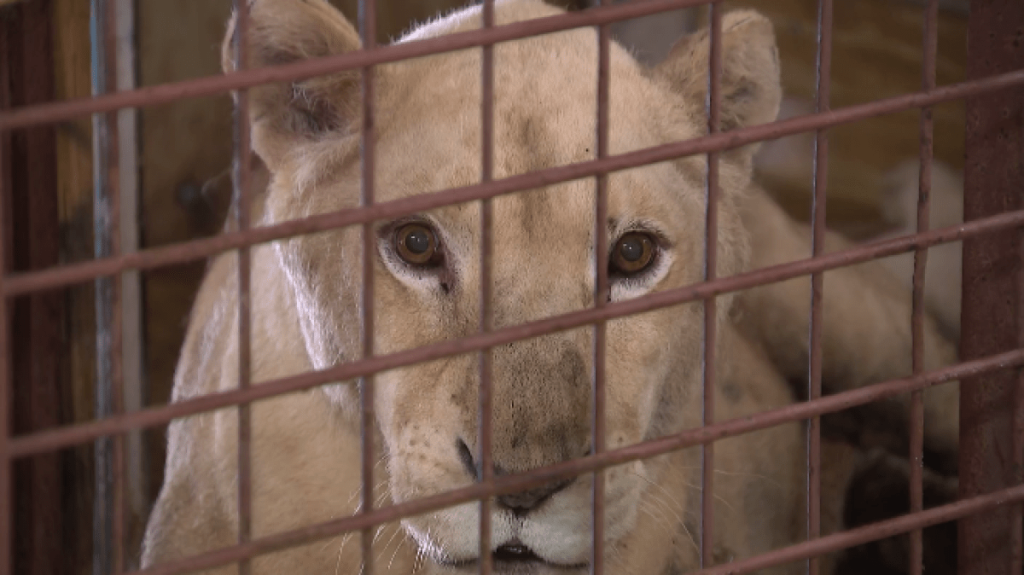
Two white lioness sisters rescued from a North Texas zoo are now getting a second chance at life at a wildlife sanctuary in Wylie. The animals were moved from the zoo to the sanctuary where staff and volunteers are working to give them space, care, and a quieter life away from public shows. This piece follows their arrival, the sanctuary’s role in rehabilitation, and what this move means for exotic animal care in North Texas. The focus stays on the sisters’ new life in Wylie and the people helping them adjust.
The sisters arrived under careful supervision, unloaded into a larger, more natural enclosure designed to reduce stress and encourage natural behaviors. Staff described the first few days as cautious optimism, watching for signs of stress while introducing enrichment like hiding spots and scent trails. Veterinarians performed thorough exams to assess their health and began planning longer-term care. The sanctuary’s quiet setting is a sharp contrast to the bustle of a public zoo environment.
White lions are a striking sight, and that striking look has made them the subject of fascination and, at times, problematic breeding programs. These animals are not a separate species but a rare color variation that has drawn attention from collectors and entertainment venues. That attention can lead to poor outcomes when animals are bred for appearance rather than welfare. Rescue and relocation to places equipped for long-term care are often the best outcome for animals whose needs weren’t prioritized.
At the sanctuary, the sisters get daily routines focused on comfort and mental stimulation rather than performances. Keepers use food puzzles and environmental changes to encourage natural foraging and play, and caretakers watch closely for signs of illness or behavioral distress. Social animals like these benefit from companionship, and keeping them together helps ease the transition. The daily work is patient and methodical, focused on rebuilding trust and physical health.
Moving exotic animals involves a network of people who prioritize safety and welfare, including transport teams, vets, and sanctuary staff. Logistics are complex: temporary crates, sedatives if needed, and routes chosen to minimize travel time and stress. Volunteers often help with nonmedical tasks and provide extra hands for enrichment and cleanup. That community support matters, but professional oversight remains crucial from arrival through ongoing care.
Local reaction in Wylie and across North Texas has been a mix of relief and renewed interest in how exotic animals are kept. Some residents express gratitude that the sisters now have a quieter place to live, while animal welfare advocates see the relocation as a teachable moment about responsible stewardship. The sanctuary plans to use the sisters’ story to educate visitors on conservation and the realities of exotic animal care. Education programs can turn a rescue into a lasting lesson about ethics and biology.
There are broader questions about regulation and oversight for exotic animals that this kind of rescue highlights, without leaning on politics or finger-pointing. Stronger standards for housing, breeding, and public interactions reduce the need for rescues in the first place. Sanctuaries rarely publicize every hardship, but they do show what responsible long-term care looks like when animals need it. The sisters’ move underscores the gap between entertainment-driven ownership and conservation-focused care.
Looking ahead, the sisters will be monitored and given ongoing treatments as needed, with adjustments to their care based on behavior and health checks. Keepers hope the sisters will settle into a predictable routine where stress indicators fade and natural behaviors increase. Over time, they may become ambassadors for educational work that emphasizes compassion over spectacle. Their presence at the Wylie sanctuary will help visitors understand why proper care matters.
The immediate picture is simple: two animals that once lived under different conditions are now in a place focused on their well-being, with vets, keepers, and volunteers coordinating a path forward. As the sisters adapt, the sanctuary will continue to document progress and refine care strategies to meet their needs. For the people of Wylie and animal lovers across North Texas, the rescue is a concrete example of how dedicated facilities can provide better lives for animals once removed from inadequate situations. The real work now is the slow, steady caregiving that gives these lionesses a chance to thrive.