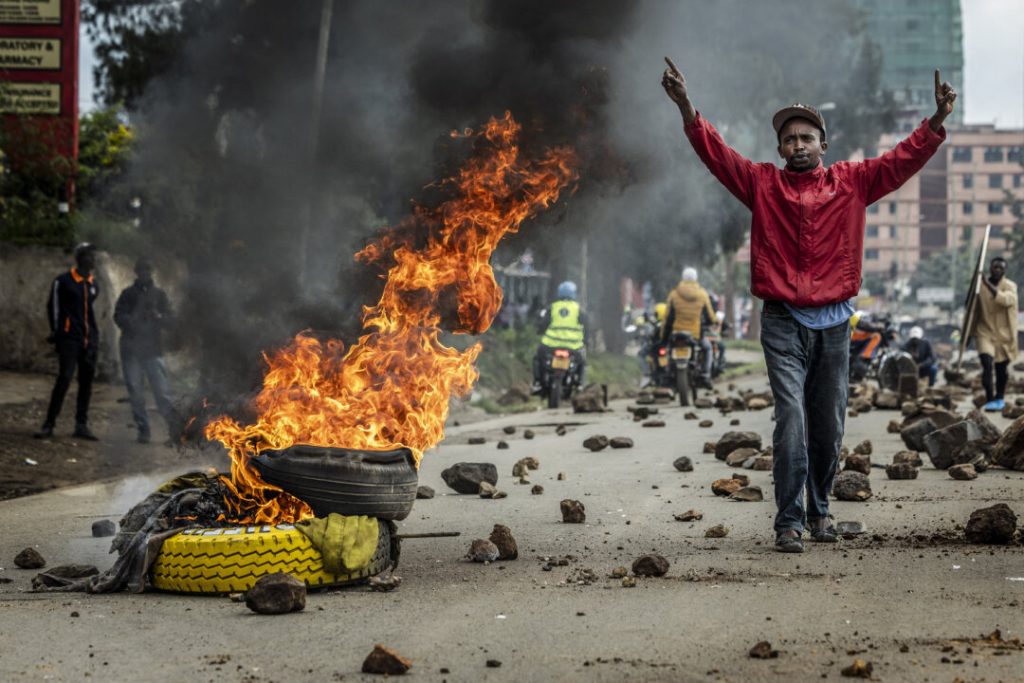
This piece explores the craft and impact of modern photography, using an image credited through its filename to highlight how a single frame can tell a powerful story. It looks at composition, light, intention, and the choices that shape what a viewer takes away, while keeping the focus on the act of seeing and making. The writing keeps things immediate and conversational, touching on technique and the human impulse behind the camera. Expect reflection, practical insight, and a reminder that every photograph starts with a person deciding what matters.
Photography is stubbornly simple and endlessly complex at once. You point a tool at the world, press a button, and somehow a moment becomes permanent, but the real work happens before and after that click. Decisions about angle, timing, and what to leave out carve meaning into pixels. When you start thinking like a storyteller, every frame becomes a choice about who you are inviting in.
Light is the language of the image and it talks whether you want it to or not. Morning and evening light shape mood without a word, while harsh noon sun forces you to find contrast and texture. You can chase golden hours or learn to control glaring conditions with shadow and composition. Mastering light is less about gear and more about patience and attention.
Composition is the quiet backbone that organizes chaos into form. Lines guide the eye, negative space breathes, and placement signals what matters most. A tight crop can make an intimate portrait feel like a confession, while a wide frame can show context and consequence. Learning to see composition means training yourself to notice what others scroll past.
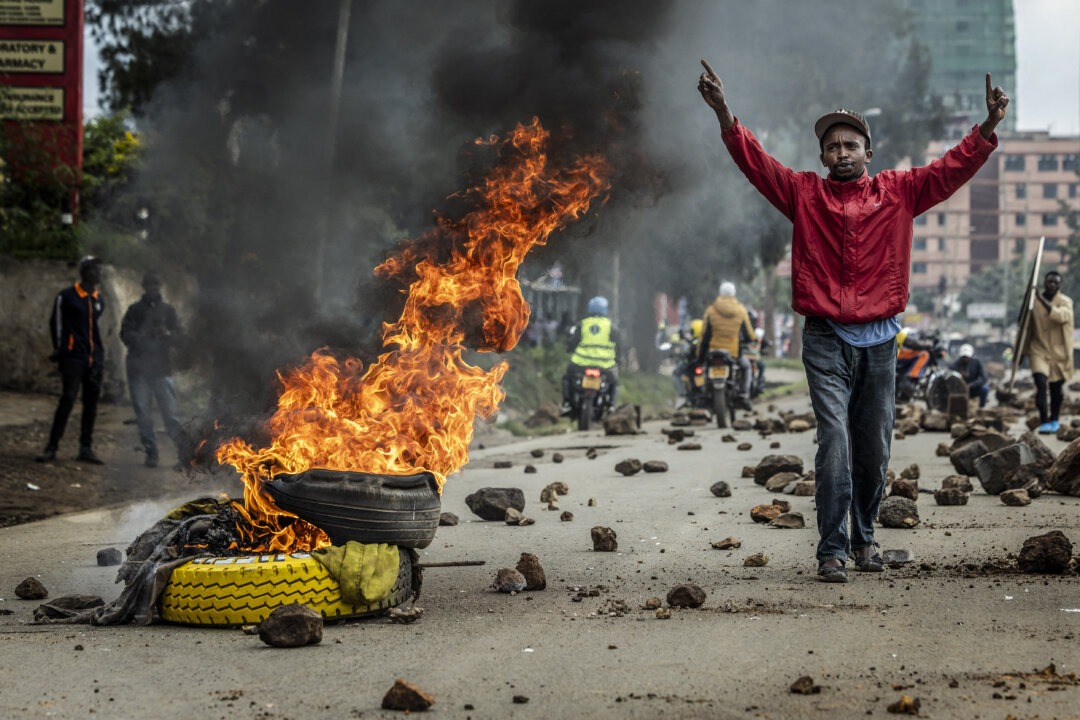
Editing is where taste meets intent and where an image either sings or gets lost in noise. Raw files give you latitude but the choices you make during processing reveal your point of view. Crop, contrast, and color tweaking should serve the story, never hide it. Good editing amplifies the truth in the frame instead of replacing it.
Gear talk distracts more often than it helps; craft beats checklist. Sure, having tools that feel right matters, but a solid photograph is mostly about curiosity and follow-through. Practice with what you own, learn the strengths and limits of your equipment, and then push the tool until it surprises you. The best cameras are the ones that get used.
Context changes everything; where a photo is shown and who sees it alters meaning overnight. A street image displayed in a gallery meets a different audience than the same photo in a local paper or on social media. Thinking about context means thinking about responsibility and the conversations your images will start. That awareness is part of being a thoughtful maker.
Teaching someone to make better pictures starts with helping them look, not with handing them settings. Assignments that force attention to small details, to waiting, and to returning to the same place at different times sharpen the eye. Encourage critique that focuses on intent and impact rather than scorekeeping. Photography improves fastest when curiosity is rewarded, not shutter speed.
Photography is an invitation: to pay attention, to notice patterns, and to share a view of the world that only you can see. Whether you shoot portraits, landscapes, or tiny moments on a city block, the best images make the ordinary matter. Keep practicing, keep looking, and trust that the stories you think are small might be the ones people need most.