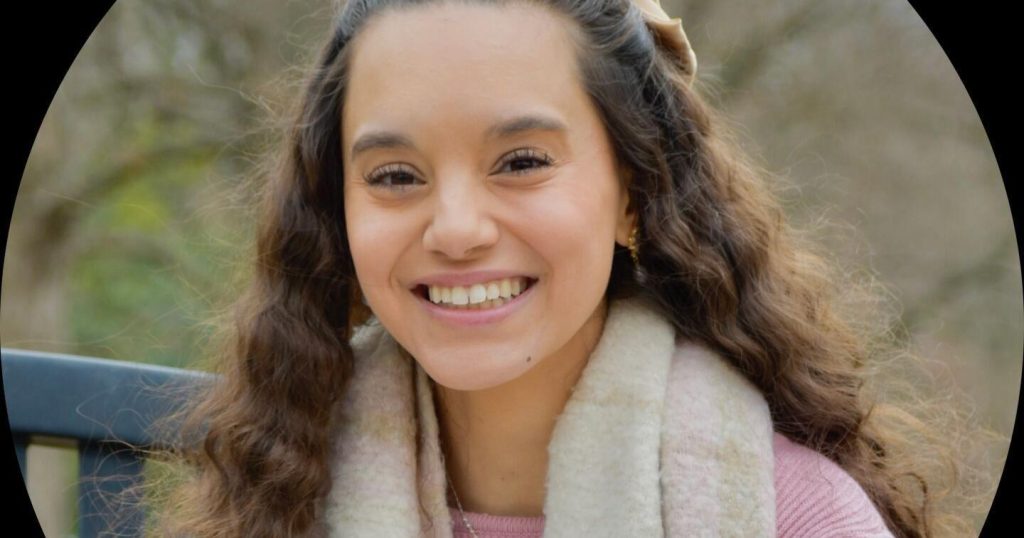
I graduated in December 2024 from Miami University in Oxford, Ohio, with dual Bachelor of Arts degrees in Journalism and Public Health, eager and nervous about what came next. This piece follows the messy, candid first months after my diploma—job hunting, moving across states, chasing stories, and trying to build a life that matches what those diplomas promised. You’ll read about practical doors that opened, unexpected detours that forced me to learn fast, and the small, stubborn habits that kept me moving forward. The story is rooted in Miami University and the shift from campus routines to whatever comes after commencement day.
The immediate shock after graduation is not romantic. One week you’re in lecture halls and newsroom labs, the next it’s your email inbox and a stack of unpaid invoices. The structure that kept me punctual and productive vanished, leaving a calendar full of vague possibilities and a real need to pay rent. That gap between hope and reality is where most of the lessons lived.
Having degrees in both Journalism and Public Health turned out to be a practical advantage, not an identity crisis. Employers liked the combination: clear communication rarely comes paired with a sense of data or population-level thinking. I took contracts writing public health content, doing local reporting on vaccines and community clinics, and learned how to translate technical jargon into everyday language. Those gigs paid less than the ideal job, but they taught me how to map abstract ideas into stories people cared about.
Networking felt less like a LinkedIn checklist and more like honest conversations where curiosity mattered more than credentials. Former professors at Miami University connected me to editors and health communicators who offered mentorship and small assignments. I learned to show up with work samples, follow-up notes, and a willingness to do the tasks nobody else wanted. That willingness turned into repeat work and a few steady clients.
Money was a constant, low-level pressure. Loan payments and living expenses showed up whether I had full-time work or not, so I balanced gig work with part-time jobs that offered health benefits and a predictable paycheck. Those choices weren’t glamorous, but they bought breathing room and a chance to be selective about bigger opportunities. Financial stability made it possible to say yes to the right projects and no to those that would burn me out.
Some days the narrative bent toward imposter syndrome—especially when competing with people who already had years of newsroom experience. So I doubled down on skills I could control: pacing interviews, editing audio cleanly, and reporting tight explanatory pieces that tied public health data to everyday choices. Small improvements stacked into better clips and stronger pitches. Eventually, editors stopped asking where I had interned and started reading what I produced.
Not everything was linear progress. I moved cities twice in six months to take short contracts, a decision that felt both risky and necessary. Each move reset my network but expanded the kinds of stories I could tell—rural health access, local election coverage, and community resilience in small towns. Those assignments deepened my reporting chops and taught me how to build sources fast without sacrificing accuracy or compassion.
There were personal costs: less time with friends, an unpredictable calendar, and nights when the future looked uncertain. I learned to protect my time and mental health with small rituals—early morning writing sprints, weekly calls with a trusted mentor, and a rule to log accomplishments no matter how small. Those practices didn’t erase the hard parts, but they made the work sustainable.
One unexpected reward of combining Journalism and Public Health was the ability to create niche value. I began pitching series that explained local health policy in plain language, paired with profiles that humanized statistics. Editors responded; community organizations invited me to speak; a regional health nonprofit offered a fellowship that paid and taught program evaluation. That fellowship didn’t feel like a detour but a bridge between the diplomas and a professional identity that actually fit.
Graduation was less a finish line and more a starting tape pulled tight by real-world constraints. Miami University gave me the tools—reporting fundamentals, data literacy, and a practice of asking questions—but the messy work of building a career happened afterward, in the small decisions that add up. The diplomas opened doors, but the habits I built on the other side of commencement kept me moving through them.