The Dayton Police Department is sounding the alarm across Dayton, Ohio after a spike in scams aimed at electronic benefits transfer and cardholders. This article walks through what officers are seeing, how residents are being targeted, and practical steps people can take to protect their money and information. It includes clear guidance for anyone who uses EBT or credit and debit cards in Montgomery County.
“The Dayton Police Department is warning residents of an increase in reports involving EBT card fraud and credit card skimming devices.” That line from local police captures the core problem: criminals are finding new ways to strip value and data from cards people rely on for everyday needs. The issue affects common shopping trips and ATM visits, and it can leave victims with unexpected financial headaches that are slow to fix.
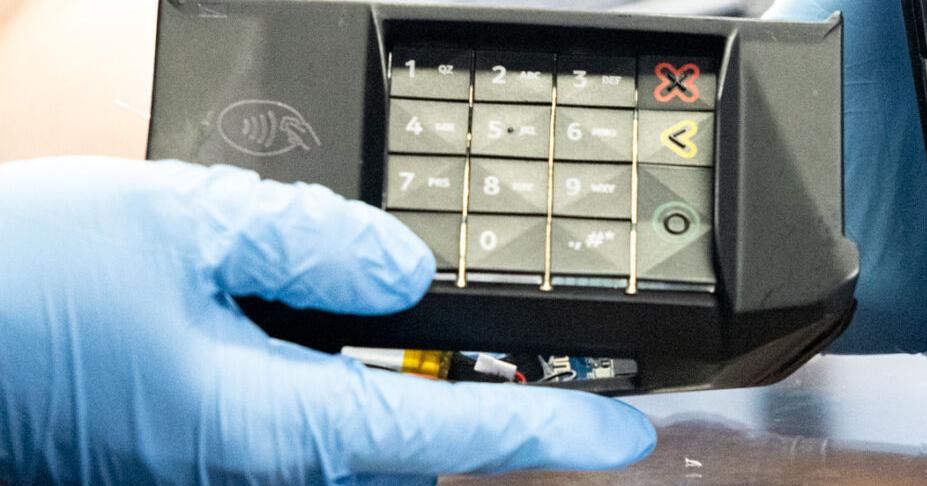
EBT fraud often looks simple but can be devastating: someone intercepts card information or gains unauthorized access and drains benefits intended for groceries or essentials. Skimming devices, meanwhile, are small gadgets attached to ATMs or gas pumps that copy the magnetic stripe data when a card is swiped. Both methods let thieves clone cards or sell stolen details, and the lag between theft and detection gives criminals time to move money or make purchases.
Dayton residents should pay attention to the physical appearance of card machines and cashier areas before they slide or insert a card. A loose or bulky card slot, mismatched materials, or anything that looks recently altered can be a sign of tampering. If a machine behaves oddly—takes longer than usual, blocks access, or displays strange prompts—walk away and report it to staff or police immediately.
Monitoring account activity is another essential line of defense, especially for EBT users who rely on benefits for household food purchases. Check balances frequently, save receipts, and compare transactions against expected withdrawals. If you spot purchases you did not make, contact your card issuer and the Ohio Department of Job and Family Services right away to freeze the card and start an investigation.
When encountering potential skimmers or suspected fraud, document what you see and who you talked to while keeping your distance from the device itself. Take photos if it is safe to do so, note the location and time, and report the situation through the Dayton Police non-emergency line or at a local precinct. Quick reporting helps police collect patterns, find networks, and sometimes recover stolen funds before they vanish.
Businesses and property owners play a big role in prevention by maintaining machines, training staff to spot tampering, and installing visible deterrents like surveillance cameras and tamper-evident seals. Retailers can discourage scammers by ensuring card readers are securely fastened and by performing regular inspections of pumps and ATMs. Strong routine maintenance reduces the window of opportunity for criminals to attach skimming devices.
For people worried about ongoing risk, consider shifting to chip-and-PIN transactions when possible because EMV chips are harder to clone than magnetic stripes. Mobile payment options and contactless tap methods add another layer of protection since they do not expose raw card numbers in the same way. Yet none of these steps replace vigilance: always guard your PIN, never hand your card to someone you do not trust, and be skeptical of unsolicited calls or messages asking for account details.
If you are victimized, act fast: contact your bank, file a police report with Dayton PD, and reach out to the state agency that manages EBT in Ohio. Keep copies of all correspondence, dispute unwanted charges, and request fraud alerts on your accounts. The sooner you mobilize, the greater the chance of limiting losses and helping law enforcement track down the people responsible.