The World Health Organization has declared a new Ebola outbreak in Democratic Republic of Congo and Uganda a public health emergency of international concern, after authorities reported more than 300 suspected cases and 88 deaths; the decision puts global health systems on alert and focuses attention on cross-border transmission risks, vaccination efforts, and local response capacity in Kinshasa and Kampala.
The WHO’s declaration signals that this outbreak meets a threshold for international concern, not just local alarm. That status mobilizes more resources, speeds up coordination across borders, and raises the profile for vaccine and treatment deployment. Health ministries in both countries now face a fast clock to break chains of transmission before the virus reaches more communities.
Reported totals include over 300 suspected infections and 88 fatalities, figures that grab headlines and demand rapid validation. Those numbers reflect both confirmed and probable cases in hard-to-reach areas, where surveillance can lag and community rumors complicate reporting. Rapid testing and consistent data sharing are critical if the official caseload is to be tracked accurately.
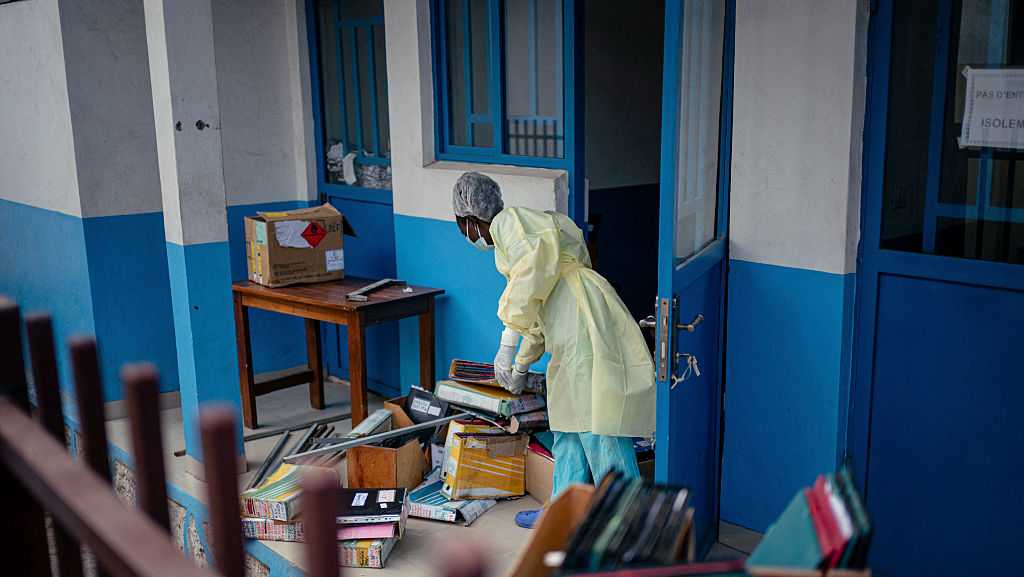
Frontline healthcare workers are under intense pressure, operating with stretched supplies and understandable fear. Protective equipment, training on infection control, and psychosocial support are all in short supply in many clinics. Strengthening hospital isolation units and ensuring safe ambulance transfers will reduce nosocomial spread and protect medical staff from additional risk.
Vaccination campaigns are a key tool, and the emergency declaration helps free up doses and logistics support. Ring vaccination, which targets contacts of confirmed patients and their close networks, has cut transmission in past outbreaks when implemented quickly. Still, vaccines are only one layer; timely testing, contact tracing, and culturally sensitive engagement with communities are equally essential.
Cross-border movement between Congo and Uganda complicates containment, since porous borders and informal trade routes make tracing every contact impossible. Truck drivers, market vendors, and displaced families can unwittingly carry the virus across regions. Coordinated border screening, traveler education, and joint surveillance posts help reduce the chance that a local flare becomes a regional crisis.
Community trust matters more than any single medical tool. Local beliefs about illness, burial practices, and healthcare systems shape whether people seek help or hide symptoms. Outreach teams that respect local customs, work with religious and community leaders, and explain prevention in plain terms will break down resistance and save lives.
International aid groups and neighboring governments are already responding with technical teams, diagnostic supplies, and logistical support. But getting resources from plane to clinic is never easy in rough terrain and conflict-affected zones. Transparent coordination among donors, national authorities, and on-the-ground NGOs will decide whether assistance arrives fast enough to change the outbreak’s trajectory.
Beyond immediate life-and-death decisions, this outbreak exposes ongoing vulnerabilities in regional public health systems: limited lab capacity, thin health workforces, and underfunded surveillance networks. Investing in national laboratory networks, training community health workers, and maintaining emergency stockpiles should be part of the longer-term response. For now, though, stopping further spread depends on aggressive contact tracing, clear communication, and protecting those who care for the sick.