The surge in artificial intelligence and the massive power appetite of new data centers have sparked fights over rising electric bills from Arizona to Pennsylvania. Elected officials like Arizona Attorney General Kris Mayes and Pennsylvania Gov. Josh Shapiro are pushing back against utilities and their parent companies, while analysts and consumer advocates debate whether investor returns are a driver of higher rates. Major utilities such as Exelon and regional players like PECO and AES Indiana are in the middle of regulatory battles, and the issue has landed squarely on the political and financial radar as lawmakers and regulators question how the grid should be paid for in a high-demand era.
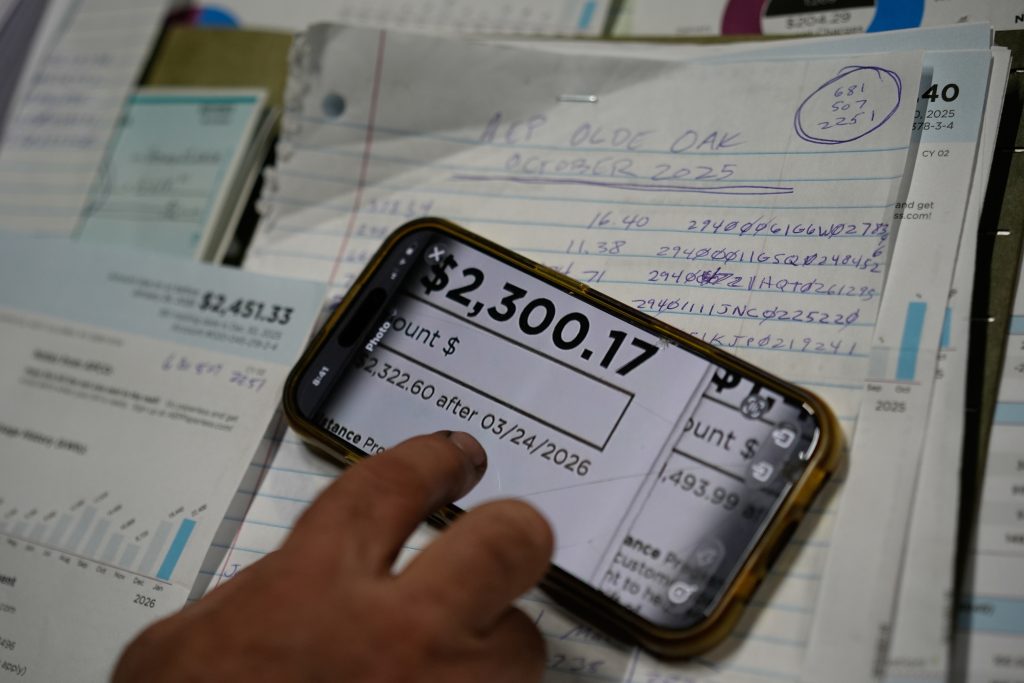
Utilities across several states have asked regulators for big rate increases to fund transmission upgrades, grid modernization and capacity for booming data center demand. Lawmakers, attorneys general and utility regulators are now scrutinizing those requests more closely than in years past, arguing that customers are being asked to shoulder costs that might be inflated by profit-seeking behavior. The debate has become public and heated because the bills land on families already stretched by higher living costs.
Arizona Attorney General Kris Mayes has stepped into two high-profile cases before the state utility board and framed her challenge in stark terms. “I felt like it’s never been more important to stand up against the blatant corporate greed of our monopoly utilities in Arizona,” she said, keeping the pressure on companies proposing double-digit increases. That kind of rhetoric is sharpening regulatory fights and making rulings into politically charged events in this election year.
Energy-hungry AI data centers are the common thread behind much of the contested spending, and Wall Street is paying attention. Analysts say the rapid expansion of compute and the transmission projects that follow have created a construction boom that benefits utilities and their investors. Matt Kasper of the Energy and Policy Institute warns the mix is producing higher bills and richer returns for utilities, arguing the sector’s profits and investor appetite are part of the affordability problem.
Historically, utilities were seen as slow-growing but steady investments, with modest investor returns because risks were low and demand predictable. That model is changing as large technology projects push electricity demand higher, and private investors pour money into utility holdings and infrastructure. The shift has lifted share prices for companies that own regional utilities, making the sector look less like a regulated safe harbor and more like an arena for big returns.
A new report from the Energy and Policy Institute pointed to hard numbers showing the squeeze: profits for 110 for-profit utilities climbed from just under $39 billion in 2021 to over $52 billion in 2024. Those figures are often cited by consumer advocates as evidence that some of the pressure on household bills is tied to expanding profit margins, not just the cost of materials or labor. Policymakers are using that data to justify tougher reviews of how returns are set by state regulators.
Mark Ellis, who moved from utility executive to consumer advocate, has been blunt about what he sees as the problem on customer bills. He argues about 10% of the typical customer bill is what he calls a for-profit utility’s “excess profit,” above what might be considered reasonable under long-standing Supreme Court precedent. Ellis suggests regulators should force companies to seek the cheapest financing available so customers don’t pay more than necessary for investor cash.
Not everyone agrees that reining in returns is the solution. Paul Ferraro said plainly, “That’s an action that’s aiming to address the deep social disagreements we have about who should benefit from essential infrastructure. But it’s not going to address the key challenges that the electricity sector is facing.” He points to the real technical tasks ahead: updating aging lines, integrating renewables and building a grid that can handle distributed and massive new loads.
On investor calls, executives are acknowledging the political heat and trying to walk a careful line between protecting returns and addressing customer pain. “Affordability is probably the number one issue that executives and investors are thinking about right now in the utility sector,” Travis Miller of Morningstar said, reflecting how central the topic has become on earnings calls. Companies insist they need sufficient returns to finance reliability and modernization while warning that capital could move to states that allow higher rates.
Caught in the middle are regulators who must balance investor confidence with customer protection, and critics say the fear of capital flight is overplayed. Federal data cited by utilities show household energy costs as a share of income have declined in recent decades, a point companies use to defend current returns. Still, many state regulators and elected officials are skeptical of that defense when faced with dramatic local rate proposals tied to new projects.
Regulatory reviews have intensified. The New Jersey Board of Public Utilities, led by Christine Guhl Sadovy, launched a sweeping look at how utilities should be allowed to earn in a modern system, calling it one of the most consequential reviews in a generation. The process is designed to rethink traditional incentives and could alter how projects get paid for going forward, with implications for customers and investors alike.
In Pennsylvania, Gov. Josh Shapiro pushed hard against a 12.5% proposal from PECO, saying the requested bump would amount to roughly $20 more per month for the average household. He took aim at utility priorities in a public letter, writing, “We can no longer simply prioritize corporate profitability to drive infrastructure development.” That push prompted the parent company, Exelon, to step back and withdraw its immediate request after talks with stakeholders.
Exelon’s leadership emphasized willingness to engage on affordability. Calvin Butler told investors the company was committed to justifying its spending and keeping bills low, recounting a stakeholder exchange: “Hey, if you could partner with us to address the affordability issue and lean in, timing is not the best right now,” Butler said. The comment showed that even big utilities are sensitive to political pressure and public opinion when it comes to rate timing and justification.
Political moves are also changing commission lineups and decisions on the ground. In Indiana, Republican Gov. Mike Braun named new utility commissioners who are already confronting AES Indiana’s request for a 10.1% increase. Ben Inskeep of the Citizens Action Coalition noted that lowering the authorized return from 10.7% to 8% would sharply reduce the size of the proposed rate hike, illustrating how regulatory math translates directly to customer bills.
Back in Arizona, Kris Mayes is fighting two proposed 14% increases and arguing customers should only pay for the real cost of reliable service. “It’s becoming unbearable for the people in Arizona,” Mayes said. “And I think we have to fight back.” Her stance captures the political and human side of what has otherwise been a technical, regulator-focused issue: real families facing higher monthly costs as the grid evolves.