At Rancho La Puerta and at the base of Kuuchamaa Mountain, Norma Meza Calles and other Kumeyaay leaders are watching federal crews alter the land they revere, while tribes from Arizona to Texas raise alarms over blasted geoglyphs, seized ridgelines and threatened sacred sites. The story moves from Kuuchamaa to Las Playas Intaglio, Mount Cristo Rey and Big Bend, and names people such as Emily Burgueno, Verlon Jose, Rodney Scott, Markwayne Mullin, Raymond Skiles and Sarah Livia Brightwood Szekely as officials and community members at the center of the dispute.
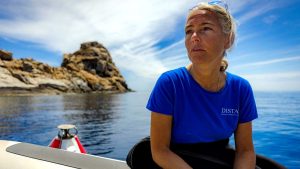
White sage smoke still curls at Rancho La Puerta as guests close their eyes and listen to Norma Meza Calles describe Kuuchamaa’s place in Kumeyaay life. “This is sacred to us like a church for you all. The mountain is our healer, our psychologist,” she says, and she explains how a shaman in the creation story became the mountain itself. For the Kumeyaay, land and spirit are tangled in language and ritual, and development that ignores that bond feels like an attack on identity.
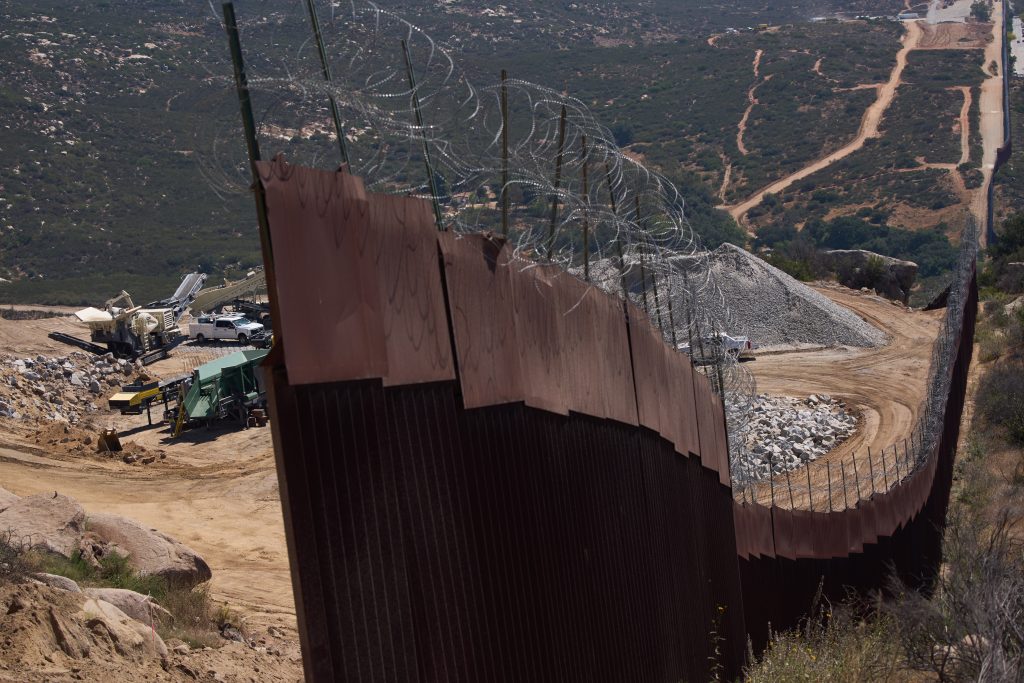
Those rituals are colliding with an aggressive border construction push under a federal waiver of cultural and environmental laws, a move the government says it needs for national security. Contractors working for DHS and U.S. Customs and Border Protection have been blasting rock, grading roads and clearing corridors in places that tribes and conservationists describe as sacred and irreplaceable. Where walls go up, elders see loss; where technology might be used instead, tribes often plead for alternatives that preserve history and habitat.
In California the blasts on Kuuchamaa send debris down the Mexican slope and leave communities stunned. “We feel that in our DNA,” said Emily Burgueno, stressing that Kumeyaay language ties body and land together. The nation spans tribes in California and Baja California, and several leaders have met with DHS officials and explored legal options to halt the destruction. “No one ever consented or supported the use of dynamite on the mountain,” Burgueno added, making clear consent was never part of the calculus.
Out in the Arizona desert, a contractor’s bulldozer cut straight through a rare 1,000-year-old fish-shaped geoglyph called Las Playas Intaglio, etched on a lava field in the Cabeza Prieta National Wildlife Refuge. Tohono O’odham officials said they had flagged the site and asked that crews avoid it, but the image was nevertheless scarred. “This was a devastating and entirely avoidable loss,” Tohono O’odham Chairman Verlon Jose said, underlining the sense of helplessness tribes feel when sites vanish in a single sweep of heavy equipment.
CBP called the incident west of Ajo an inadvertent disturbance and pledged to protect what remains, and Commissioner Rodney Scott has been speaking with tribal leaders about next steps. Still, tribal delegations recently traveled to meet Homeland Security Secretary Markwayne Mullin, who told them his priority is building barriers quickly. Those conversations left tribes frustrated: they met a federal secretary who listened, but who also made clear the administration intends to press ahead with walls where it can.
Federal contracting now covers hundreds of miles of border terrain, and more is proposed. The Trump administration’s “ big, beautiful bill ” allocated massive funding to extend barriers, and CBP has moved forward with contracts on over 600 miles of new wall and plans for double walls or companion surveillance on many stretches. In Arizona, work in the Patagonia Mountains threatens wildlife corridors and cultural connections, while in New Mexico crews have set off blasts on Mount Cristo Rey, a pilgrimage site crowned by a limestone cross.
Federal interest in private riverfront tracts east of Big Bend has also alarmed ranching families who say ancient pictographs and petroglyphs on their land tell stories we can’t replace. Retired park ranger Raymond Skiles described shaman figures and paintings on his family’s ranch and warned that once a site is gone, it’s gone for good. After pushback, CBP altered plans on some parcels to rely on surveillance and patrols rather than a continuous 30-foot wall, but the tension between enforcement and preservation remains sharp.
CBP routinely says it tries to limit damage to cultural and natural resources, that it will keep drainage gates open for wildlife and rely on technology in remote corridors. Many tribes say technology would be preferable to concrete and steel, and several conservationists point out that walls fragment habitat for species like ocelots and jaguars. Austin Nunez, a tribal leader who has challenged waivers in court, framed the issue as both spiritual and ecological, noting the long coexistence of jaguars and the Tohono O’odham.
Federal law makes desecration of sacred Native American sites on federal or tribal land a felony, and Kuuchamaa was listed in the National Register of Historic Places in 1992 with language warning that disturbing its natural state would be sacrilegious. The mountain rises nearly 3,885 feet and draws people from many backgrounds, including guests at Rancho La Puerta who credit it with healing energy. Sarah Livia Brightwood Szekely recalled her father, Edmond Szekely, finding solace there after arriving as a refugee, and she now runs the resort that centers much of its practice on the mountain’s pull.
Meza Calles still guides guests up the mountain to teach rituals and to pass on the meaning of place, telling visitors how young men once spent 40 days at the base in a coming-of-age tradition. “It’s sad they are ruining the mountain,” she says, a blunt note that captures the grief many Indigenous people feel as construction continues. For those watching, this is not just a policy fight over fences and funding; it is a fight about how a nation balances security with the duty to protect the living history embedded in the land.