The World Health Organization Director-General has declared the Ebola disease outbreak in Congo and Uganda a public health emergency of international concern, a move that ramps up the global response and signals the risk of further spread. This article lays out what that declaration means for frontline health workers, cross-border communities, and international travel, and looks at the tools being deployed in both the Democratic Republic of the Congo and Uganda. It covers current case trends, vaccination efforts, logistical challenges on the ground, and what travelers and aid organizations should expect in the coming weeks.
The WHO decision elevates the outbreak to the highest alert level and prompts coordinated international action. That classification is designed to unlock resources, streamline cross-border cooperation, and push for rapid containment measures. Health ministries in Kinshasa and Kampala are now coordinating with international partners to trace contacts and deploy vaccines where they will do the most good.
The disease has a track record of explosive local transmission when response is delayed, and the current spread between Congo and Uganda highlights porous borders and mobile populations. Emergency declaration does not change the virus, but it changes the scale and speed of the response. Expect faster movement of diagnostic teams, surge staffing, protective equipment, and strengthened surveillance at border crossings and in refugee routes.
Vaccination is the single most powerful tool in the current response toolbox, and ring vaccination strategies are being prioritized around confirmed cases to blunt transmission chains. Cold-chain logistics in remote parts of eastern Congo and western Uganda present real headaches, but teams are racing to get doses to people at highest risk. Community engagement remains essential because mistrust and misinformation can quickly undo even the best-planned interventions.
Testing and diagnostics are being scaled up, but lab capacity is uneven across affected regions and delays can hamper contact tracing. Rapid point-of-care testing helps, but confirmatory testing in centralized labs still matters for surveillance and case counting. Expect international labs and mobile diagnostic units to be dispatched to hotspot areas to accelerate confirmation and reporting.
Health workers on the front lines are under intense pressure and need both physical protections and psychological support. Training in infection prevention and control, safe patient transport, and proper use of personal protective equipment is being intensified. When staff feel safe and supported, community confidence follows, which improves reporting and cooperation.
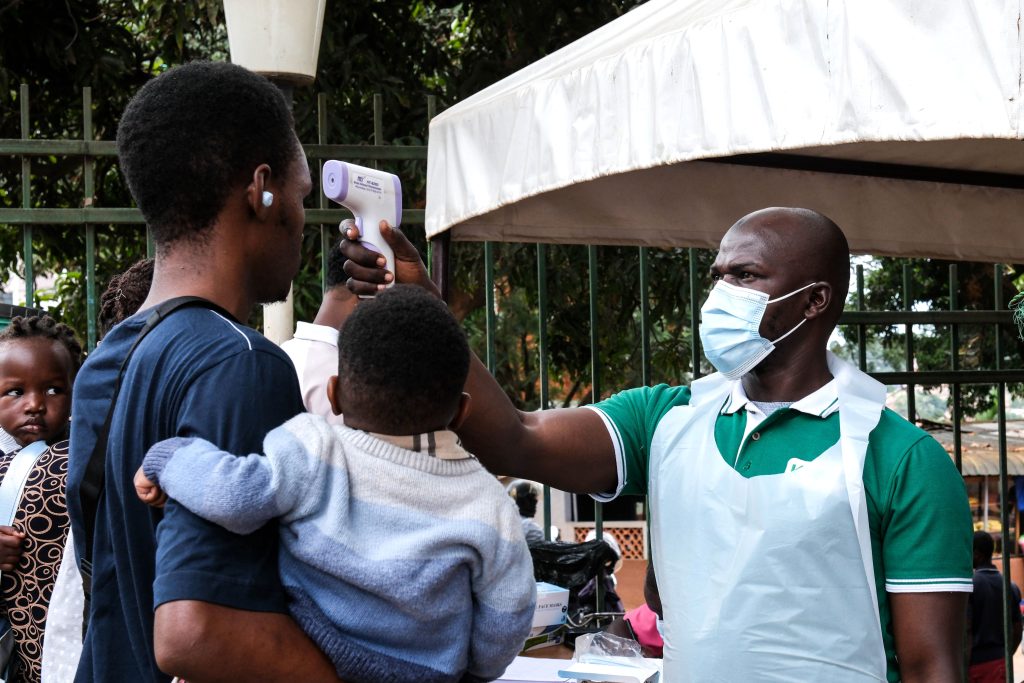
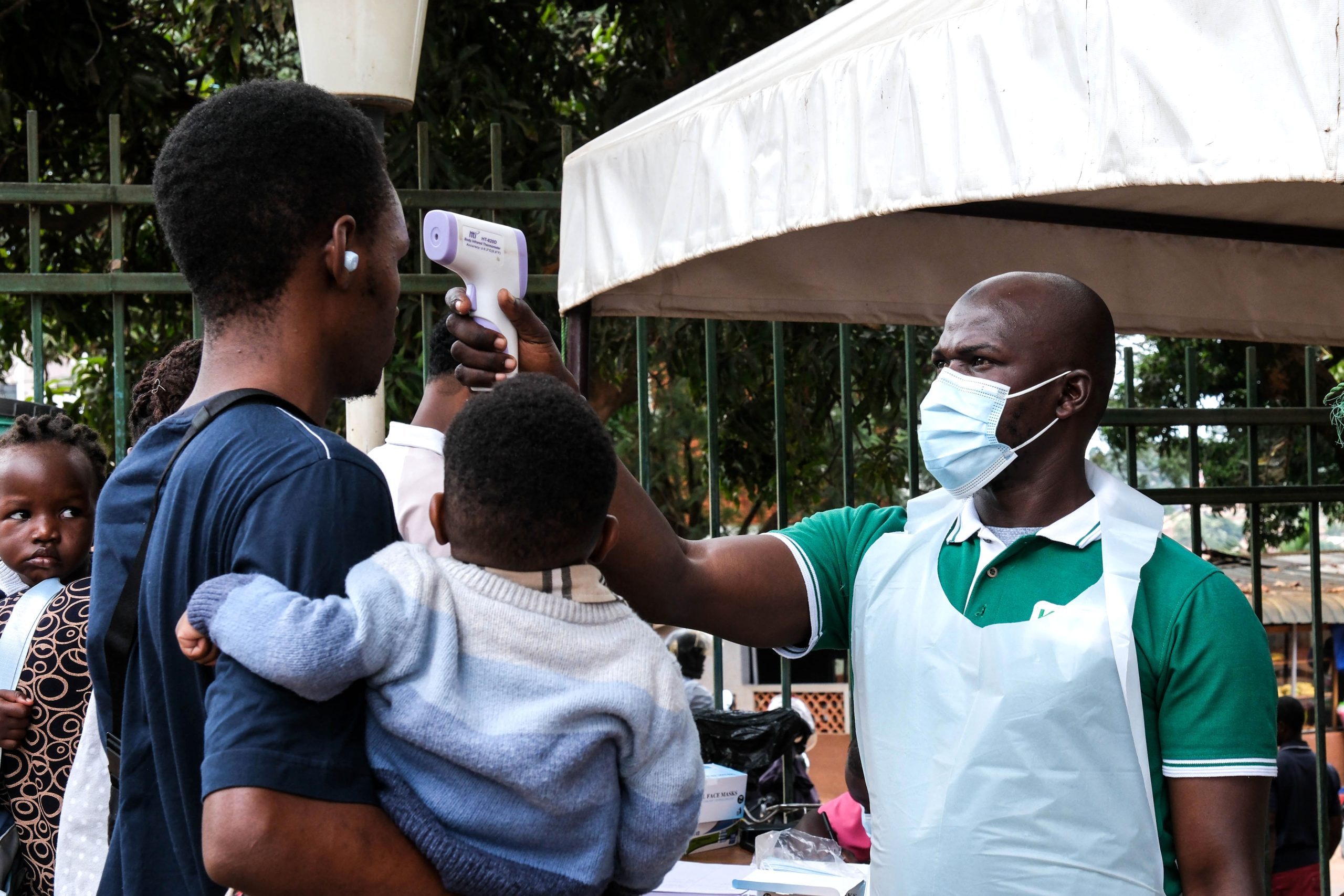
For travelers and neighboring countries, the WHO emergency status signals increased screening and public health advisories rather than blanket travel bans. Countries often tighten entry screenings, ramp up health checks at ports of entry, and issue guidance for airlines and transport operators. Personal precautions, such as avoiding contact with symptomatic individuals and not handling unfamiliar animals, remain practical steps for anyone in or traveling to affected zones.
A coordinated international response is essential because outbreaks that cross borders are inherently regional problems. Donor funding, vaccine sharing, and logistical support from global health partners can make the difference between containment and further spread. Local leaders in both countries will need ongoing support to maintain vaccination campaigns, surveillance, and community outreach until transmission stops.
There are no guarantees, but timely action improves the odds of stopping this outbreak before it becomes larger. The WHO declaration is a call to action, not a prediction of catastrophe, and it puts resources and attention where they are needed most. If communities, health systems, and international partners move quickly and stay coordinated, the immediate threat can be blunted and lessons can be learned for future responses.