The Sunland Park Fire Department in Sunland Park, New Mexico, told KVIA that fallout from a fireworks display finale landed in thick vegetation along the river levee bosque and prompted an immediate mutual aid request to the El Paso Fire Department. Local crews were on standby at the display and asked for extra resources as debris piled into the brush. Officials in Sunland Park and neighboring El Paso scrambled to assess the hazard and protect the levee corridor.
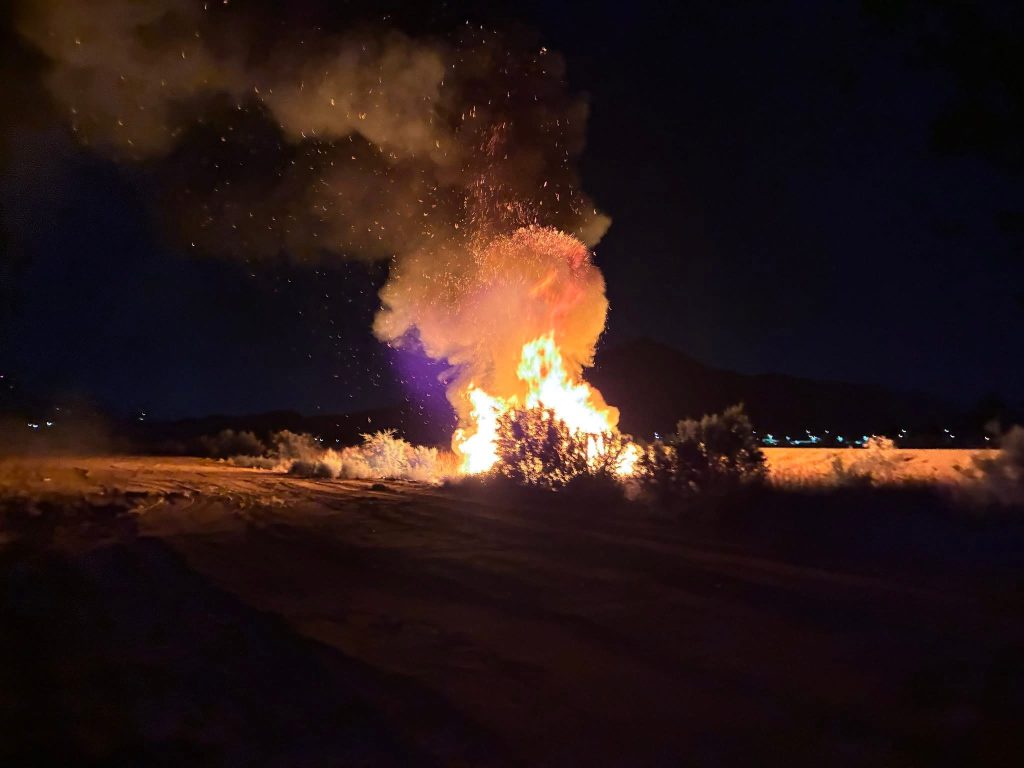
The incident unfolded late Friday night when the fireworks finale sent hot fragments and ash into a densely vegetated area of the bosque near the Rio Grande. The department reported the debris landed in thick vegetation at the river levee and that the standby crew requested additional resources immediately to include Mutual Aid from El Paso Fire Department. That brief chain of events is all the public report contains so far, but the shorthand tells you why agencies treat fireworks finales as a serious threat near riparian brush.
Fireworks fallout is deceptive: a glowing ember traveling just a few dozen feet can ignite tinder-dry grasses and leaf litter that sit unseen beneath thicker shrubs. In river levees and bosque corridors, accumulated debris and dead understory can turn a single hot fragment into a spreading brush fire in minutes. Fire departments call mutual aid not just for manpower but for specialized equipment and water support when an ignition risks moving quickly along a linear corridor like a levee.
Sunland Park’s call to El Paso Fire Department is an example of the cross-border emergency muscle that keeps border communities safer. Joint responses along the Rio Grande are common because the river corridor doesn’t stop at a city line; neither do fires. In tight windows when wind or dry conditions favor a spread, having a neighbor’s engines ready can be the difference between a controlled patch and a multi-acre incident.
Authorities have been reminding event organizers that the finale is the riskiest part of any fireworks show and that exclusion zones over brush need strict enforcement. Professional displays carry permits and are supposed to include contingency plans, but when fallout drifts farther than expected or when vegetation is unusually dry, those plans get tested. That’s why the standby crew at that Sunland Park show escalated resources immediately instead of waiting to see if embers cooled on their own.
Residents who live along levees and in nearby neighborhoods should treat any firework debris in brush as a red flag: avoid the area, report smoldering material to 911, and be ready to move vehicles and valuables if an incident grows. If a smoke column appears, give crews room to operate—parked cars and onlookers slow access and put more people at risk. Simple daylight actions like clearing dead leaves away from structures and having a charged hose on hand reduce risks when events are in town.
On the municipal side, this episode will likely prompt a review of display siting, safety buffers, and cleanup plans for waterfront shows. Officials typically examine whether the fallout zone was properly mapped and whether post-display patrols were performed with enough rigor. Municipal permitting authorities also watch for repeat incidents; a pattern can trigger tougher requirements or even relocation of large public displays away from sensitive bosque habitat.
The environmental angle matters too: the bosque is a narrow ribbon of habitat that supports wildlife and helps manage flood flows. Fire damage can strip protective groundcover, invite erosion along the levee, and open niches for invasive plants that change fire dynamics going forward. So when fireworks endanger that space, the consequences extend beyond the immediate flame; they reach into habitat resilience and riverbank stability.
For now, residents can expect public messaging from Sunland Park and likely reminders from El Paso Fire Department about safe viewing distances and the hazards of using consumer fireworks near brush. Officials will not only be focused on immediate cleanup and any necessary repair to the levee corridor but also on communicating practical steps so the next community display does not leave embers where they shouldn’t be. If you live near the river, keep an eye out after any large show and report anything that looks like smoldering debris.