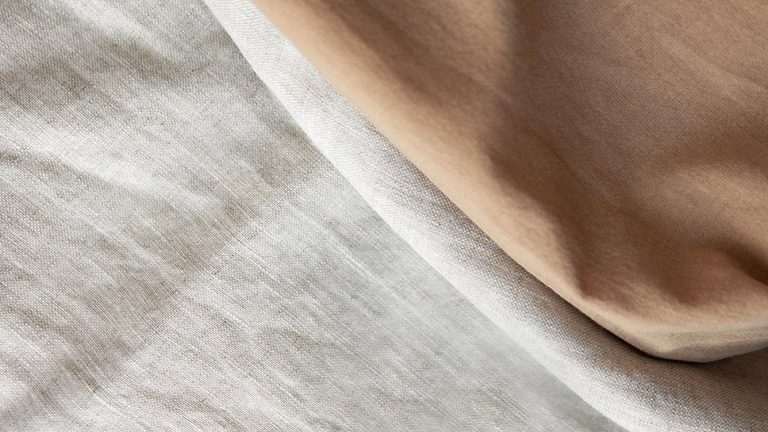
Linen sheets have been a bedroom staple for thousands of years, and their popularity is experiencing a resurgence. The benefits of linen sheets are numerous, from their ability to keep you cool and comfortable year-round to their durability and ease of maintenance.
Health Benefits
Linen is a natural, breathable fabric that is gentle on the skin and can help reduce exposure to toxins found in synthetic materials. Additionally, linen is allergy-friendly, making it a suitable choice for those with sensitivities.
Sustainability
Linen is derived from flax plants, which are typically grown using natural rainfall, reducing the strain on local water resources. Organic flax farming minimizes harmful health and environmental impacts, and flax even improves soil health and absorbs carbon dioxide.
Durability and Comfort
Linen is a durable and comfortable fabric that becomes softer with each wash. Its loose weave and texture provide a luxurious, lived-in look, and its longevity and resistance to pilling make it a cost-effective choice for bedding.
Cooling and Warming Properties
Linen sheets are renowned for their exceptional breathability and moisture-wicking properties, making them ideal for year-round use. They naturally regulate temperature, keeping you cool in the summer and warm in the winter.
Aesthetic Appeal
Linen sheets are elegant in an effortless, down-to-earth way, with a stone-washed finish for a lived-in look that’s trendy yet timeless. Opting for organic linen sheets in natural tones can avoid harsh dyes and chemical fabric treatments found in conventional bed linens.
Ease of Maintenance
Linen sheets are easy to maintain, as they can be machine washed and dried, making them convenient for everyday use. Unlike more delicate fabrics, linen is durable enough to withstand regular laundering without losing its quality or softness.
Ethical Production
Organic linen begins with sustainable farming practices that prioritize environmental stewardship and fair treatment of workers. When a product is GOTS certified organic, it means it meets strict environmental and social criteria throughout the entire textile supply chain.
Original reporting: KTVZ (Central Oregon) — read the source article.