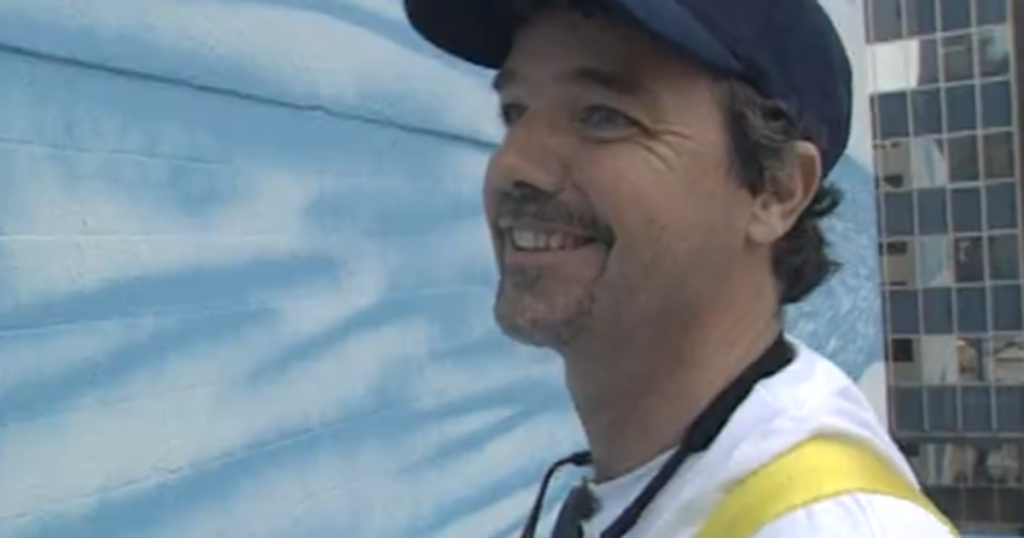
Wyland, the conservation artist behind the long-running Ocean Life mural in downtown Dallas, says neither the City of Dallas nor FIFA asked him or the Wyland Foundation before painting over his 82nd Whaling Wall ahead of World Cup 2026. FOX 4 reporter Peyton Yager brought the story to light, and the dispute has rippled through Dallas conversations about public art, ownership and the Visual Artists Rights Act. This article breaks down what Wyland says happened, how officials responded, and what might come next for the mural and the artist’s plans in the city.
Wyland told reporters he never received a request or permission notice before crews began covering Ocean Life, and he’s blunt about the consequences. “That’s a lie with a capital L,” he said when asked about claims that the city and FIFA had reached out. That line has become the focal point for a community upset about a piece that had stood in downtown Dallas for nearly three decades.
The mural was meant to do more than decorate a wall, Wyland explained: placing whales and ocean scenes in landlocked cities is deliberate, meant to make people think about how urban life affects ecosystems downstream. “At first, it just looks like a beautiful painting of whales,” Wyland said. “It’s more than that. It is really deep.”
Cities and art owners have a complicated relationship with works painted directly on buildings, and federal protections can matter here. The Visual Artists Rights Act shields artists’ moral rights for certain works, which is why Wyland believes he may have legal standing to challenge the mural’s removal. He asserts that even though he gifted Ocean Life to Dallas, the mural remained his intellectual property and that destruction can trigger legal remedies.
Wyland didn’t mince words about the stakes. “If they can get away with it, then all the public art in Dallas and all the public art in America is at risk,” he said, warning that precedent matters beyond a single wall. He also made clear that he plans to pursue the matter aggressively: “They picked the wrong artist,” Wyland continued. “I am going to go after them and go after them hard. I am going to ask the community of Dallas to stay with me. We are going to protect the other art in Dallas.”
Despite the anger, Wyland says he isn’t interested in personal profit if a settlement happens; he wants any financial award to benefit communities, conservation programs and school art initiatives. He estimated Ocean Life’s worth at about $15 million, though the exact figure any court might accept under VARA is uncertain. For him the value is moral and educational as much as monetary.
Officials have given differing accounts. The City of Dallas has said Wyland was asked, Slate Asset Management deferred to downtown management groups that coordinated the World Cup artwork, and FIFA issued a statement about unveiling a new piece to reflect the energy and unity of World Cup 2026. “We look forward to unveiling a new piece that captures the current historical moment and reflects the energy, unity, and global spirit surrounding the World Cup 2026 this summer.”
Wyland insists none of those requests or conversations ever reached him or the Wyland Foundation. That disconnect—between the artist’s account and the public statements from institutions involved—has fueled community frustration and a broader debate about how public art is treated when big events come to town. Residents who never saw Ocean Life being created are now confronting what that piece meant to conservation messaging and local culture.
Still, the artist says his feelings toward Dallas haven’t soured permanently; he wants to return and create new work. Wyland announced plans for a new 100 Series of large sculptures featuring animals on the IUCN Red List of Threatened Species, which he said would be chosen with geography in mind and could include future pieces in Dallas. For now, the fight over Ocean Life stands as a test case about artists’ rights, municipal decisions and what communities expect of public art.