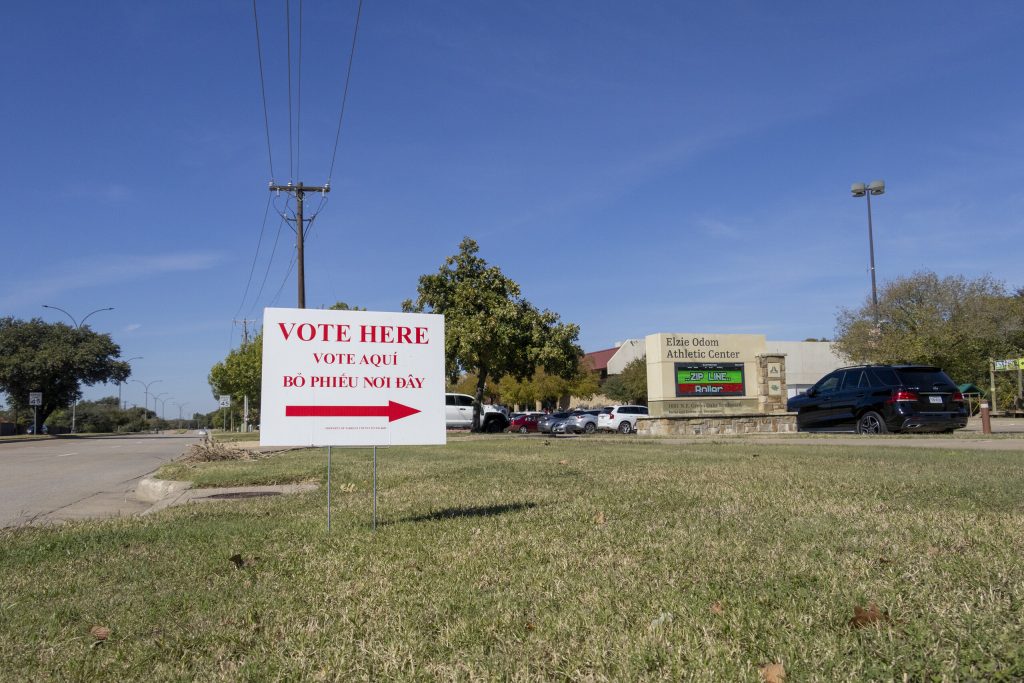
Arlington voters will see several key local races on their ballots this cycle, including the mayoral contest, City Council Districts 3, 4, 5 and 8, and Places 6 and 7 on the Arlington ISD school board. Local news outlets sent a short survey asking candidates to list the biggest challenges facing the city and how they would tackle them; answers have been edited for clarity.
One recurring concern among candidates is the city’s fiscal outlook. Officials project a roughly $25 million shortfall for Fiscal Year 2026, driven by slower sales tax growth, property tax valuation protests and the impacts of the senior tax freeze. To help close the gap, recent council action included a three-cent property tax rate increase and notable hikes to water, sewer and garbage fees—moves that have prompted debate about fiscal discipline, spending priorities and whether to pursue further tax or fee increases.
Housing and development are another dominant theme. Many candidates point to limited remaining land for new construction, rising housing costs, aging apartment complexes and underused shopping centers. Proposed responses range from demanding higher-quality redevelopment in remaining buildable areas to updating inspection processes for aging rental properties, and creating incentives to attract younger professionals while protecting existing residents from displacement and unexpected appraisal shocks.
Infrastructure and public safety also appear on multiple lists. Several respondents argued for a more forward-looking approach to infrastructure investment—moving away from short-term fixes toward sustainable, long-term planning that “future-proofs” roads, utilities and drainage. On public safety, candidates emphasized continued support for police and fire departments through better recruitment, retention, equipment and training, along with neighborhood-level crime-prevention efforts and improved street lighting and crossings.
Turning to schools, candidates identified two big issues: declining enrollment and student behavior. Declining enrollment mirrors national trends—lower birth rates and fewer new families moving into the district—while some respondents said classroom discipline and respect remain barriers to learning. Suggested remedies included efforts to make the district more attractive to families, stronger behavioral supports and clearer disciplinary consequences, and advocating for more robust support for public education at the state level.
Across the responses, common solutions include tightening fiscal management at City Hall, prioritizing redevelopment in high-value locations, investing in sustainable infrastructure, bolstering public safety staffing and resources, and taking targeted steps to stabilize and strengthen the school district. Voters deciding this fall will be weighing which candidates’ plans best address these interlocking challenges as Arlington continues to grow and change.