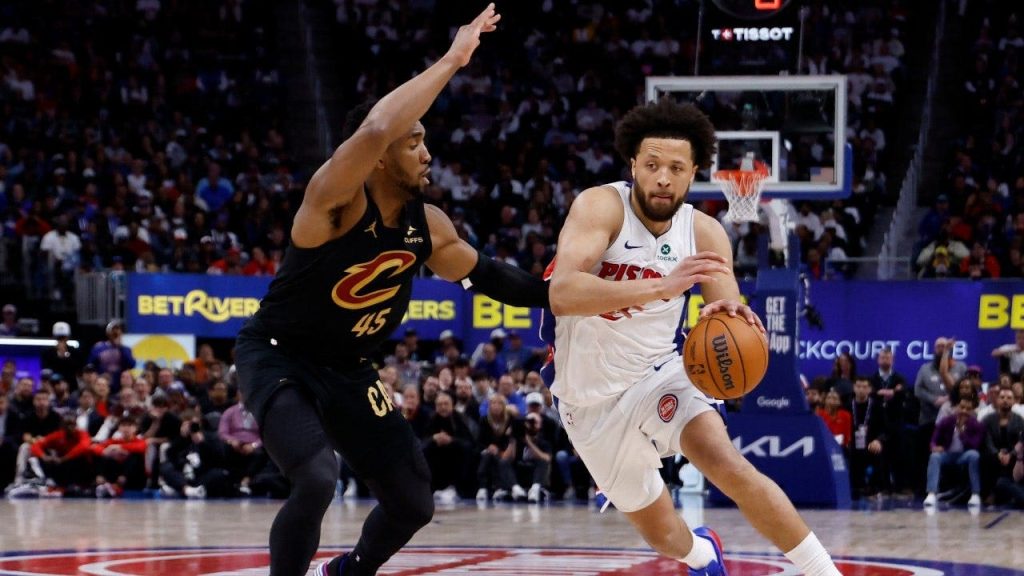
The Cleveland Cavaliers and Detroit Pistons clashed in a game that stretched into overtime, and the NBA backed the officials’ late decision — a ruling that sparked debate after Jarrett Allen tangled with Ausar Thompson in the final second. League statements, a sharp replay angle, and comments from analyst Tim Legler and crew chief Tony Brothers all landed on different sides of the same moment as the teams prepare to meet again in Cleveland for Game 6.
The league’s Last Two Minutes Report sided with the on-court crew, writing, “[Jarrett] Allen and [Ausar] Thompson legally step to the same spot while pursuing the loose ball [before either player has possession], and both lose their balance from the marginal contact.” That conclusion is at the heart of why officials declined to whistle a foul with the clock winding down in regulation. Cleveland went on to win in overtime, but the exchange left Detroit feeling robbed of a last-shot opportunity.
Watch the replay and the picture looks different to many eyes. As the clip shows, Allen appears to trip Thompson, which by the book would be a foul and would have sent Thompson to the line with the game tied 103-103 and less than a second left on the clock. Those moments matter, and they tilt the math for teams desperate to flip a series.
“That’s a trip right there,” said game analyst Tim Legler on the replay. His take echoed what fans and many Pistons players were saying in the arena: that a clear contact disadvantaged Detroit at a crucial moment. Even a 60 percent free-throw shooter can become a series-level difference-maker when the timing is that tight.
Numbers add sting to the argument. Detroit attempted just 12 free throws in the game, while Cleveland guard Donovan Mitchell alone went to the line 15 times. The imbalance of free-throw opportunities felt glaring to Pistons personnel, who saw the stat sheet as evidence that the officials’ decisions affected the flow and outcome long before the final second.
Crew chief Tony Brothers defended the non-call in blunt terms. “During live play, both players were going for the ball, and there was incidental contact with the legs with no player having possession of the ball,” he said, later adding, “There was incidental contact on the play. The play will be reviewed by the league office tomorrow, and it will be posted in the L2M.” Those lines are familiar: they emphasize marginal contact and the chaos of a loose-ball scramble.
The league’s write-up and Brothers’ explanation aim to protect officiating crews from second-guessing by framing the play as mutual loss of balance, but the replay narrative undermines that protection for many observers. The Pistons and their supporters feel justice was not served, and the optics of the clip — Allen reaching under Thompson’s legs — are hard to reconcile with the term incidental.
Detroit heads into Friday’s Game 6 with plenty to gripe about and something concrete to demand: cleaner calls on closing plays and a leveler on free-throw access. Cleveland, meanwhile, will try to avoid getting sucked into talking points about officiating and instead lean on the result, though the debate will follow both teams wherever the series goes next.
There was also a bit of theatre off the court, as media and fans replayed the moment on social and during shows, amplifying the moment beyond the arena and into broader conversations about consistency in officiating. Whether the league’s review changes anything in the official record or only offers an explanation, the sequence will be dissected by coaches and players preparing for the next tense finish.
Fans in Cleveland and Detroit will tune in with fresh nerves on Friday when the Cavs host the Pistons on Friday for Game 6. Detroit will be looking for a bit of payback in the form of officiating calls, while Cleveland will hope the outcome stays on the floor and not in the highlight reels that keep this play alive.