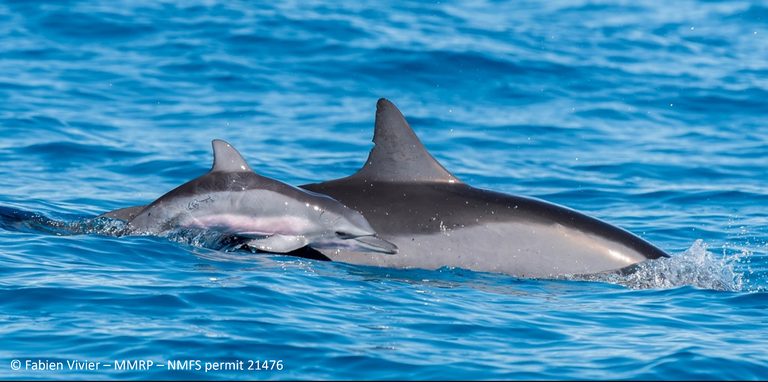
A recent study suggests that tourism and human activity off Hawaii Island may be affecting the reproduction of spinner dolphins, leading to unexpectedly low calf numbers. The study, led by the University of Hawaii’s Marine Mammal Research Program, found that only about 9% of the dolphins in the study group were calves, compared with an expected rate closer to 17%.
Impact of Human Activity
The findings are raising concerns about the long-term survival of this isolated population. Spinner dolphins are known for leaping and spinning out of the water and are a popular attraction for tourists. However, the study found that the dolphins experience the highest levels of disturbance exposure recorded for dolphins worldwide.
The study’s lead author, Fabien Vivier, said that the evidence suggests chronic human disturbance, especially tourism and recreational-related interactions during critical dolphin resting periods, as a likely contributing factor affecting reproductive success and calf survival. The researchers used drones and photography to measure the body length of the dolphins and combined that data with age-length data from stranded spinner dolphins.
The study’s authors are calling for stronger protections for the sea creatures, including time-area closures for human activities and continued long-term monitoring. A federal rule requires boats and people to stay 50 yards away from the dolphins, but the study’s authors said that distance may not be enough to reduce stress.
Original reporting: WESH Orlando — read the source article.