Pennsylvania residents, activists and local leaders came together Wednesday night in a virtual Town Hall to push back against a rapid expansion of data centers across the commonwealth. Citizens from rural counties and suburbs spoke about lost farmland, strained power lines and what they see as the result of Gov. Josh Shapiro’s enthusiastic backing for projects that hand big tech generous incentives. Two informal citizens’ coalitions organized the session, and their concerns ranged from environmental damage to opaque deals that favor out-of-state corporations over local taxpayers. This piece walks through the arguments raised, the stakes for communities, and the policy fixes people are demanding now.
The mood at the Town Hall was tense and frustrated, not academic. Speakers described the data center wave as “an onslaught,” a rush of proposals that local planning boards and residents struggle to process in time. Many blamed the state’s posture, saying policies steered by Gov. Josh Shapiro have smoothed the path for developers while leaving ordinary Pennsylvanians to live with the consequences. That combination of speed and scale, people argued, has left communities feeling bulldozed into surrender.
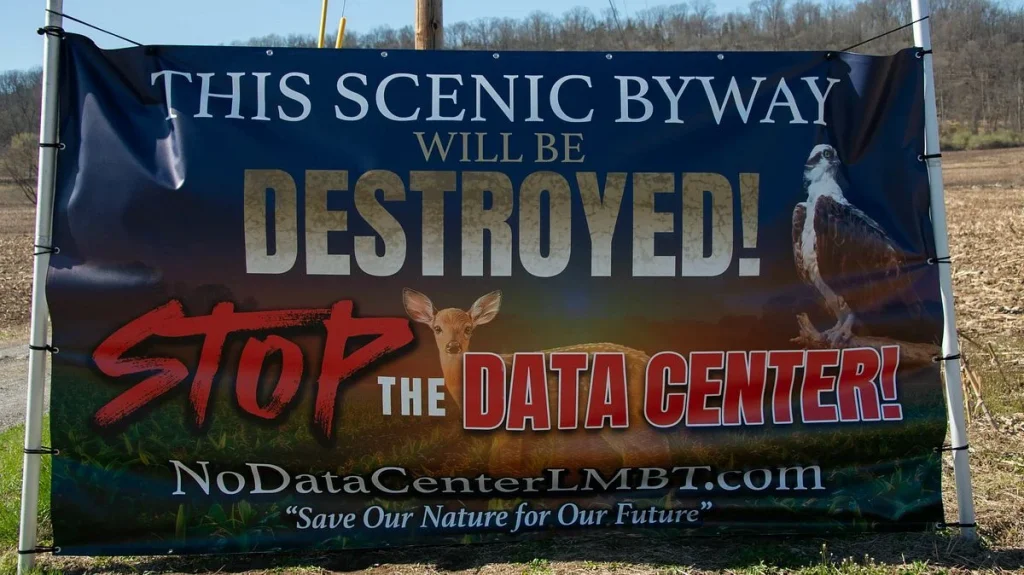
At the heart of the opposition is land use. Pennsylvania’s countryside—rich in family farms and small towns—has become attractive to data giants because land is cheaper and power corridors are available. Residents pointed out how acres of productive farmland and woodlands are rezoned or cleared for server farms that hum 24/7. The result, critics say, is a change in the fabric of rural life that no one voted for and little public debate ever authorized.
Power demand was another clear red flag at the virtual meeting. Data centers are voracious energy consumers, and many communities already worry about an aging grid. When a cluster of facilities shows up in a county, upgrades follow—and taxpayers often pick up a big chunk of that tab through higher rates or municipal bonds. Opponents argued that any plan to expand data center capacity should come with a real accounting of grid upgrades and clear guarantees that local families won’t shoulder the costs.
Economic promises and tax breaks were challenged hard. Companies pitch big sums of investment and a handful of jobs, but residents said the math rarely adds up in their favor. Tax incentives and PILOTs—payments in lieu of taxes—can strip towns of long-term revenue while leaving them with increased service needs. That dynamic, critics warned, looks a lot like corporate welfare: short-term prestige for municipal leaders followed by long-term fiscal headaches for residents.
Environmental concerns kept surfacing in practical, not theoretical, terms. People at the Town Hall described threats to water supplies, runoff from cleared land, and heat-island effects around huge facilities. The lack of transparent environmental reviews was especially galling; many felt projects moved forward with limited public notice and too much closed-door negotiating. That spawned calls for stronger state oversight and stricter environmental impact assessments before any approvals are granted.
Local control was a recurring theme and a political rallying point. Citizens said they felt shut out by zoning waivers and expedited approvals that cut short public hearings. The sense that decisions are being driven by state-level deals or by lobby-heavy processes undercut trust in local government. For those who value hometown authority, restoring true local say over zoning, siting and conditional use permits is nonnegotiable.
The Town Hall also highlighted a transparency problem. Developers and utilities often negotiate complex contracts with municipalities and state agencies, and those deals can include confidentiality clauses. That makes it hard for neighbors to see the full picture, compare proposals, or even estimate the true long-term costs. People asked for open contracting, independent fiscal impact studies and a simple rule: if the deal impacts public infrastructure, the contract must be public.
Policy fixes discussed were practical and pointed. Attendees pushed for mandatory environmental and fiscal impact studies, reform of incentive packages, and local veto power for siting decisions that threaten farmland or water resources. Many urged the state to stop fast-tracking approvals and to require companies to pay meaningful impact fees that reflect actual costs to communities. The tone was firm: Pennsylvanians want growth that respects local values, not profit-first projects that leave towns worse off.