There is a narrow, red-brick townhouse on Constitution Avenue, just a short walk from the Capitol dome, that has been quietly shaping the course of American history for well over a century. The Belmont-Paul Women’s Equality National Monument — known until recently as the Sewall-Belmont House — is one of the oldest private residences in Washington D.C., and it might just be the most underappreciated landmark in the entire city. If you have never walked through its front door, consider this your personal invitation to change that.
Tucked into Capitol Hill at 144 Constitution Avenue NE, this elegant Federal-style building dates back to around 1800, making it one of the few surviving structures in the neighborhood that predates the War of 1812. But it is not just the architecture that earns it a place on every thoughtful traveler’s itinerary. For most of the twentieth century, this house served as the headquarters of the National Woman’s Party, founded by the fierce and visionary suffragist Alice Paul. She lived and worked here for decades, drafting legislation, hosting activists, and refusing — with remarkable consistency — to take no for an answer.
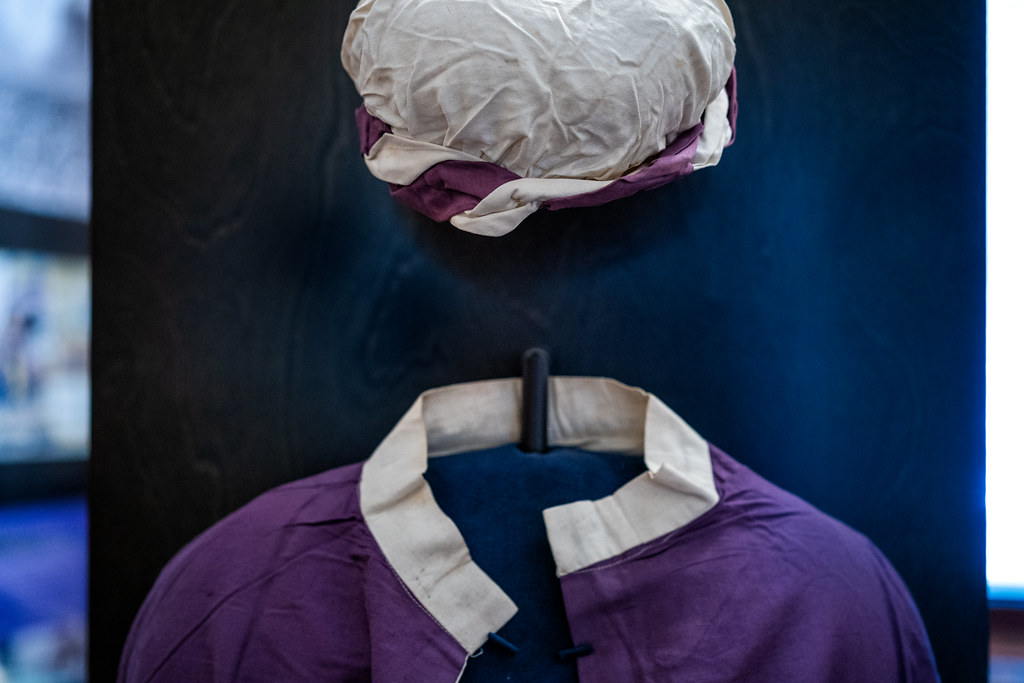
Walking through the rooms feels less like a museum visit and more like stepping into a living archive. The parlors are filled with portraits, banners, and artifacts from the suffrage and equal rights movements: picket signs carried outside the White House, the desk where Alice Paul worked on draft after draft of the Equal Rights Amendment, and photographs of women who faced arrest and force-feeding simply for demanding the right to vote. The National Park Service now maintains the site, and their rangers are genuinely passionate about the stories housed within these walls. Do not be shy about asking questions — the conversations you will have here are the kind that stay with you.
The monument is free to visit, which makes it an especially easy addition to any Capitol Hill afternoon. Plan to spend at least an hour, and consider arriving early on a weekday when the crowds are thin and the light through the front windows is particularly lovely. The neighborhood itself rewards a slow stroll afterward — the Library of Congress and Supreme Court are just steps away, and the surrounding streets are lined with nineteenth-century rowhouses that give Capitol Hill its distinctive, unhurried character.
What makes the Belmont-Paul Monument so special is its refusal to feel dusty or distant. The work that happened inside these walls — the debates, the campaigns, the stubborn hope — is ongoing. Visiting here is a reminder that history is not something that simply occurred; it is something people chose to make, room by room, step by step. Come for the history, stay for the inspiration, and leave with a much sharper sense of just how hard-won the freedoms we take for granted actually are.